
Disciseda bovista
Disciseda bovista
Description
Symptoms
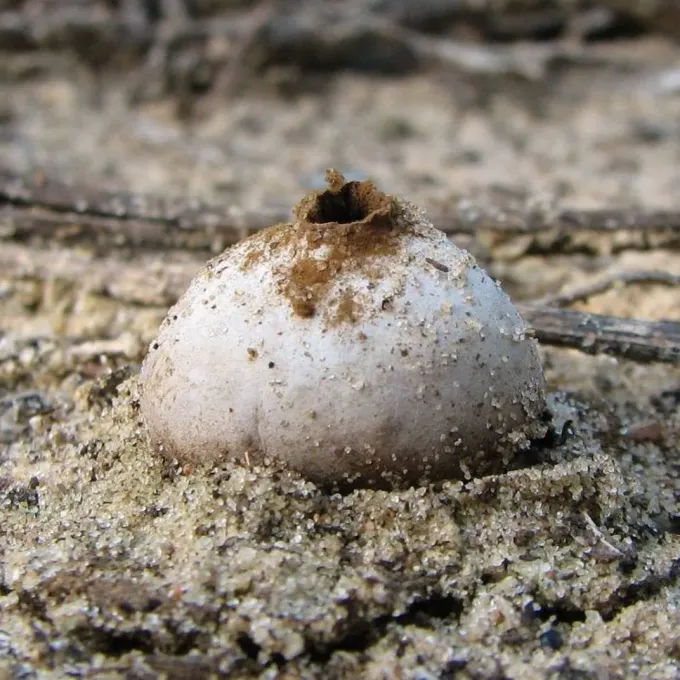
The most recognizable sign is the emergence of small, flattened-globose fruiting bodies on the surface of the soil during moist conditions.
As the fruiting body matures, the outer covering (exoperidium) splits, revealing a dark mass of spores that can leave visible patches on the ground.
Plants in the vicinity of Disciseda bovista colonies may show symptoms of nutrient stress, such as yellowing leaves or stunted overall growth.
In infested areas, the soil texture often appears more compact, and the fungal mats can hinder proper water infiltration in the topsoil layer.
During humid weather, a subtle mushroom-like odor may be present near the affected patches, especially after mechanical disturbance of the soil surface.
Pathogen
Disciseda bovista is a species of gasteroid fungus belonging to the Agaricaceae family, primarily functioning as a soil-dwelling organism.
While often classified as a saprotroph that decomposes organic matter, its presence in agricultural fields can be indicative of specific soil conditions affecting crop productivity.
The fungus develops an extensive mycelial network within the upper soil horizons, where it interacts with the rhizosphere of surrounding plants.
Its life cycle includes the production of small, subterranean fruiting bodies that emerge or break the soil surface to release spores for dispersal.
This pathogen is highly resilient to environmental stress, allowing it to survive for extended periods within the soil structure as a dormant mycelium.
Conditions for development
The fungus thrives in soils rich in organic matter, preferring fields that have not been deeply cultivated for long periods.
Moderate temperatures and high soil moisture are critical factors that trigger the development of fruiting bodies and spore germination.
The accumulation of uncomposed plant residues provides the necessary nutrient base for the colonization of this fungus in field soils.
Increased soil compaction and lack of oxygen in the root zone can also facilitate the establishment of Disciseda bovista colonies.
Fields with inadequate crop rotation or long-term monoculture often exhibit a higher prevalence of this specific fungal species.
Why it matters
The primary harm caused by Disciseda bovista involves the depletion of available soil nutrients, creating competition with crop root systems.
Metabolic secretions from the fungal mycelium can potentially inhibit the growth of root hairs, thereby reducing a plant's ability to uptake water and minerals.
The presence of mass spores on the soil surface can complicate agricultural practices, as they may interfere with the efficiency of surface-applied pesticides.
Long-term colonization decreases the overall biological diversity and health of the soil, which in turn reduces the potential yield of crops.
In severe cases, the spread of the fungus can lead to uneven crop development, creating localized zones of reduced growth across the field.
Protection
Deep tillage and plowing are the most effective methods to disrupt the lifecycle and destroy the fruiting bodies before they release spores.
Implementing a rigorous crop rotation plan helps to change the soil environment, making it less favorable for the fungus to persist.
The application of approved soil-applied fungicides can provide a temporary reduction in fungal activity in fields with high infestation levels.
Optimizing soil pH and ensuring the proper decomposition of organic fertilizers can help create an environment unfavorable for the pathogen.
- Regular soil aeration through mechanical cultivation.
- Use of beneficial microbial inoculants like Trichoderma to promote healthy soil flora.
- Monitoring moisture levels to prevent waterlogged conditions that favor fungal growth.
Discussion
No discussions yet — be the first.