
Disciotis
Disciotis
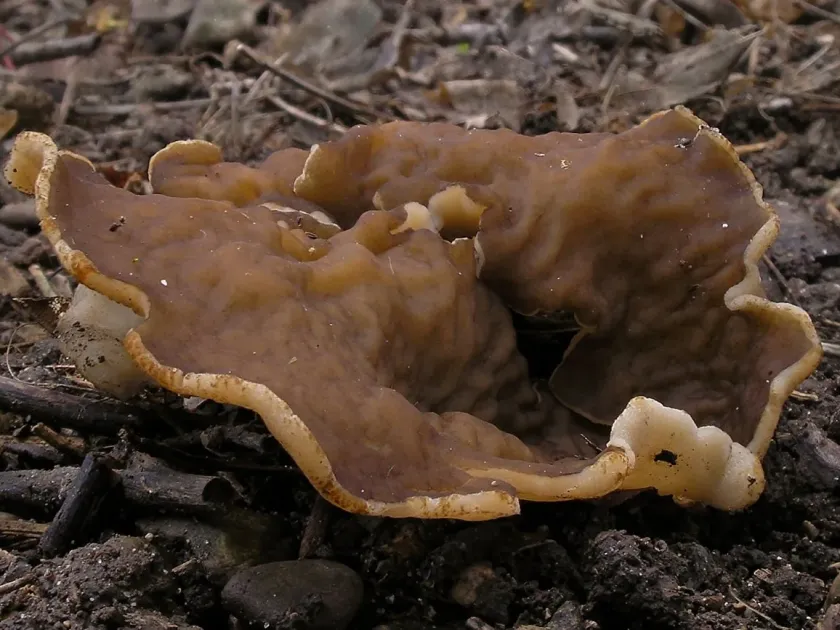
Description
Symptoms
The fruiting bodies of Disciotis are typically disc-shaped or cup-shaped, often exhibiting a wrinkled, veined, or folded internal surface.
Their colors range from shades of yellowish-brown to dark chocolate brown, allowing them to blend into the forest floor environment.
They can grow quite large, sometimes reaching up to 15 centimeters in diameter, making them noticeable in wooded areas.
The texture of the fruit body is brittle, and when handled or crushed, it may release a distinctive chlorine-like scent.
They generally lack a well-developed stem, appearing almost sessile or pressed closely against the soil surface.
Pathogen
Disciotis (Latin: Disciotis) is a genus of fungi belonging to the order Pezizales and the family Morchellaceae. It is not a plant disease or a pathogen.
These organisms are saprotrophs, meaning they feed on decaying organic matter such as leaf litter and woody debris found in forest ecosystems.
The most well-known species is Disciotis venosa, often identified by its specific morphology during the spring season.
From an agronomic perspective, Disciotis is completely harmless to agricultural crops, as it does not parasitize living plant tissues.
It performs an essential role in the soil food web by contributing to the decomposition process and the recycling of forest nutrients.
Conditions for development
The growth of Disciotis depends heavily on high soil moisture levels and an abundance of organic matter during the spring months.
Ideal conditions include moderate temperatures typical of mid-spring, coinciding with the growth period of other spring-fruiting ascomycetes.
They thrive in shaded woodland habitats, particularly under broadleaf trees like oak, beech, and elm, where the soil remains cool and damp.
The fungus prefers neutral to slightly alkaline soils that are rich in humus and well-aerated with organic content.
Extended periods of drought during the spring will effectively inhibit the development of the fungal fruiting bodies.
Why it matters
This fungus is not harmful to plants and does not cause any diseases in commercial or garden crops.
Confusion often arises when gardeners mistake saprotrophic fungi for root-infecting pathogens, leading to unnecessary concern.
Disciotis does not possess the enzymes required to degrade living plant structures, confirming its status as a beneficial forest decomposer.
The presence of this fungus is an indicator of fertile, healthy soil rather than a sign of agricultural instability or crop stress.
There is no economic damage associated with Disciotis, and it does not affect crop yield or plant vigor in any way.
Protection
Since Disciotis is not a disease, no chemical, biological, or cultural control measures are required or recommended.
Farmers and gardeners should focus their efforts on managing true pathogens rather than attempting to eradicate beneficial soil fungi.
If their presence is undesirable in a specific location, simple manual removal of the fruiting bodies is sufficient.
- Maintain proper field and orchard hygiene.
- Ensure adequate drainage to prevent water stagnation.
- Avoid unnecessary fungicide applications that harm beneficial soil life.
Practicing balanced agronomy helps to maintain the diversity of soil microorganisms without causing imbalances in the field ecosystem.
Discussion
No discussions yet — be the first.