
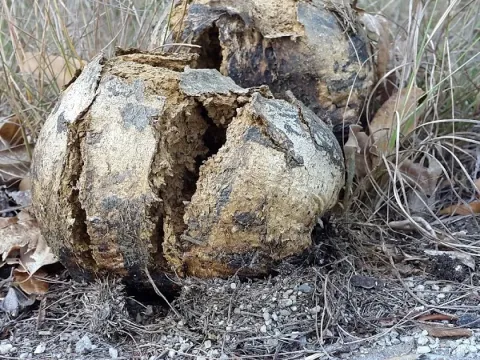
Diplocystis wrightii
Diplocystis wrightii
The causative agent of this disease is the fungus Diplocystis wrightii, which belongs to the Ascomycota phylum. It functions as a parasitic organism that colonizes the tissues of its host plants.
What the section contains
Diplocystis wrightii
The fungus develops specialized fruiting bodies that emerge from the bark or wood of infected trees, facilitating the dissemination of spores into the surrounding environment.
Biological activity of the fungus is characterized by the penetration of the mycelium into the internal vascular tissues, disrupting the transport of essential water and nutrients.
Diplocystis wrightii exhibits a life cycle adapted to the persistence in tropical and temperate woody hosts, utilizing various environmental vectors for transmission.
Genetic analysis suggests that this pathogen is highly efficient at invading host tissues once the physical barriers like bark are compromised by external factors.
Symptoms typically manifest as localized swelling or irregular ruptures on the bark, indicating active colonization by the fungal mycelium beneath the surface.
The presence of fruiting bodies, appearing as small dark eruptions or nodules on the stems and branches, is a definitive clinical sign of the fungal infection.
Affected trees often show signs of chlorosis and leaf drop, resulting from the vascular disruption caused by the pathogen's interference with normal tree physiology.
Interior decay of the wood can be observed in sections cut from infected areas, often revealing a darkened, necrotic transition zone within the stem tissue.
- Bark cracking and unusual swelling on stems.
- Development of visible dark fruiting bodies.
- Premature yellowing and shedding of leaves.
- Dieback of terminal shoots and large branches.
High humidity and moisture are the primary environmental drivers for the development and spread of Diplocystis wrightii within a tree population.
Optimal development occurs in environments where air circulation is poor, such as dense plantations or areas with thick, unpruned canopies that trap moisture.
Plants that are already under stress due to drought, physical wounding, or previous pest attacks show a significantly higher susceptibility to successful fungal colonization.
Temperature fluctuations that favor fungal growth periods play a crucial role in the timing of the infection cycles within a growing season.
Prolonged presence of free water on bark surfaces provides the necessary conditions for spores to germinate and penetrate the host tissue effectively.
The primary damage caused by Diplocystis wrightii is the gradual debilitation of the host plant, which reduces growth vigor and overall reproductive capacity.
Severe infestations can lead to the death of major structural branches, significantly diminishing the tree's health and increasing the risk of structural failure.
Loss of vascular function limits the tree's ability to recover from environmental stress, making it more vulnerable to secondary infections by other opportunistic pathogens.
In commercial forestry and nursery settings, the disease causes significant economic loss by rendering the wood unusable and necessitating the destruction of infected stocks.
Continuous infection cycles can reduce the longevity of plantation trees, leading to shorter economic rotations and increased expenditure on management and replacement.
Sanitation is the cornerstone of control: all infected branches and dead wood should be promptly pruned and destroyed through burning to reduce inoculum levels.
Maintaining proper tree density and regular pruning is essential to improve airflow, which keeps bark surfaces drier and creates an unfavorable environment for fungal spores.
Preventative applications of copper-based fungicides during dormancy can act as a chemical barrier to prevent the spores from colonizing bark wounds or cracks.
Ensuring balanced tree nutrition and appropriate irrigation helps maintain host defenses, making trees more resilient against potential fungal establishment.
Ongoing monitoring and rapid identification of the first symptoms allow for early intervention, which is much more effective than trying to manage a fully established infection.