
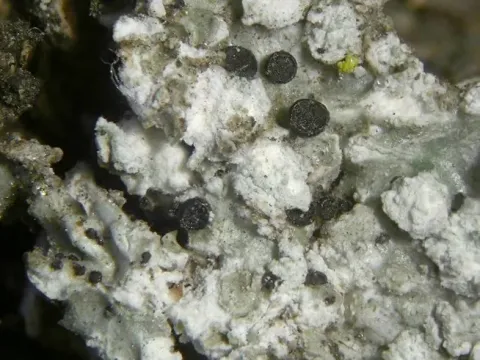
Dactylospora floerkei
Dactylospora floerkei
The external manifestations of infection by this fungus are characterized by the development of specific apothecia, which are the fruiting bodies of the pathogen. These structures typically appear as small, subtle spots on decaying or weakened plant tissues.
What the section contains
Dactylospora floerkei
In the initial stages of infection, visible changes to the plant may be negligible, making early diagnosis challenging. As the pathogen matures, the fruiting bodies become more prominent, often changing their color and texture depending on the developmental phase.
Affected plant tissues may undergo pigment changes, which are associated with the metabolic activity of the fungal mycelium. Over time, localized necrosis may occur, leading to the loss of tissue integrity in areas colonized by the fungus.
The spread of the pathogen often involves the disruption of the epidermis, leading to small ruptures. These openings facilitate the release of spores into the surrounding environment, which are then disseminated by wind or rain splashes.
Under magnification, the characteristic morphology of the fungal fruiting bodies becomes visible. This feature serves as a crucial diagnostic tool for distinguishing this fungus from other common saprotrophic or pathogenic organisms found on crops.
The causative agent is the ascomycete fungus Dactylospora floerkei. This organism primarily acts as a parasite or weak pathogen, frequently colonizing tissues that have been weakened by environmental stress or other primary infections.
The biological lifecycle includes a vegetative stage, where the mycelium colonizes the substrate, and a reproductive stage, where it forms spores to ensure propagation. The mycelium utilizes enzymatic processes to break down host compounds for nutrients.
This fungus exhibits high adaptive capacity, allowing it to survive in various ecological niches. Its ability to persist in plant debris ensures that the pathogen remains present in the field throughout the growing season.
Genetic plasticity enables the pathogen to withstand varying temperature ranges, which increases its long-term survival prospects. The fungus effectively waits for favorable environmental cues to resume active growth and spread.
In the context of agriculture, the interaction between the host plant and the fungus can range from commensal to parasitic, depending heavily on the physiological vigor of the host plant and the prevailing microclimate.
High relative humidity is the most critical environmental factor for the active development of this fungus. Prolonged periods of rainfall or dense fog create an ideal microclimate for spore germination and mycelial colonization.
Moderate temperatures combined with moisture significantly accelerate the metabolic rate of the fungus, leading to rapid expansion of the infection within the plant canopy. Stable moist conditions are essential for epidemic outbreaks.
Poor aeration in dense plant stands promotes moisture retention on the surface of leaves and stems. Stagnant air prevents foliage from drying out, creating perfect conditions for the establishment of fungal colonies.
Pre-existing mechanical wounds or surface damage provide easy entry points for the fungal hyphae. Plants with compromised protective surfaces, such as a thin wax layer, are at a higher risk of succumbing to infection.
Nighttime dew accumulation provides the sustained moisture required for the pathogen's longevity. Even in periods of low daytime humidity, consistent nocturnal moisture can be sufficient to maintain active fungal development.
The harm caused by this fungus is primarily due to the exhaustion of the plant's metabolic resources. By consuming nutrients intended for growth and development, the fungus weakens the host plant's overall vitality.
Heavy infections can lead to premature leaf senescence and impaired photosynthetic capacity. This loss of green surface area negatively impacts the yield and quality of the final agricultural product.
The pathogen can serve as a primary or secondary invader, complicating existing disease complexes. Damage to the epidermis facilitates the entry of other, more aggressive pathogens, resulting in accelerated tissue decline.
The reduction in plant vigor makes the crop less resilient to abiotic stress factors, such as drought or heat. This leads to a cumulative negative effect on the crop's ability to reach its full productive potential.
Economic damage arises from both direct yield losses and the increased costs associated with applying control measures to halt the spread of the fungus in intensive production environments.
Effective management begins with sound agrotechnical practices, such as proper spacing and field sanitation. Ensuring good ventilation reduces the likelihood of favorable humidity levels developing within the canopy.
Preventive application of fungicides can successfully inhibit the establishment of the fungus. It is recommended to use products with different modes of action to prevent the development of fungal resistance over time.
Maintaining optimal plant health through balanced nutrition, particularly with sufficient potassium, can strengthen cell walls and make plants less susceptible to fungal penetration and colonization.
Field sanitation is a vital component of control; removing or deep-plowing crop residues reduces the primary inoculum source for the next season. This minimizes the risk of early-season infection.
Regular monitoring of fields allows for the detection of early infection foci. Prompt intervention, including the removal of localized patches or targeted spraying, is essential to keep the disease from spreading throughout the entire crop.