
Dactylosporaceae
Dactylosporaceae
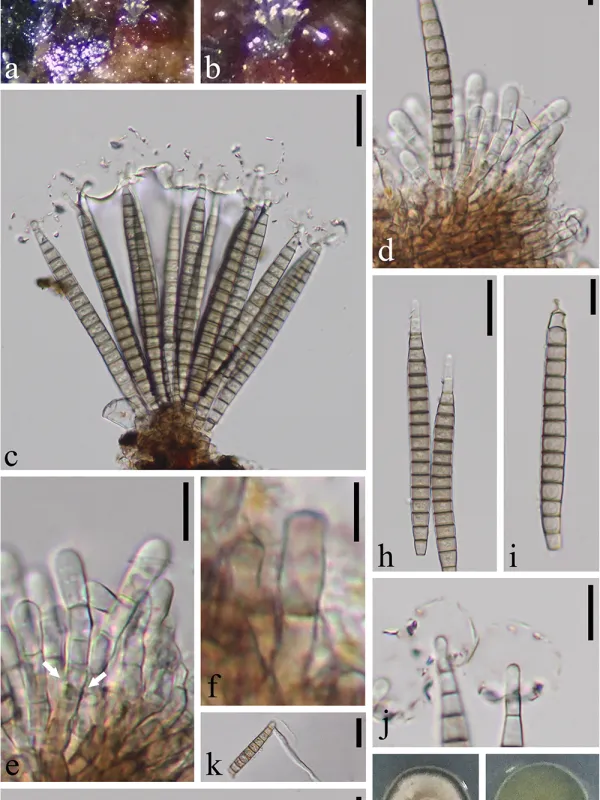
Description
Symptoms
Infection often manifests as localized lesions or discoloration on the bark, accompanied by the appearance of minute, dark, disk-like fruiting bodies.
The bark may show signs of splitting or necrosis as the fungal growth compromises the tissue integrity of the host plant.
Leaves on affected branches may wilt or prematurely drop, signaling a systemic disruption in nutrient transport within the plant.
A fine, web-like fungal coating may be visible on the surface of the bark during periods of high humidity or early spring mornings.
Over time, the affected area may become sunken, indicating deeper tissue degradation caused by the fungal colonization.
Pathogen
The Dactylosporaceae family belongs to the order Lecanorales within the class Lecanoromycetes. While many species are known as lichen-forming fungi, some exhibit pathogenic tendencies on wood and plant tissues.
These fungi reproduce through ascospores contained within apothecia, which serve as the primary source of infection in agricultural and forest ecosystems.
The mycelium colonizes the host's bark and phloem, drawing nutrients and causing structural damage to the outer layers of stems and branches.
Biological resilience allows these pathogens to persist on woody debris for extended periods, making them difficult to eradicate once established.
Their adaptation to various climatic zones ensures their presence in diverse environments, where they act as opportunistic invaders of weakened vegetation.
Conditions for development
High relative humidity is the primary catalyst for the development and dissemination of Dactylosporaceae spores in agricultural settings.
Mild temperatures facilitate the optimal growth rate of the mycelium, allowing the pathogen to colonize new areas of the plant host quickly.
Overcrowded plantations with poor airflow create a stagnant microclimate that is conducive to fungal outbreaks and sustained infection.
External mechanical injuries, such as pruning wounds or frost cracks, provide direct access for spores to penetrate the deeper layers of the bark.
Lack of sanitation, specifically leaving prunings or diseased branches on the ground, increases the local spore load significantly.
Why it matters
The impact of this disease includes significant stress on the host plant, leading to reduced vigor and impaired physiological functions.
Loss of productive branches directly affects fruit yield and the overall longevity of trees within an orchard or garden.
Compromised bark integrity invites secondary infestations from boring insects, further accelerating the decline of the plant.
Persistent infections reduce the plant's winter hardiness, leading to higher rates of winterkill during extreme weather events.
In the long run, widespread infection necessitates the removal of affected trees, causing significant economic losses for growers.
Protection
Strict sanitation measures, including the systematic removal and burning of infected material, are essential to break the pathogen's life cycle.
Sealing all major pruning wounds with protective fungicides or non-toxic grafting wax prevents spores from entering vulnerable areas.
Application of copper-based sprays during the dormant season acts as a preventive measure to reduce the total population of resting spores.
Maintaining balanced fertilization and appropriate irrigation schedules enhances the natural resilience of crops against fungal pathogens.
- Annual inspection of tree trunks and branches.
- Disinfecting pruning tools between trees.
- Improving airflow within the canopy through thinning.
Discussion
No discussions yet — be the first.