
Daedaleopsis
Daedaleopsis
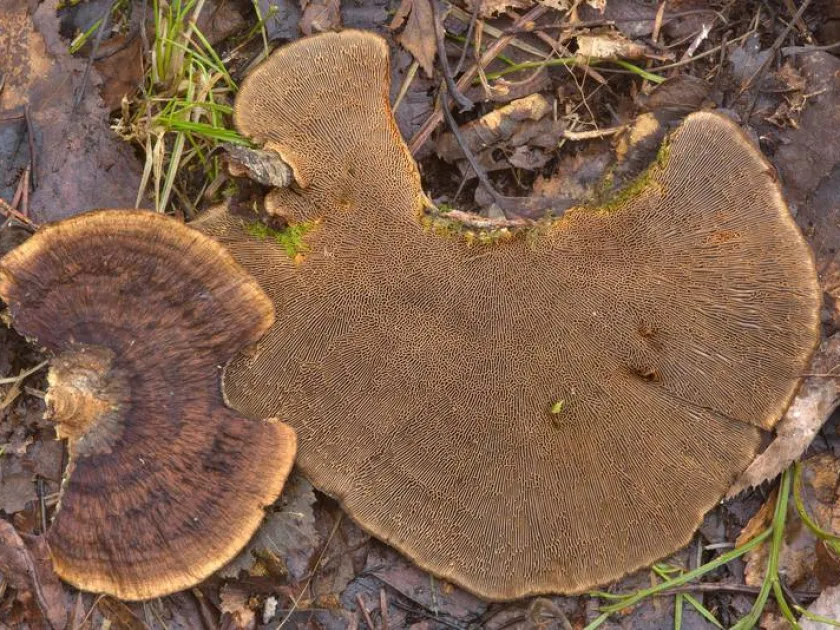
Description
Symptoms
The most visible symptom is the presence of shelf-like fruiting bodies (conks) attached to the trunks or larger branches of trees.
These brackets often have a woody or corky texture, with a furrowed surface that ranges from light brown to reddish or greyish tones.
Internally, the wood undergoes a white rot process, where the tissue loses its density and appears bleached, stringy, or soft to the touch.
Dark, distinct zone lines may appear within the decaying wood, serving as boundaries between different colonies of the fungus or defensive reactions from the tree.
Foliage symptoms include chlorosis, sparse canopy growth, and dieback of branches, eventually leading to a complete decline in tree health.
Pathogen
Daedaleopsis is a genus of wood-decay fungi within the family Polyporaceae. The most recognized species in this group is Daedaleopsis confragosa, commonly known as the blushing bracket.
These fungi typically function as saprotrophs, consuming dead wood, but they can act as opportunistic pathogens that target stressed or injured trees.
The fungus colonizes wood tissue by secreting enzymes, such as laccases and peroxidases, which break down the complex structure of wood, including lignin.
The life cycle involves the production of spores, which are released from the underside of the bracket-shaped fruiting bodies and dispersed by air currents.
The mycelium grows deep within the xylem, slowly expanding its territory and undermining the structural integrity of the host plant.
Conditions for development
Daedaleopsis thrives in environments characterized by high humidity and moderate temperatures, typically ranging from 15°C to 25°C.
The primary infection pathway involves wounds caused by pruning, storms, frost cracks, or mechanical damage that exposes heartwood.
Trees undergoing physiological stress due to drought, poor soil quality, or existing pest infestations are significantly more vulnerable to colonization.
Poorly managed woodlands or orchards with excessive deadwood provide a continuous supply of spores, maintaining high infection pressure.
Dense canopies that trap moisture and reduce airflow create an ideal microclimate for the fungus to establish its fruiting bodies.
Why it matters
The primary impact of Daedaleopsis is the internal degradation of woody tissue, which severely compromises the mechanical stability of the tree.
In mature orchards or urban forests, this poses a serious risk of limb failure or whole-tree collapse, creating potential hazards for property and people.
The decay disrupts the vascular system of the tree, impeding the transport of water and nutrients, which inevitably leads to decreased vitality and productivity.
Once the heartwood is significantly degraded, the tree becomes highly susceptible to breakage during extreme weather events like strong winds or heavy snow.
Economic losses arise from the premature death of trees, which necessitates expensive removal procedures and removal of hazardous stumps.
Protection
Effective management begins with strict sanitation practices, including the removal and destruction of all wood affected by fungal fruiting bodies.
Pruning should be performed carefully, avoiding damage to the collar, and all significant wounds should be treated with protective dressings to prevent entry.
Maintaining optimal tree vigor through correct fertilization, appropriate irrigation, and pest management is the best defense against fungal invasion.
If small areas of rot are identified, they should be professionally cleaned and treated with fungicides to stop further progression of the disease.
- Burn all infected wood waste to kill spores.
- Sanitize pruning tools between trees to prevent cross-contamination.
- Avoid over-pruning, which creates unnecessary wounds.
- Remove old stumps that can serve as long-term fungal reservoirs.
Discussion
No discussions yet — be the first.