
Poplar cytospora canker
Cytospora chrysosperma
The disease is caused by the fungus Cytospora chrysosperma (teleomorph: Valsa sordida), a virulent pathogen responsible for extensive bark necrosis in various tree species.
What the section contains
Poplar cytospora canker
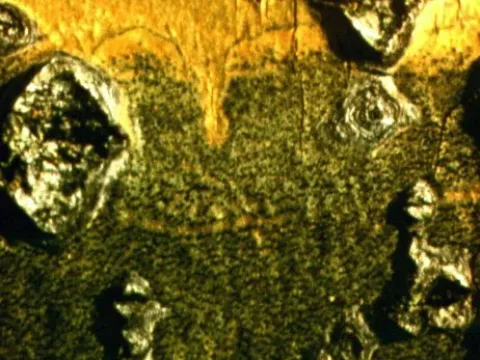
The fungus produces numerous pycnidia, which are small, flask-shaped fruiting bodies that emerge through the bark to release microscopic spores under humid conditions.
The pathogen primarily infects through wounds, including pruning cuts, sunscald, frost cracks, or damage caused by insects, making it a wound-associated parasite.
Once established, the mycelium grows within the inner bark and cambium, causing tissue decay and inhibiting the transport of water and nutrients throughout the tree.
Environmental stress significantly facilitates the pathogen's ability to colonize host tissues, turning a dormant infection into an active, lethal disease process.
The most visible symptom is the formation of cankers — sunken, discolored areas on the bark that often show dark, reddish-brown hues.
Tiny, pimple-like bumps (pycnidia) appear on the surface of the infected bark. Under wet conditions, these release bright orange or yellow spore tendrils.
Leaves on infected branches will often turn chlorotic, wilt, and drop prematurely, signalling a blockage in the tree's vascular system caused by the canker.
If the canker girdles a branch or the main trunk, the entire section above the lesion will die, leading to sparse canopy and eventual branch breakage.
- Sunken bark lesions and cankers
- Bright orange spore tendrils on the bark
- Premature leaf yellowing and shedding
- Dieback of twigs and branches
Poplar trees experiencing physiological stress, particularly from drought or waterlogging, are significantly more susceptible to successful fungal infection.
Rapid temperature fluctuations in early spring can lead to frost cracks in the bark, creating perfect entry points for fungal spores to settle and germinate.
High humidity and consistent rainfall are critical factors for the rapid spread of spores between trees, especially in dense or poorly managed plantations.
Site conditions such as compacted soil or poor drainage weaken the root system, which in turn reduces the tree's capacity to produce natural antifungal compounds.
Improper pruning techniques, such as leaving large stubs or working during the peak of the growing season, increase the risk of pathogen entry through fresh wounds.
Cytospora canker is a devastating disease that leads to significant decline and mortality in poplar forests, shelterbelts, and urban parklands.
Infected branches become structurally weak and brittle, creating a substantial safety hazard in public spaces due to the risk of falling limbs during high winds.
The aesthetic value of trees is rapidly compromised as the crown loses its fullness, making them unsuitable for landscaping or environmental restoration projects.
Economic impact is high, as the costs associated with sanitation felling, disposal of infected wood, and the loss of plantation stock are substantial for forestry managers.
Once a stand is heavily infected, it becomes a permanent source of inoculum, threatening any surrounding healthy poplars or new young plantings.
Sanitation is the most effective management tool: immediately prune and burn all infected branches, ensuring that tools are disinfected between cuts.
Improve overall tree vigor through appropriate irrigation and soil nutrient management, which helps trees seal wounds and resist pathogen penetration.
Protecting the trunks of young trees from sunscald using reflective wraps or white latex paint can significantly reduce the infection rate in plantations.
Avoid any unnecessary wounding of the bark, particularly during periods of high humidity, to limit the potential infection sites for the fungus.
In high-value plantings, consider using only the most resistant poplar clones, which have shown higher tolerance to canker-causing fungal pathogens.