
Cudoniella aquatica
Cudoniella aquatica
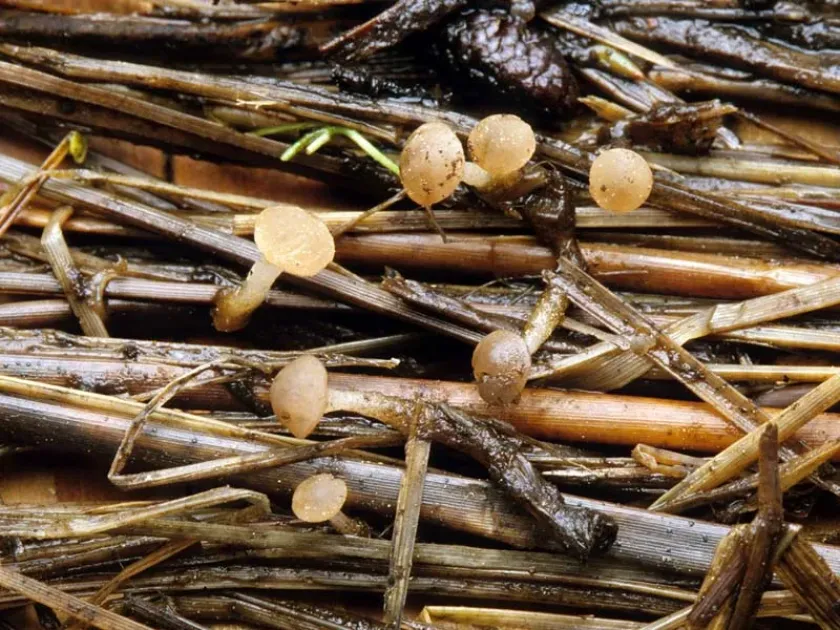
Description
Pathogen
Cudoniella aquatica is an ascomycete fungus often found in riparian habitats and waterlogged areas. While it primarily functions as a saprotroph, it has the potential to act as an opportunistic pathogen when host plants are stressed.
The pathogen produces small, cup-shaped apothecia on decaying plant material, which release spores into the environment via water splashes or high humidity.
The fungal mycelium is highly efficient at breaking down organic matter, which can lead to the infection of living plant tissues in high-moisture conditions.
Microscopic examination reveals septate hyphae and typical asci that house the spores, ensuring the fungus can survive dormant periods in the substrate.
Its biological cycle is intricately linked to humidity levels, making it a persistent challenge in environments with poor soil drainage or excessive irrigation.
Conditions for development
Development of Cudoniella aquatica is strictly governed by high humidity levels and the presence of moist, decomposing organic debris in the soil.
Optimal growth occurs during mild spring and autumn weather, typically when soil temperatures range between 10 and 18 degrees Celsius.
Poorly drained soils or areas prone to flooding provide the essential moisture required for the fungus to initiate infection and propagate its spores.
Dense canopies and lack of proper air circulation contribute to the microclimates that this fungus thrives in, leading to rapid colonisation of plant stems.
Persistent moisture on leaves and stalks, combined with weak plant immunity due to lack of sunlight, significantly increases the likelihood of an outbreak.
Why it matters
The primary damage caused by this pathogen includes root and collar rot, which compromises the integrity of the plant's vascular system.
Infected plants exhibit yellowing leaves, loss of turgor, and eventual collapse of the stem structure due to rapid fungal decomposition of the tissues.
The infection can lead to secondary attacks by bacteria, further accelerating the decline and death of the host plant in agricultural settings.
Economic impact is particularly high for seedling production and decorative plant nurseries where moisture levels are intentionally kept high.
Overall plant health is severely affected, leading to stunted growth, reduced nutrient uptake, and a lack of vitality in perennial ornamental plants.
Protection
Managing Cudoniella aquatica requires a comprehensive approach focused on moisture control and substrate sanitation to prevent the spread of fungal spores.
Improving the drainage capabilities of the soil or growing medium is essential to reduce the conditions favorable to the pathogen.
- Remove and destroy all infected plant residues promptly
- Implement strict irrigation schedules to avoid overwatering
- Use systemic fungicides if local legislation permits for the crop
- Promote aeration by spacing plants properly and pruning
- Apply biological agents like Trichoderma to suppress mycelium growth
Maintaining a clean growing environment by removing dead matter is the most effective preventative measure to limit the fungal food source.
Monitoring for initial signs of rot allows for rapid intervention before the pathogen can cause widespread damage across the cultivated area.
Discussion
No discussions yet — be the first.