
Coprinus sterquilinus
Coprinus sterquilinus
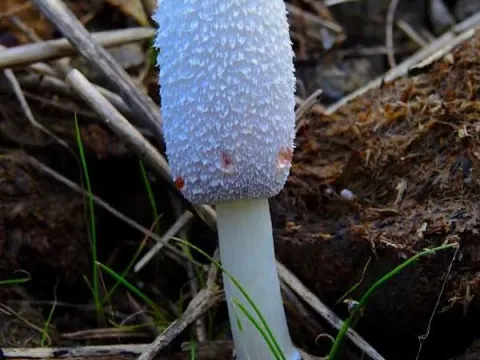
Coprinus sterquilinus appears as solitary or small groups of fruiting bodies with a conical, later bell-shaped white cap. As it matures, the cap becomes scaly and darkens, starting from the edges.
What the section contains
Coprinus sterquilinus
An important diagnostic feature is the process of autolysis, where the gills of the fungus liquefy rapidly, turning into a black spore-laden fluid. This process is accompanied by a distinctive unpleasant odor of decaying organic matter.
The mycelium of this species is often found in the surface layer of substrate or compost, forming dense white cords. Externally, it resembles web-like mold, which often misleads novice agronomists.
Fruiting bodies develop extremely quickly; the cycle from the appearance of primordia to the complete decomposition of the cap can take only a few days. The fungus is often localized on manure piles or areas with an excess of nitrogen compounds.
Visual detection of fruiting bodies in beds or growing boxes is a signal that biological processes in the substrate have deviated from the norm. The appearance of the fungus indicates deep organic degradation.
The pathogen is the fungus Coprinus sterquilinus, belonging to the Agaricaceae family. It is a saprotrophic macromycete that feeds on dead organic remains in soil or substrate.
From a biological point of view, this species is not a direct pathogen of agricultural crops as it does not attack living plant tissues. However, it is an active competitor for nutrients during mushroom cultivation.
Reproduction occurs via spores, which are carried by wind, insects, or infected tools. Spores possess high survivability in adverse external conditions.
The mycelium of the fungus is capable of penetrating deep into the structure of the nutrient medium, destroying it. This leads to changes in the physical and chemical indicators of the substrate, negatively affecting target crops.
The active growth stage of the pathogen is closely related to the availability of nitrogen forms. The biological potential of the species allows it to quickly dominate other microflora in specific local zones.
The development of Coprinus sterquilinus is stimulated by high substrate moisture, often exceeding 70-80 percent. The fungus prefers environments with high levels of fresh manure or nitrogen-rich humus.
The optimal temperature range for intensive mycelium growth is from +20 to +25 degrees Celsius. Increasing the temperature in compost piles to extreme values usually slows down or completely stops its development.
Insufficient aeration of the substrate also promotes colonization by the fungus, as it is adapted to conditions with excess humidity. Stagnant air in greenhouses and indoor farms creates a favorable microclimate for spore germination.
Breach of the compost pasteurization technology is a key factor allowing this fungus to survive and proliferate. Insufficient heating of the substrate does not kill the spores, which activate upon the first humidification.
The pH of the environment plays an important role: the fungus prefers neutral or slightly alkaline conditions. In acidic environments, mycelium development is noticeably inhibited, which is crucial for preparing nutrient mixtures.
The main harm lies in the displacement of beneficial microflora from the substrate. When infecting crops such as button mushrooms, it actively consumes nutrients, depriving the main crop of essential resources.
Disturbance of the substrate structure leads to its compaction, preventing normal root system respiration. Ultimately, this provokes a decrease in yield and deterioration of product quality.
The decomposition process of the fruiting bodies releases decay products that may have toxic effects on young mycelium or seedlings. This creates a secondary risk of crop loss in areas of fungal concentration.
Contamination of cultivation areas with this fungus complicates harvesting, requiring additional costs for sanitary cleaning of the substrate. The presence of the fungus reduces the market value and sanitary indicators of the produce.
Long-term presence of this fungus can necessitate complete substrate replacement due to changes in its microbiological composition, leading to serious economic losses for producers.
The primary measure is strict adherence to the technology of substrate pasteurization or sterilization. Heat treatment must be sufficient for complete spore destruction in deep layers.
It is important to monitor the quality of manure and other organic additives. The use of properly prepared, aged raw materials significantly reduces the risk of unwanted competitor fungi.
Regular ventilation of greenhouses and maintaining optimal humidity levels allow for the elimination of stagnant zones that provoke fungus growth. Microclimate control is the basis of prevention in indoor growing.
If single fruiting bodies are detected, they should be removed immediately along with the surrounding substrate before the autolysis process begins. This will prevent mass spore release into the environment.
Fungicide application is generally not recommended due to the risk of toxin accumulation in products. Preventive methods, such as maintaining tool hygiene and crop rotation, are most effective in the long term.