
Broad bean mosaic virus
Broad bean
Broad bean mosaic virus (BBMV) is a pathogen belonging to the Potyvirus group. It is a systemic plant disease that spreads through the vascular tissues, negatively impacting the physiological processes of the host plant.
What the section contains
Broad bean mosaic virus
The virus is not seed-transmitted; instead, it is primarily spread by aphid vectors, such as the pea aphid. Reservoirs for the virus often include perennial legumes and various weed species that survive the winter.
The disease affects a wide variety of legumes, including faba beans, peas, soybeans, and chickpea. Susceptibility varies depending on the plant variety and the timing of the initial infection during the growth cycle.
The virus typically spreads in patches, often starting at the field edges where aphids land and feed. Under favorable conditions, the virus can spread throughout the entire crop in a relatively short period.
The virus biology is intrinsically linked to the population dynamics of its vectors. Understanding aphid life cycles is crucial for predicting potential outbreaks and timing management interventions.
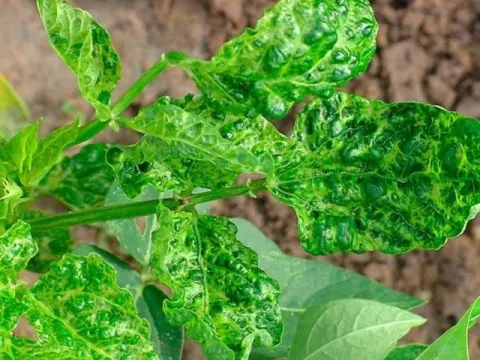
Symptoms typically begin with light green or yellow mottling on young leaves, which eventually develop into a characteristic mosaic pattern. The leaves exhibit a mix of light and dark green areas, disrupting normal light absorption.
Affected plants often display stunted growth, leaf curling, and distortion. Compared to healthy individuals, infected plants appear significantly shorter and lack the vigor required for high yield production.
In crops like chickpea, infection leads to reduced flowering and poor pod set. Seeds produced on infected plants are often undersized, shriveled, or poorly developed due to the systemic disruption of nutrient allocation.
In severe cases, necrotic brown spots may appear on stems and petioles. These necrotic areas indicate extreme stress and can lead to plant wilting or premature death of the affected tissues.
Diagnosis can be challenging as symptoms might overlap with other viral or physiological disorders. Mixed infections are common, which often exacerbates the symptoms and makes the disease more difficult to identify visually.
Warm, humid weather provides the optimal environment for the rapid multiplication of aphids, the primary vectors. Higher aphid activity directly correlates with a faster spread of the mosaic virus in the field.
While extreme summer heat can temporarily inhibit aphid movement, drought stress increases the plant's susceptibility to viral infection. The presence of nearby perennial legume sources is a major risk factor.
Good agricultural practices, such as timely weeding, are essential. Weeds act as bridges for the virus between seasons. Planting at optimal times can help plants reach a stage of maturity that is more resistant to vector-borne transmission.
Poor crop rotation, particularly planting legumes close to perennial fodder crops, ensures a continuous cycle of viral transmission. This creates a persistent reservoir that can affect subsequent plantings.
While seed-borne transmission is not the main pathway, moving infected material to new areas is discouraged to prevent the introduction of the virus into previously healthy agricultural systems.
The main economic damage from Broad bean mosaic virus is a significant reduction in grain yield and quality. In severe outbreaks, chickpea yield losses can be substantial, often exceeding 30-50%.
The virus negatively impacts seed protein content and germination vigor, making the grain less valuable for both market sales and as future seed stock. Infected plants also struggle to form effective symbiotic relationships with nitrogen-fixing bacteria.
The virus weakens the plant's immune system, leaving it prone to secondary infections from fungi and bacteria. This leads to premature senescence and a drastic drop in photosynthetic efficiency.
Economic losses are further increased by the cost of intensive insecticide programs needed to manage vector populations. In extreme cases, farmers may be forced to abandon parts of their fields.
Because the disease is systemic, there is no curative treatment for an infected plant. Prevention is the only way to minimize the impact and maintain the viability of the legume production cycle.
The primary control strategy involves managing aphid populations using systemic insecticides. Applications should be timed with the peak migration periods of the vectors to ensure maximum efficacy.
Maintaining spatial isolation from perennial legume fields and wild reservoirs is highly recommended. Crop rotation practices that distance host crops from previous year's residues help break the infection cycle.
Aggressive weed control on fields and surrounding borders removes alternate hosts for the virus. Keeping the crop healthy through balanced nutrition helps the plants withstand moderate viral pressure.
Developing and deploying resistant cultivars is the most effective long-term solution. Genetic resistance minimizes the impact of the virus on growth and grain development.
Regular monitoring of the field for early symptoms and aphid presence is vital for timely intervention. Proactive management remains the cornerstone of successful legume farming in virus-prone areas.