
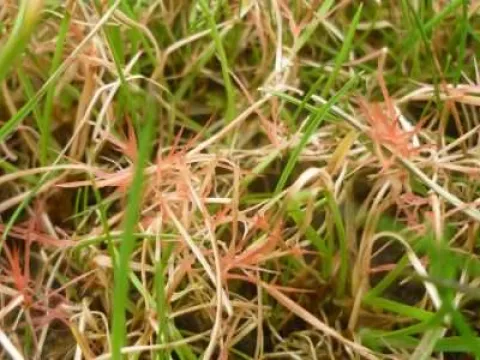
Clavaria root rot
Clavaria
Clavaria root rot is a fungal disease caused by various species of the Clavaria genus and related basidiomycetes. These fungi typically live as saprotrophs in the soil, but under specific environmental stress, they can become opportunistic pathogens, attacking the root systems of various plant species.
What the section contains
Clavaria root rot
The pathogen is characterized by the development of distinct club-shaped or coral-like fruiting bodies that can emerge from the soil. The fungal mycelium penetrates the root tissues, causing structural degradation and disrupting the flow of water and nutrients throughout the plant.
The disease is classified as a type of root rot or tissue necrosis. The pathogen can survive in the soil for extended periods as mycelium or resistant spores, remaining viable until conditions are favorable for growth and infection of new host plants.
Dissemination occurs via basidiospores that are spread by wind, splashing rain, or movement of contaminated soil particles on tools. The high adaptability of these fungi allows them to colonize various organic substrates found in agricultural environments.
The genetic resilience of the pathogen allows it to withstand significant temperature fluctuations, including freezing conditions, ensuring it remains an active threat to crops in subsequent planting seasons.
The primary symptom of infection is the appearance of white or yellowish fungal growth around the crown and root neck of the plant. Tissues begin to soften and become water-soaked, which eventually leads to the decay of the stem base and overall plant wilting.
In later stages of the disease, characteristic coral-like fruiting bodies may appear on the surface of the soil or infected stems. Healthy-looking plants often show sudden loss of turgor, leaf yellowing, and growth stagnation despite adequate irrigation.
The root system of infected specimens becomes brittle, dark, and necrotic, indicating total destruction of the vascular system. This vascular damage prevents the plant from absorbing necessary water and nutrients from the soil, leading to irreversible wilting.
The disease typically spreads in patches, resulting in distinct areas of stunted or dead plants in a field or nursery. The speed of disease progression is closely linked to the physiological health of the plant and the availability of soil moisture.
Careful inspection of the root neck often reveals necrotic lesions that eventually merge into a ring, effectively girdling the stem and cutting off the supply chain between the roots and the upper parts of the plant.
Excessive soil moisture is the primary driver for the development of Clavaria root rot. Poor drainage or over-irrigation creates the perfect humid environment for spore germination and rapid mycelial spread within the soil profile.
Optimal temperatures for the growth of this pathogen range between +15°C and +22°C. During these temperature intervals, the fungal life cycle is significantly accelerated, leading to severe outbreaks in susceptible crop populations.
Soil pH levels also play a critical role, as slightly acidic to neutral soils favor more aggressive fungal colonization. A high concentration of organic matter in the soil provides additional nourishment, supporting persistent fungal activity.
Poor ventilation in dense plantings creates a microclimate with high air humidity, which further stimulates fungal growth. Insufficient airflow prevents the soil surface from drying out, thereby sustaining the conditions required by the pathogen.
Plants weakened by nutrient deficiencies, pest damage, or other stressors are significantly more susceptible to infection. A strong, balanced plant immune system acts as the most effective defense against colonization by this fungus.
The harm caused by this disease is primarily manifested in the premature death of seedlings and overall reduced plant vitality. Heavy infestations can lead to significant yield losses, potentially rendering entire sections of a crop completely non-productive.
The infection negatively impacts crop quality, as infected fruits or plant parts lack the necessary nutrients and have poor shelf life. Such products are generally unsuitable for long-distance transport or long-term storage due to rapid decay.
Economic losses include not only the direct loss of harvested produce but also the significant costs associated with soil disinfection and the management of secondary infections. Contaminated soil often requires a fallow period before it can be safely replanted.
Accumulation of inoculum in the soil often forces farmers to abandon profitable crop rotation schemes. This limits the choice of future crops and reduces the overall economic efficiency and productivity of the agricultural operation.
The pathogen may also colonize various common weeds, which serve as reservoirs for the disease, keeping the infection cycle active even when the primary host crop is removed from the field.
The most effective strategy for managing this disease is strict adherence to a well-designed crop rotation system. Choosing resistant cultivars and hybrids is essential to minimizing the risk of infection and maintaining yield stability.
Regular agrotechnical practices, such as deep plowing to incorporate plant debris and improving field drainage, are vital. Proper soil aeration prevents the build-up of the stagnant moisture levels that this fungus requires to thrive.
Application of systemic fungicides at the first sign of infection can help contain and control the outbreak. Seed treatment with appropriate protectants provides a crucial safety net for young plants during their vulnerable initial growth stage.
Optimizing mineral nutrition, particularly by ensuring adequate potassium levels, helps strengthen cell walls and enhances the plant's natural resistance to fungal entry and spread. Avoiding excessive nitrogen helps prevent soft, overly succulent tissues.
- Removal and proper disposal of all infected plant materials after harvest.
- Liming of acidic soils to shift the pH toward a less favorable environment for the fungus.
- Maintaining proper plant spacing to improve air circulation and prevent humidity build-up.
- Using only certified, disease-free seed and planting materials.