
Clavaria rosea
Clavaria rosea
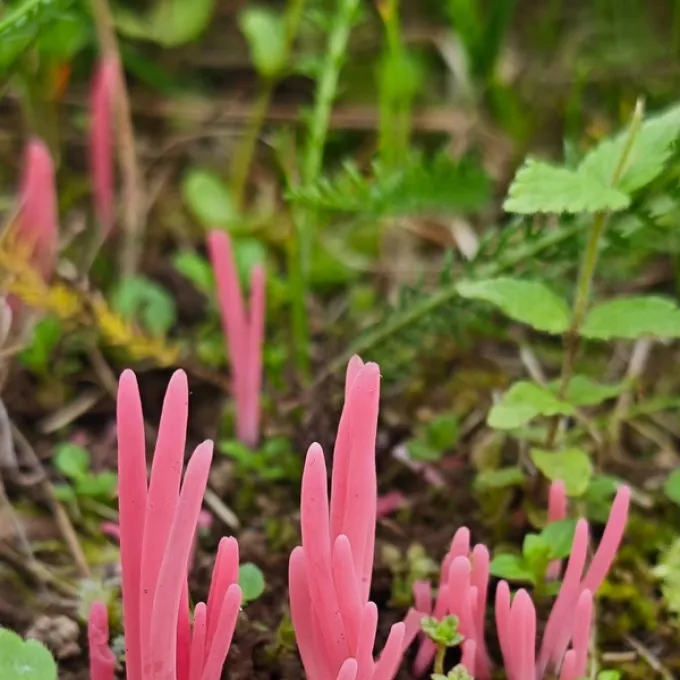
Description
Pathogen
Clavaria rosea is not a plant pathogen and does not cause diseases in agricultural or horticultural crops. It is a saprotrophic fungus belonging to the Clavariaceae family that decomposes organic matter in soil.
The fungus produces coral-like, upright fruit bodies. Unlike parasitic fungi, it lacks the biological mechanisms to invade living plant tissues or extract nutrients from healthy plants.
The mycelium resides in the soil litter layer, focusing on the mineralization of plant debris. This process contributes to the nutrient cycle, essentially acting as a beneficial soil organism.
There are no known symptoms of damage or physiological disorders caused by this fungus to crops. It does not produce toxins that affect plant health, and its presence is generally overlooked in standard phytosanitary assessments.
Farmers and gardeners should distinguish between such beneficial or neutral soil fungi and destructive pathogens, like Fusarium or Pythium species, which are the real causes of root and stem rots.
Conditions for development
Clavaria rosea thrives in environments with high humidity and cool temperatures. It is commonly associated with damp forest soils, shaded garden areas, and spots rich in decomposing organic matter.
The fungus prefers soils with a stable, moist microclimate and high levels of humus. Intensive soil cultivation and chemical treatments typically inhibit its growth and development.
Spore dispersal is carried out by air currents. Once the spores land in a suitable, damp substrate, they germinate to develop a mycelial network that continues the life cycle.
Environmental conditions such as adequate rainfall during late summer and autumn are crucial for the development of visible fruit bodies, which are the reproductive stage of the fungus.
This species is highly sensitive to soil disturbance and chemical fertilizers, which often alter the chemical balance of the soil and lead to the disappearance of the fungal population.
Discussion
No discussions yet — be the first.