
Clavariadelphus
Clavariadelphus
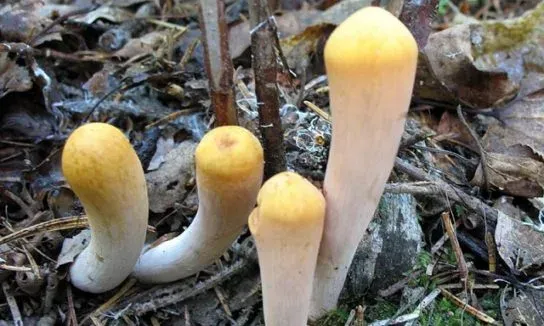
Description
Pathogen
The genus Clavariadelphus consists of fungi belonging to the family Clavariaceae, often referred to as club fungi due to their distinct elongated, club-like fruiting bodies.
While primarily acting as saprotrophs by decomposing organic forest litter, certain species can establish complex relationships with the root systems of forest trees.
These fungi reproduce via basidiospores, which are dispersed by wind and settle on moist substrates where they germinate into mycelium.
The biological cycle is closely tied to the availability of decaying organic matter, making these fungi ubiquitous in undisturbed forest environments.
Although they are often considered harmless, under specific environmental pressures, their interaction with the rhizosphere can influence tree vigor and seedling development.
Conditions for development
Clavariadelphus thrives in environments characterized by high humidity, shade, and rich soil organic content, typically appearing in late summer and autumn.
The optimal temperature for rapid mycelial development ranges between 15°C and 22°C, with growth significantly slowing during dry spells or frost.
Adequate soil aeration and drainage are crucial factors; while they favor moisture, stagnant water that leads to anaerobic soil conditions can disrupt their colonization patterns.
The presence of specific forest litter types provides the necessary carbon sources for the fungi to successfully transition from vegetative growth to producing fruiting bodies.
Anthropogenic disturbances, such as soil compaction or changes in canopy cover, can alter the microclimate and either suppress or encourage local outbreaks.
Why it matters
The pathogenicity of Clavariadelphus is generally considered low, but it may cause harm by competing with nursery seedlings for essential nutrients in the topsoil.
In stressed forest ecosystems, the fungal mycelium can physically and chemically interact with roots, potentially inhibiting the efficiency of water and nutrient uptake.
Massive colonization of soil around the root zone may contribute to chlorosis in young trees, as the fungal network interferes with beneficial mycorrhizal associations.
The cumulative effect of such interactions can lead to reduced biomass production, which is a concern for reforestation projects and intensive silviculture.
Indirect damage occurs when the fungus contributes to the rapid decomposition of the forest floor, potentially altering the nutrient cycling required for sensitive plant species.
Protection
Effective management begins with maintaining good soil hygiene, which includes managing forest debris and ensuring that drainage systems are functional in nurseries.
Implementing a regular monitoring program to detect the early presence of fungal colonies allows for localized manual removal before spores spread further.
Cultural practices, such as optimizing fertilization to boost plant immunity, play a critical role in helping trees withstand the presence of potentially pathogenic soil fungi.
The use of chemical fungicides is typically reserved for severe cases in nursery settings, as it can inadvertently harm the beneficial microbial community.
Promoting a diverse soil ecosystem encourages natural antagonists, which act as a biological buffer against the unchecked expansion of fungal pathogens.
Discussion
No discussions yet — be the first.