
Clavariadelphus ligula
Clavariadelphus ligula
Description
Symptoms
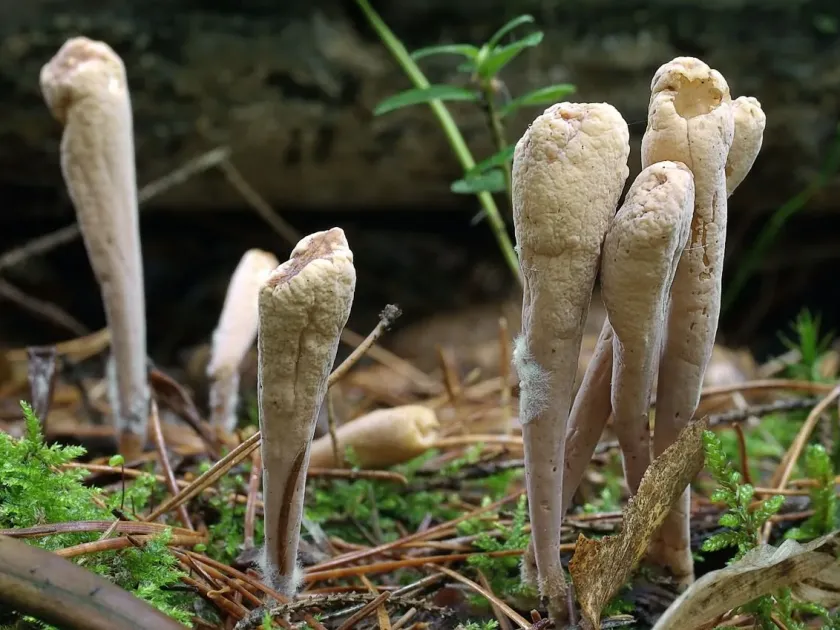
The most distinctive sign is the emergence of yellow-brown or ochre-colored, club-shaped fruiting bodies around the base of conifer stems during the late summer and autumn.
Infected trees exhibit reduced growth rates, yellowing of needles in the lower canopy, and premature needle drop, indicating a compromised root system.
Inspection of the root collar may reveal necrotic tissue changes and the presence of whitish fungal mycelium adhering to the bark near the soil line.
- Presence of club-like fungal fruiting bodies at the tree base.
- Yellowing of lower needles.
- Presence of white mycelium on the root collar.
- Reduced vigor and stunted growth of young saplings.
Symptoms are most visible during moist seasons, which favor the fungal reproductive cycle and enzyme production that degrades plant tissues.
Pathogen
Clavariadelphus ligula, commonly known as the strap coral fungus, is a basidiomycete fungus belonging to the Clavariaceae family. While primarily categorized as a saprotroph living on decaying matter, it can act as a pathogen in specific forest environments.
The pathogen produces club-shaped fruit bodies. Its mycelium colonizes the forest floor and leaf litter, occasionally invading the root zones of coniferous trees under conditions of high humidity.
Biological activity of the fungus focuses on decomposing conifer needles and organic debris, but high population density may lead to encroachment on living tissues of nursery seedlings.
The type of infection often manifests as a form of root rot, where the mycelium disrupts normal root function, leading to physiological stress in the host plant.
Dissemination is achieved through basidiospores carried by wind and the expansion of mycelial mats throughout the organic layer of the soil.
Conditions for development
The primary driver for the development of Clavariadelphus ligula is high moisture content in the soil and accumulated forest litter, which serves as a nutrient source.
The fungus thrives in shaded conifer forests where temperature and humidity remain stable, creating an ideal microclimate for mycelial growth.
Soil acidity plays a vital role in the distribution, as the fungus prefers the slightly acidic environments typically found in spruce and pine habitats.
High seedling density in forest nurseries significantly increases the risk of the fungus spreading from soil organic matter onto living root systems.
Inadequate sanitation, such as leaving logging debris, provides a large surface area for the fungus to establish and build up its infectious potential.
Why it matters
The primary harm is the weakening of young trees, which renders them more susceptible to subsequent attacks by secondary pests and other pathogens.
In nursery settings, the fungus can cause significant economic loss due to patches of seedling mortality, disrupting forest regeneration efforts.
Interference with root absorption leads to reduced wood increment and diminished overall productivity of the forest stand.
Persistent infestation reduces the biological resilience of the forest, making it less capable of surviving drought or other climatic stresses.
In mature stands, the fungus may cause localized root damage that reduces structural stability, particularly in wet soil conditions.
Protection
Effective control relies on rigorous sanitation, including the prompt removal of forest floor debris and logging residues that act as primary habitats for the fungus.
Improving air circulation through thinning and proper spacing in nurseries is essential to lower humidity and inhibit fungal growth.
Where necessary, applying fungicides or soil amendments to neutralize the environment can help manage infection hotspots in sensitive areas.
Maintaining balanced tree nutrition promotes natural immunity and strengthens the root system, reducing the impact of fungal activity.
Regular monitoring of young stands for the appearance of fruit bodies allows for early intervention and targeted removal of infected plants to stop further spread.
Discussion
No discussions yet — be the first.