
Chytridiomycosis
Chytridiomycetes
The causative agents of diseases known as chytridiomycosis are microscopic fungi belonging to the Chytridiomycetes class. These are primitive organisms that exist as obligate or facultative parasites.
What the section contains
Chytridiomycosis
The fungus primarily reproduces via zoospores, which possess flagella allowing them to actively swim through soil water films to locate a susceptible host plant root.
Upon reaching the host, the zoospore encysts and penetrates the root tissue, where it develops into a structure that drains nutrients from the plant and disrupts its normal development.
Some species in this group are highly specialized, while others can infect a wider range of plant hosts, making them significant threats in agricultural settings.
To survive adverse environmental conditions, the fungi form resting spores that can persist in the soil for several years, waiting for the return of suitable host plants and moisture.
The first external sign of infection is usually stunted growth and chlorosis of the foliage, often mistaken for nutrient deficiencies by inexperienced growers.
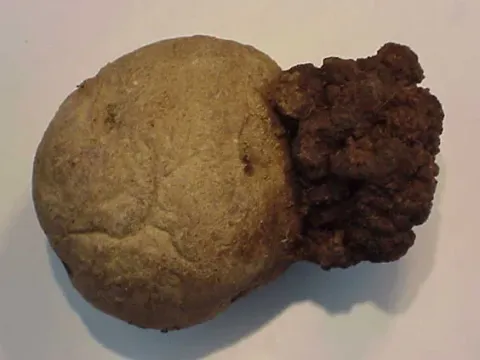
The most distinctive symptom is the formation of galls, tumors, or wart-like growths on the root system, tubers, or the base of the plant stem, which interfere with water uptake.
As the disease progresses, these growths often darken and rot due to the secondary invasion of bacteria and other microorganisms entering the damaged plant tissues.
Affected plants often show rapid wilting during the hottest parts of the day because the deformed root system cannot meet the transpiration demands of the plant.
- Wart-like growths on roots and tubers.
- Root system deformation and swelling.
- Yellowing (chlorosis) of leaves.
- Premature wilting and collapse of the plant.
- Reduced yield and poor quality of harvested produce.
Moisture is the primary driver of chytridiomycosis development, as the zoospores absolutely require free water in the soil to move and infect new plants.
Heavy, clay-rich soils that retain moisture for long periods are significantly more prone to outbreaks than well-drained, sandy soils where water drains quickly.
Moderate temperatures ranging between 12°C and 20°C create the optimal environment for spore germination and the infection process during early spring or autumn.
Intensive farming practices with short crop rotation cycles contribute to the buildup of inoculum in the soil, leading to an increased risk of severe disease outbreaks over time.
Poor soil management, including excessive irrigation and lack of proper drainage, exacerbates the spread of the pathogen throughout the agricultural field.
The economic impact of chytridiomycosis is significant because it leads to major crop losses, as infected products are often unsightly and prone to rapid decay in storage.
In cases of severe infection, young seedlings may die shortly after emergence, resulting in a thin and uneven stand that requires costly re-planting or abandonment of the field.
Soil contamination is extremely difficult to eradicate, forcing farmers to choose less profitable crops or invest heavily in soil decontamination measures for several years.
Infected roots fail to function correctly, leading to smaller tubers or fruits, which decreases the overall marketable yield for the farming operation.
The spread of the pathogen is facilitated by contaminated equipment, tools, and organic fertilizers, making it a persistent problem for biosecurity on agricultural lands.
The most effective strategy to manage these diseases is to implement long-term crop rotation cycles, avoiding host crops on the same site for at least 5 to 7 years.
Improving soil structure and installing drainage systems are essential steps to ensure that excess water does not linger in the root zone, limiting zoospore mobility.
Utilizing resistant or tolerant cultivars is the preferred method for managing the disease, significantly reducing the reliance on chemical pesticides and soil fumigants.
Rigorous sanitation protocols should be practiced, including the cleaning of machinery and tools between fields to prevent the transfer of infested soil particles.
In localized areas, removing and destroying infected plants along with the surrounding soil can help to reduce the primary inoculum load and prevent further spread.