
Ciboria rot
Ciboria
Ciboria rot is caused by fungal pathogens belonging to the genus Ciboria, part of the Ascomycota division. These fungi are specialized pathogens that target the reproductive tissues of various plants, causing significant damage during the flowering and fruiting stages.
What the section contains
Ciboria rot
The fungus survives the winter primarily as mycelium or sclerotia embedded in plant debris, such as mummified fruits left on the ground or within the orchard soil.
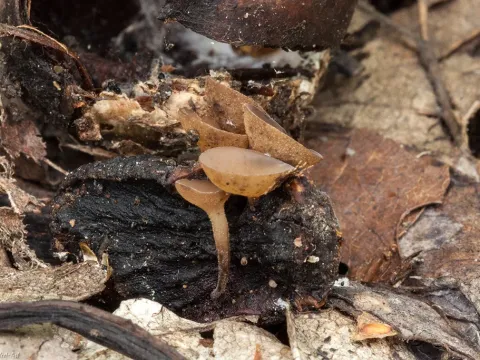
In the spring, these overwintering structures produce apothecia, which are small, cup-shaped fruiting bodies. These apothecia release ascospores into the air, which are then carried by wind or splashing water to susceptible flowers.
The infection process is highly synchronized with the host plant's phenology. Successful colonization occurs when environmental conditions allow spores to germinate and penetrate the delicate tissues of the flower or young fruit.
Once inside, the fungus secretes enzymes to break down plant cell walls, allowing it to rapidly colonize the tissue, absorb nutrients, and eventually cause the complete collapse of the infected plant part.
Symptoms of Ciboria rot often appear during the blossoming period. Infected flowers may suddenly brown, wilt, and die, often causing growers to mistakenly suspect late spring frosts.
As the infection progresses to the fruit, it manifests as soft, spreading lesions. These areas lose their structural integrity and begin to rot, often leading to premature fruit drop.
A characteristic sign of advanced infection is the appearance of a whitish or grey fungal mat on the surface of the fruit. In many cases, the fruit eventually shrivels and hardens, becoming a mummy.
When an infected fruit is cut open, one may observe internal tissue degradation and the presence of fungal mycelium. The interior often changes texture and appearance, becoming unsuitable for consumption.
In orchards, these mummified fruits often remain clinging to branches or lying in the leaf litter, serving as persistent reservoirs for the fungus to spread in subsequent seasons.
The development of Ciboria rot is strongly dependent on moisture. Prolonged periods of rain, mist, or high relative humidity during the bloom are critical for spore germination.
Moderate temperatures during the spring season favor the growth of the fungus. This temperature range often perfectly overlaps with the timing of floral development in susceptible crop species.
Poor orchard sanitation is a major factor in the disease cycle. Leaving infected plant parts in the field provides the fungus with the necessary substrate to persist and propagate from year to year.
Dense canopies and poor air circulation create microclimates that retain surface moisture on flowers and leaves, greatly increasing the likelihood of successful fungal infection.
The presence of standing water or dew in the orchard, especially during the morning hours, acts as a facilitator for the pathogen's movement and infection of floral tissues.
The primary economic impact of Ciboria rot is the direct reduction of marketable yield. When flowers are infected and killed, the potential fruit set is destroyed before it can even develop.
For fruits that are already formed, infection leads to decay and spoilage, rendering them entirely unfit for sale or commercial processing, resulting in significant financial losses.
The disease drains the host plant's resources. The plant invests energy into defense or tissue repair, which can weaken overall growth and impact the productivity of subsequent seasons.
Increased disease pressure complicates orchard management. Farmers are forced to implement more frequent fungicide applications, which raises production costs and labor requirements.
Because the fungus can persist in the soil and on debris for multiple seasons, Ciboria rot creates a long-term challenge that requires consistent and diligent management to mitigate effectively.
Sanitation is the cornerstone of managing Ciboria rot. Growers must actively collect and destroy all mummified fruit and fallen debris to remove the primary inoculum source.
Deep cultivation of the orchard floor can bury overwintering sclerotia, preventing the development of apothecia and disrupting the disease cycle early in the spring.
Pruning is essential for creating open canopies that facilitate air circulation and light penetration, effectively reducing the surface moisture required by the fungus to thrive.
Fungicide applications, when used according to regional guidelines, are most effective if timed precisely with the crop's flowering stages to protect tissues during their most vulnerable period.
Selecting resistant cultivars or varieties that bloom outside the peak infection window can be a sustainable and highly effective long-term strategy for minimizing disease impact.