
Chytridiomycetes
Chytridiaceae
Chytridiomycetes represent a significant group of primitive fungal-like organisms that include several devastating plant pathogens affecting various agricultural crops.
What the section contains
Chytridiomycetes
The primary pathogenic unit is the zoospore, which is equipped with a single flagellum, allowing it to swim through water-saturated soil films to infect host plant roots.
These pathogens function as obligate parasites, relying heavily on the presence of soil moisture to complete their lifecycle and penetrate the epidermal cells of the host.
The most infamous species in this group is the causal agent of potato wart, Synchytrium endobioticum, which forms resting spores in soil, ensuring survival for years.
Unlike higher fungi, these organisms lack a true mycelium, instead utilizing rhizoidal hyphae to extract nutrients directly from the cytoplasm of the host cells.
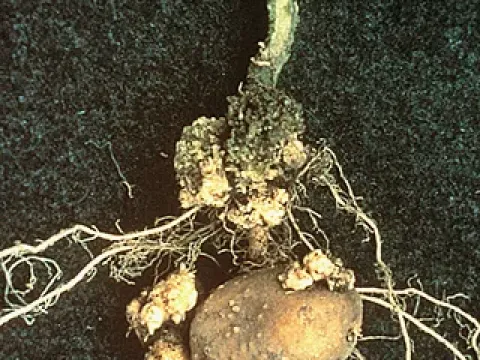
The hallmark symptoms of infection include the development of tumor-like galls or wart-like excrescences on roots, tubers, and the lower stems of host plants.
These growths result from abnormal cell division and enlargement, causing the tissue to lose its structure and resemble a mass of cauliflower-like tissue.
As the infection progresses, the surface of these galls turns dark and necrotic, eventually disintegrating and releasing thousands of spores back into the soil matrix.
Plants affected by these pathogens often display signs of severe physiological stress, including stunted growth, leaf chlorosis, and wilting during peak transpiration periods.
In many cases, the disease remains sub-clinical in the early stages, making early detection in the field highly challenging for farm managers.
Environmental conditions, particularly high soil moisture levels, are critical for the successful dispersal of zoospores and the onset of the infection cycle.
The optimum temperature for the germination and host-tissue infection by most pathogenic Chytrids ranges between 15 and 20 degrees Celsius.
The soil environment serves as a long-term reservoir for the pathogen, as resting spores can withstand extreme weather fluctuations and remain viable for decades.
Mechanical dispersal via contaminated farm equipment, footwear, and the movement of infested soil particles is the primary driver of pathogen spread within and between fields.
Specific soil pH and drainage conditions can also influence the survival and infectivity of the zoospores, with saturated, cool soils being the most conducive to epidemics.
The economic impact of these pathogens is substantial, as they can cause total crop failure and lead to long-term quarantine restrictions on agricultural lands.
Contaminated fields may become unsuitable for the cultivation of susceptible host crops, forcing farmers to switch to lower-value rotations to mitigate losses.
The destruction of root systems disrupts the plant's ability to uptake water and nutrients, which significantly reduces yield quality and plant vigor.
Secondary infections by soil-borne bacteria or fungi are common in tissues damaged by chytrids, leading to accelerated decay of tubers and roots during storage.
The persistence of the pathogen in the soil creates a permanent risk, requiring continuous monitoring and strict adherence to biosafety protocols.
Preventative strategies focus primarily on using certified, pathogen-free seed stock to ensure that the disease is not introduced into previously uninfested areas.
The implementation of long-term crop rotation schemes using non-host species is essential for managing the inoculum pressure within the soil.
Breeding and utilizing resistant cultivars remains the most effective and sustainable tool for agricultural production in regions where these pathogens are present.
Strict sanitation protocols for farm machinery, including thorough cleaning and disinfection, are vital to prevent the spread of contaminated soil particles.
- Regular soil testing for the presence of resting spores in high-risk zones.
- Immediate removal and destruction of infected plants with a significant surrounding soil buffer.
- Avoidance of manure derived from livestock fed on potentially infected materials.