
Lime-induced chlorosis
Alkaline and
Lime-induced chlorosis is not a pathogen-driven disease but a physiological disorder caused by nutrient unavailability. It occurs when plants cannot absorb sufficient iron from the soil due to specific chemical conditions.
What the section contains
Lime-induced chlorosis
The primary driver of this condition is high soil pH, typically found in calcareous or over-limed soils. Under these alkaline conditions, iron precipitates into forms that plant roots are unable to uptake.
This disorder particularly affects sensitive crops such as flax (Linum usitatissimum) and peach trees. The inability to process iron disrupts the synthesis of chlorophyll, which is essential for photosynthesis.
High levels of calcium in the soil exacerbate the problem by interfering with iron transport within the plant's vascular system. It is a metabolic failure that deprives the plant of necessary trace elements.
Unlike parasitic infections, lime-induced chlorosis is an environmental and chemical issue. The presence of iron in the soil is irrelevant if the chemical environment prevents its assimilation by the plant.
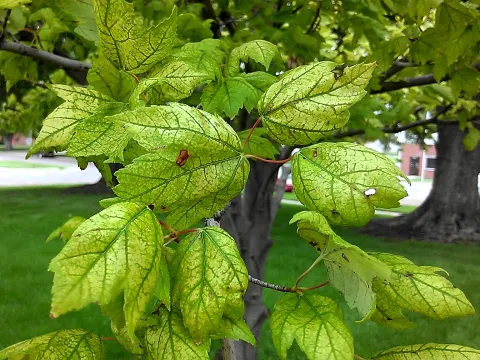
The hallmark symptom is interveinal chlorosis, where the leaf turns yellow while the leaf veins remain green. This pattern creates a distinct network-like appearance on the foliage.
As the condition advances, new leaves emerge pale yellow or ivory-colored. If left untreated, the edges of the leaves may begin to die, leading to necrosis and stunted plant growth.
Flax plants suffering from this chlorosis show reduced height, poor fiber development, and significantly lower seed yields. Affected plants appear sickly compared to those in neutral or acidic soils.
Peach trees display poor shoot growth and stunted fruit development. Fruits may drop prematurely, and the overall vigor of the tree declines rapidly over successive growing seasons.
In severe cases, dieback of twigs and branches occurs, eventually leading to the death of the plant. The foliage loses its ability to photosynthesize effectively, putting the entire plant under extreme stress.
The most critical condition for the development of this disorder is an alkaline soil environment, usually with a pH above 7.5. Excess lime (calcium carbonate) is the most frequent culprit.
Cool and wet spring weather significantly increases the incidence of chlorosis. Low temperatures reduce root metabolism, further hindering the already difficult process of iron uptake.
Poor soil drainage and low aeration exacerbate the problem. When oxygen levels in the root zone are low, the plant's ability to extract micronutrients is severely compromised.
The use of hard irrigation water, rich in carbonates, can lead to the gradual alkalinization of the soil over time. This is a common issue in commercial orchards and intensive farming.
Nutrient antagonism also plays a role, as high levels of phosphorus or zinc in the soil can compete with iron, preventing it from entering the root cells effectively.
The fundamental damage is the inhibition of photosynthesis, which reduces the plant's biomass and overall productivity. Without sufficient energy, the plant's growth processes halt.
For crops like flax, this leads to lower quality fiber and reduced yield, which can have significant economic consequences for farmers in regions with alkaline soils.
In peach orchards, the long-term impact includes decreased fruit quality, lower yields, and increased susceptibility to winter damage. Trees often require removal if the chlorosis is chronic.
Weakened plants have compromised defense systems, making them highly susceptible to secondary infestations by insects and other pathogens. This leads to increased reliance on chemical pesticides.
The cumulative effect is a loss of agricultural profitability. The need for continuous treatment with expensive iron chelates adds significantly to the maintenance costs of the crop.
The most effective treatment is the application of iron chelates, specifically Fe-EDDHA, which remains stable and available in high-pH soil conditions. Foliar sprays can also provide quick relief.
Regular soil testing is essential to monitor pH levels. Applying acidifying fertilizers or sulfur can help lower the pH in the root zone to make native iron more accessible.
For permanent plantings like peach orchards, choosing rootstocks tolerant to high-lime soils is the most important preventative measure. Genetic resistance is the best long-term strategy.
- Applying organic matter to improve soil structure and biological activity.
- Ensuring optimal irrigation practices to avoid waterlogging and root rot.
- Using mulching to stabilize soil temperature and moisture levels.
- Targeted fertigation in the root zone to maximize nutrient uptake efficiency.
Precision agriculture tools, such as drip irrigation with nutrient injection, allow for the exact delivery of iron amendments. This approach minimizes waste and maximizes the health of the crop.