
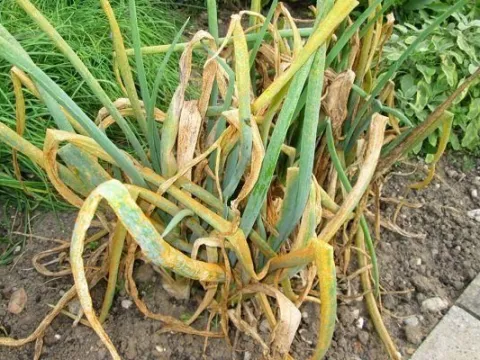
Cercospora leaf spot
Cercospora duddiae
The disease is caused by the fungus Cercospora duddiae, a member of the Deuteromycetes group. This pathogen is a significant threat to various agricultural crops, specifically targeting foliage to extract essential nutrients.
What the section contains
Cercospora leaf spot
The fungus overwinters in plant debris, infected seeds, or in the soil, allowing it to re-emerge when environmental conditions favor its development. It survives as mycelium or dormant spores until the next growing season.
During the growing period, the fungus produces conidia which are disseminated primarily by wind, rain splashes, and irrigation practices. It invades host tissues through natural openings like stomata.
Inside the plant, the pathogen colonizes the leaf tissue, leading to localized cell death and the formation of characteristic necrotic spots. The rapid growth of the mycelium is supported by the nutrients stolen from the plant.
As an obligate parasite, Cercospora duddiae heavily relies on living plant tissues during the initial infection phase, though it can transition to saprotrophic activity on dead plant parts later.
Symptoms typically start as small, roundish spots that are initially light brown in color. Over time, these spots expand and may develop a dark or reddish-brown margin, indicating localized tissue necrosis.
A distinctive feature is the presence of a gray or olive-colored fungal growth in the center of these spots, particularly on the underside of the leaves, where sporulation occurs.
As the disease progresses, the leaves turn yellow and wither. Severe infections result in premature leaf drop, which significantly reduces the photosynthetic efficiency of the plant.
Stem and petiole infections can also occur, presenting as elongated dark lesions that can interfere with the transport of water and nutrients throughout the plant.
- Small necrotic lesions on the leaf surface.
- Visible gray fungal spores on the underside of leaves.
- Yellowing and wilting of the affected foliage.
- Premature senescence and leaf abscission.
High relative humidity is the most critical environmental factor for the spread of Cercospora duddiae. Humidity levels exceeding 80 percent create ideal conditions for spore germination and infection.
Temperatures ranging from +22 to +28 degrees Celsius are considered optimal for the pathogen's development. Within this range, the incubation period is significantly shortened.
Poor ventilation, whether in dense crop plantings or greenhouses, facilitates the accumulation of moisture on leaf surfaces, allowing the fungus to infect the host more effectively.
Irrigation methods like overhead watering can unintentionally spread spores from leaf to leaf, turning a minor infection into a large-scale field outbreak.
Stagnant air and warm, humid weather allow the fungus to complete its life cycle rapidly, leading to the rapid build-up of inoculum that can overwhelm plant defenses.
The primary impact of this disease is a substantial reduction in yield due to the destruction of the photosynthetic surface area. Reduced leaf mass leads to smaller, lower-quality fruits.
The stress caused by the infection makes the plants highly susceptible to other pathogens and environmental stressors, leading to a general decline in crop vigor and overall health.
Marketable quality is severely compromised, with unsightly spots rendering produce unsuitable for fresh market sales, resulting in direct financial losses for the grower.
In cases of severe outbreaks, the entire crop may suffer from stunted growth and delayed maturity, impacting the production schedule and farm profitability.
The accumulation of persistent spores in the field soil increases the risk for subsequent crops, necessitating long-term management strategies and increased investment in sanitation.
Implementing a proper crop rotation plan is essential to break the disease cycle, as this prevents the buildup of the pathogen in the soil over consecutive seasons.
Strict field sanitation, including the removal and destruction of crop residues, is crucial to eliminate the primary sources of the fungal inoculum for the next year.
The use of certified disease-free seeds and planting resistant or tolerant cultivars are the most effective preventive measures against Cercospora duddiae.
Fungicides should be applied preventively or upon the first signs of the disease. Rotating chemical classes helps prevent the development of resistant strains of the fungus.
Improving air circulation through wider plant spacing and proper pruning helps keep foliage dry, significantly inhibiting the conditions required for fungal sporulation and infection.