
Catabotrys
Catabotrys
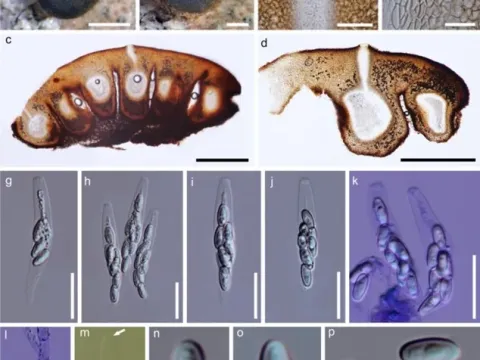
The causative agent of this disease is a fungus from the genus Catabotrys, belonging to the group of deuteromycetes (imperfect fungi). The most commonly identified species in this group is Catabotrys passerinii, which is known to parasitize various plant tissues.
What the section contains
Catabotrys
This microscopic fungus acts as a pathogen, extracting nutrients from the host plant's cells to support its growth and reproduction. The lifecycle of the pathogen is closely tied to the availability of healthy or decaying organic matter from the host.
The fungus produces numerous conidial spores that spread through the environment via wind, rain splashes, or mechanical contact. This rapid dispersal allows the infection to spread across new plant tissues effectively.
Biological studies indicate that the fungus secretes specialized enzymes capable of degrading cell walls. This enzymatic activity facilitates the penetration of hyphae into the plant tissues, leading to tissue decay and necrotic lesions.
Persistence of the pathogen is a significant challenge, as it can remain dormant in plant debris and soil during unfavorable conditions. This serves as the primary reservoir for new infections in subsequent growing seasons.
The most visible symptom of Catabotrys is the appearance of distinct leaf spots. These spots vary in shape, often characterized by irregular edges surrounded by a darker, necrotic margin that differentiates the affected area.
As the disease progresses, the central portion of these spots develops small, black fruiting bodies. These represent the active spore-producing organs of the fungus and are often visible to the naked eye under favorable moisture conditions.
Severe infestations lead to premature yellowing, withering, and abscission of the foliage. This defoliation significantly reduces the plant's photosynthetic capacity and weakens the overall structure of the host.
In some cases, stems and shoots may display sunken lesions or cankers. Such deep-tissue infections can cause the shoots to bend or die off, indicating that the fungus has compromised the plant's vascular systems.
Regular monitoring of lower foliage is crucial, as the infection often begins in the lower, more humid parts of the plant canopy. Detecting the disease early is essential to prevent it from spreading to the upper leaves and stems.
Catabotrys development is highly favored by high ambient humidity and moderate temperatures. Persistent rain or frequent irrigation that keeps foliage wet for extended periods creates an optimal environment for infection.
Dense, overcrowded planting arrangements significantly increase the risk of the disease. Lack of air circulation prevents the foliage from drying out, allowing the fungus to establish itself and spread rapidly between nearby plants.
Inappropriate watering practices, such as overhead irrigation that targets foliage, facilitate the spread of spores. Water droplets serve as a vector, transporting the fungus from infected to healthy plant tissues.
Plants under physiological stress, often due to nutrient deficiencies or poor soil conditions, are more susceptible. A lack of proper fertilization and maintenance lowers the plant's natural immune response to pathogens.
The proximity of weeds and infected plant remains in the landscape acts as a secondary source of inoculum. These sources keep the disease cycle active throughout the year, especially if cleanup measures are ignored.
The primary concern regarding Catabotrys is the significant loss of ornamental value. In nursery settings and urban landscapes, plants affected by this disease are often deemed aesthetically unacceptable for use.
The disruption of photosynthetic processes due to leaf tissue damage causes slow growth rates and overall developmental decline. Plants struggling with the disease may show stunted shoots and a lack of vigor.
Premature leaf loss deprives the plant of necessary energy reserves required for dormancy. This reduction in stored nutrients makes the plant highly vulnerable to winter frost and other environmental stressors.
Chronic infections often result in the gradual dieback of terminal shoots, requiring intensive pruning to keep the plant alive. If left unmanaged, the disease may lead to the total decline or death of the host plant.
Furthermore, the necrotic damage caused by Catabotrys creates entry points for opportunistic secondary infections. Bacteria and other fungi can colonize the weakened tissue, worsening the plant's prognosis.
Effective management begins with rigorous sanitary practices. Removing and destroying fallen leaves and diseased plant material at the end of the season significantly reduces the amount of overwintering spores.
Proper spacing during planting is essential to ensure adequate airflow and sunlight penetration. Pruning to open the canopy helps keep the foliage dry, which is a critical deterrent for fungal colonization.
Chemical control using fungicides is highly effective when applied at the first sign of symptoms. Copper-based compounds or systemic fungicides are typically recommended to manage and stop the progression of the disease.
Maintaining high horticultural standards, including balanced mineral fertilization, helps strengthen the host's resistance. Plants that receive adequate potassium and phosphorus often show better tolerance to pathogen attack.
When dealing with an active outbreak, multiple fungicide treatments spaced 10–14 days apart are usually necessary. Rotating between different chemical classes is advised to prevent the fungus from developing resistance to treatments.