
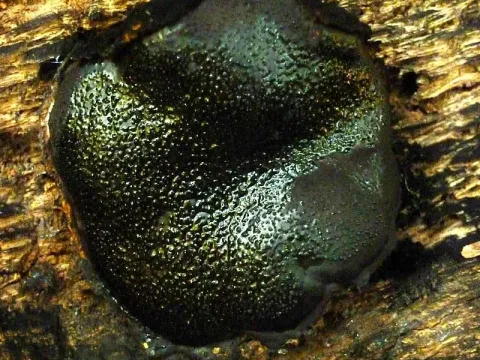
Camarops polysperma
Camarops polysperma
Camarops polysperma is a fungal species belonging to the class Ascomycetes. It is primarily recognized as a wood-decay fungus that thrives on the dead or weakened tissues of deciduous trees.
What the section contains
Camarops polysperma
The fungus produces distinctive, hard, black stromata that appear on the bark surface. These structures serve as the reproductive units where numerous perithecia are housed, releasing spores into the environment.
As a saprotrophic or weakly pathogenic organism, it utilizes enzymes to decompose the complex lignin and cellulose structures within the xylem of trees.
The lifecycle involves the dispersal of spores via air currents during humid seasons. Once landing on a suitable host, the fungal hyphae penetrate the bark, establishing a colony within the wood.
While often found on decaying logs, it can adapt to living hosts that are under stress, gradually encroaching upon the vital vascular tissues of the tree.
The most visible sign of infection is the emergence of black, crust-like, or bumpy stromata on the bark of trunks and thick branches.
Affected wood becomes soft, discolored, and structurally compromised. In later stages, the wood may exhibit signs of bleaching or fragmentation due to enzymatic decay.
Visible decline in the canopy, including yellowing leaves and crown dieback, indicates that the tree's internal water and nutrient transport systems are failing.
Cracks and fissures often form around the areas of fungal activity as the tree attempts to compartmentalize the infection, leading to visible bark distortions.
In cases of severe infection, limbs may become brittle and break easily under light pressure, posing a physical danger to surrounding areas.
High humidity and prolonged periods of rainfall are critical factors that promote the development and sporulation of the fungus.
The fungus readily exploits existing wounds on the tree, such as storm damage, pruning cuts, or animal gnawing, which provide direct access to the nutrient-rich inner wood.
Temperatures ranging from 15°C to 25°C provide the optimal metabolic environment for the fungus to expand its mycelial network within the tree trunk.
Dense forest stands with poor airflow maintain high moisture levels near the bark surface, significantly increasing the probability of new infections.
Stressed trees, particularly those suffering from drought or soil compaction, have lower defense mechanisms, making them prime targets for Camarops polysperma colonization.
The primary damage caused by this pathogen is the structural degradation of the tree trunk, which significantly increases the risk of windthrow and falling limbs.
The fungus causes substantial losses in wood quality, rendering the timber unsuitable for commercial purposes and reducing the ecological value of the stand.
By interfering with the tree's ability to transport water and minerals, the fungus stunts growth and can eventually lead to the premature death of the specimen.
In urban landscapes or parks, the presence of this fungus necessitates expensive tree removal or maintenance to prevent injury to people and property.
The accumulation of infected wood debris increases the inoculum load in the forest, creating a cycle of decay that can affect surrounding healthy specimens.
Effective management begins with rigorous sanitary practices, including the prompt removal and disposal of infected trees or woody debris to reduce spore production.
Preventative measures should focus on maintaining tree vigor through appropriate fertilization and ensuring trees are not subjected to unnecessary mechanical stress.
Regular monitoring of tree health allows for the early detection of fungal stromata, providing an opportunity to intervene before the decay spreads deeply.
For high-value trees, surgical removal of the infected bark and wood followed by the application of antifungal treatments may prolong the tree's life.
- Removal of deadwood from the site.
- Cleaning pruning tools with sanitizing solutions.
- Maintaining optimal stand density for ventilation.
- Applying wound dressings to major cuts.