
Bondarzewiaceae
Bondarzewiaceae
The Bondarzewiaceae family belongs to the Basidiomycota division, comprising several species of destructive wood-decaying fungi.
What the section contains
Bondarzewiaceae
The most prominent pathogen within this group is Bondarzewia mesenterica, which is responsible for white root and butt rot in coniferous tree species.
The fungus invades the host tree, secreting enzymes that degrade cellulose and lignin, effectively destroying the structural integrity of the wood tissue.
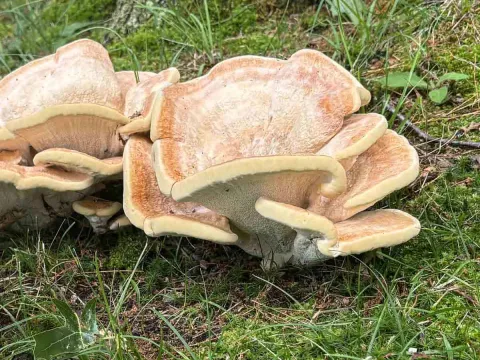
It typically produces large, fan-shaped or rosette-like sporocarps (fruiting bodies) at the base of the infected trunk, which release spores.
Mycelium can persist in the soil and roots for many years, allowing the infection to bridge between trees and establish long-term disease centers.
The most visible sign of infestation is the emergence of fleshy, layered fruiting bodies around the root collar of the tree.
A cross-section of the affected wood reveals a bleached appearance characteristic of white rot, often demarcated by dark, pigmented lines.
The tree shows general symptoms of decline, such as thinning crowns, chlorosis of needles, and a significant reduction in annual shoot growth.
As the rot progresses, the interior wood loses its tensile strength, becoming soft, fibrous, and prone to internal cavitation or hollows.
- large fungal fruiting bodies at the tree base;
- bleached and brittle appearance of wood;
- fiber-like wood texture when damaged;
- increased susceptibility to windthrow.
Optimal development occurs in environments with high soil moisture and poor drainage, which favor the germination of fungal spores.
Mechanical injuries to the bark or roots, often caused by logging machinery or wildlife, provide essential entry points for the infection.
Dense, overcrowded plantations with limited air circulation create a humid microclimate that accelerates the spread and growth of the fungus.
Warm to moderate temperatures are preferred by the fungus for active mycelial extension within the host's root system and trunk.
The spread of the disease is also facilitated by root-to-root contact, allowing the fungus to move through the soil from diseased to healthy hosts.
The primary impact of the disease is the severe degradation of high-value timber, rendering the wood unfit for construction or industrial use.
Infected trees suffer from compromised root anchorage, leading to a significantly higher risk of windthrow and blowdown during storm events.
The disease reduces the long-term health and productivity of forest stands, causing economic loss for the forestry sector and ecosystem instability.
As the stand vigor decreases, affected areas become more vulnerable to secondary pests and pathogens that thrive on stressed trees.
Management costs increase substantially due to the need for continuous monitoring, sanitation logging, and reforestation efforts.
Strict silvicultural practices aimed at preventing mechanical injury to standing trees are the most effective way to limit new infections.
Regular sanitary thinning and the removal of infected trees are essential to manage the inoculum load and protect healthy sections of the forest.
Promoting forest diversity through mixed-species planting can significantly reduce the vulnerability of the ecosystem to this specific pathogen.
When working in infected areas, disinfecting all logging tools and equipment helps prevent the accidental transfer of fungal spores to clean zones.
Improving site drainage and preventing waterlogging are key soil management practices that make the environment less hospitable for wood-rot fungi.