
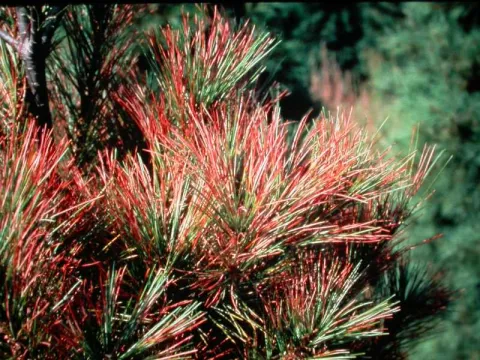
White necrosis
Air pollutant
White necrosis is not a classic infectious disease caused by fungi or bacteria; it is a physiological disorder triggered by air pollution. The primary causative agents are toxic atmospheric gases such as ozone, sulfur dioxide, and fluorides.
What the section contains
White necrosis
The damage occurs when these pollutants enter the leaf tissues through the stomata. Once inside, they cause chemical oxidation that destroys chlorophyll and disrupts vital metabolic processes within the leaf cells.
Unlike contagious diseases, this condition cannot spread from one plant to another. The severity of the necrosis is entirely dependent on the concentration of pollutants in the surrounding environment.
Ozone is the most common culprit in greenhouse settings, particularly during periods of intense sunlight. It acts as a powerful oxidizer, attacking the cell membranes and leading to localized tissue death.
This disorder is most frequently diagnosed in agricultural facilities located near heavy traffic or industrial zones, where contaminated air is introduced via ventilation systems.
The hallmark symptom is the appearance of small, white, silvery, or bronzed spots on the upper surface of the leaves. These necrotic areas are typically restricted to the tissue between the leaf veins.
In sensitive species like the poinsettia, the symptoms manifest as interveinal chlorosis and bleaching. Over time, the affected tissue dries out, becomes thin, and may take on a papery or parchment-like texture.
If exposure continues, individual spots merge into larger patches of dead tissue. This leads to leaf yellowing and eventual necrosis, often starting from the lower and middle parts of the plant canopy.
Leaves may exhibit deformation, curling, or loss of turgor pressure. In many cases, the affected foliage drops prematurely, significantly impacting the structural health of the plant.
- Silvery or white spots on the leaf surface.
- Necrosis localized strictly between veins.
- Papery and brittle leaf texture in damaged areas.
- Premature leaf drop and stunted overall growth.
White necrosis thrives under conditions of high solar radiation and warm temperatures. These factors stimulate plant respiration, which in turn increases the uptake of contaminated air through the stomata.
Calm, stagnant air conditions can lead to the accumulation of pollutants in the immediate vicinity of the plants, increasing the risk of chemical injury during peak ozone hours.
Soil moisture levels play a secondary role; however, adequate watering supports overall plant vigor, which may help the plant better cope with environmental stress compared to drought-stressed specimens.
The susceptibility of the plant species or cultivar is a crucial variable. Some poinsettia varieties are hypersensitive to air quality and will show damage at concentrations that would leave other plants unaffected.
Ventilation timing is key: bringing in outside air during the early morning or evening can often bypass the peak photochemical smog levels that occur during midday.
For ornamental crops like the poinsettia, white necrosis is a major economic threat because it destroys the plant's aesthetic value. Damaged foliage renders the product unsellable for retail.
Because the necrosis reduces the effective photosynthetic area, the plant's growth slows down significantly. This results in weaker stems, fewer blooms, and a general decline in the plant's vitality.
Damaged tissues are highly susceptible to secondary infections. Weakened leaves often become sites for opportunistic pathogens, such as Botrytis or other fungi, which can exacerbate the damage.
Severe cases of white necrosis lead to extensive leaf drop, which can cause total failure of a crop in a greenhouse environment, leading to massive financial losses for the grower.
Costs are further increased by the necessity of replacing contaminated growth media, installing air filtration systems, and applying corrective measures to save the remaining plants.
The most effective strategy is the installation of carbon-based air filtration systems in greenhouse intake vents. These filters are specifically designed to strip ozone and other VOCs from the air.
Monitoring local air quality indices is essential for greenhouse managers. If high pollution levels are predicted, it is advisable to keep greenhouse vents closed during those specific time windows.
Maintaining an optimal greenhouse climate helps keep plants physiologically resilient. Regular irrigation and balanced fertilization contribute to a stronger immune system, helping plants mitigate environmental stress.
Antioxidant sprays may offer limited protection by helping plant tissues combat the oxidative stress caused by atmospheric pollutants.
Long-term prevention in industrial production relies on selecting plant cultivars that have been bred for higher tolerance to atmospheric pollution, ensuring more consistent yields.