
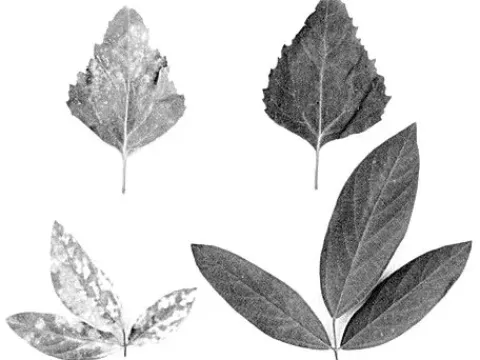
Cowpea chlorotic spot
Cowpea chlorotic
The causative agent of the disease is the Cowpea chlorotic spot virus (CCSV), belonging to the group of carlaviruses. This pathogen systemically infects the host plant, interfering with photosynthesis and essential metabolic processes.
What the section contains
Cowpea chlorotic spot
The virus is an obligate parasite, meaning it can only reproduce within living plant cells. It lacks cellular structure and consists of nucleic acid protected by a protein coat, requiring host machinery to replicate.
Infection primarily occurs through mechanical damage to plant tissues or via specific insect vectors. The pathogen can persist for long periods in plant debris and contaminated seed material, ensuring its survival across seasons.
The disease affects a wide range of legumes, including cowpea, common bean (Phaseolus vulgaris), and various wild hosts. The agricultural significance of the virus stems from its ease of transmission in field conditions.
Spread within fields is often linked to the activity of sap-sucking pests, which transmit viral particles from infected to healthy plants during feeding. The use of high-quality, certified seeds is a critical factor in reducing primary infection rates.
The primary symptom of the disease is the appearance of characteristic chlorotic spots on the leaf blade. These spots are often diffuse in shape and can merge to form large areas of tissue discoloration.
Infected plants exhibit noticeable growth retardation and developmental delays compared to healthy specimens. In some cases, leaves may become distorted, developing a crinkled or puckered texture.
Shoot tips often turn pale, indicating systemic movement of the virus through the plant's vascular system. The development of lateral branches may be suppressed, giving the plant a stunted or dwarfed appearance.
When common bean is affected, symptoms may manifest as mosaic patterns, combining patches of bright green and pale yellow tissue. The intensity of symptoms depends on the plant's age at infection and prevailing environmental conditions.
During the flowering and pod formation stages, symptoms become more pronounced as the virus actively diverts plant resources for its own replication. Flower drop may occur, and the overall number of pods is significantly reduced.
Optimal conditions for viral development and rapid spread occur during peak migration periods of insect vectors like aphids and whiteflies. Warm and humid weather conditions favor both the growth of pest populations and the acceleration of viral metabolism within the plant.
High planting density in legume fields creates an environment conducive to the rapid spread of infection from one plant to another. Mechanical damage caused by weeding or other crop care activities also creates entry points for viral particles.
Temperature plays a vital role; moderately high temperatures accelerate the manifestation of systemic disease symptoms. Under stress conditions caused by drought or nutrient deficiencies, the plant's resistance to the virus significantly decreases.
The virus can spread over considerable distances via vectors feeding on infected weed reservoirs near the fields. A lack of weed control along field margins is a major risk factor for early-season crop infection.
Agronomic practices that weaken the plant, such as improper fertilization or irregular irrigation, can exacerbate the infectious process and lead to more severe yield losses.
The primary harm involves a sharp decrease in the productivity of bean and cowpea crops. Infected plants produce far fewer pods, leading to direct losses in marketable yield and a decline in crop quality.
Viral infection negatively impacts seed quality, as infected seeds may carry the virus. This creates significant challenges when saving own-grown seeds for subsequent planting seasons.
Economic damage includes both direct harvest losses and the increased costs of implementing additional pest and disease control measures. In epidemic hotspots, grain yield losses can reach 30-50% of the potential output.
Impaired photosynthesis prevents the plant from accumulating sufficient nutrients for proper seed filling. Consequently, seeds become shriveled, and their germination rate is substantially reduced.
Chronic infection weakens the plant's overall immune response, making it more susceptible to secondary fungal and bacterial infections. Thus, the virus often acts as a precursor to complex disease outbreaks in the field.
The primary control measure is the use of healthy, certified seed material. Careful screening and culling of infected seeds during the sorting process significantly reduce the risk of primary infection sources.
Managing insect vectors, such as aphids and other sap-sucking pests, is an essential component of disease management. The use of systemic insecticides helps limit the spread of the virus during the early vegetative stages.
It is vital to conduct regular weeding, as many weeds act as reservoirs for the virus during the off-season. Destroying crop residues after harvest effectively reduces the infection pressure for the next season.
Adhering to spatial isolation rules between different planting ages of legumes helps prevent viral spread. The use of resistant varieties and hybrids remains the most effective and sustainable method for long-term protection.
Maintaining sanitary protocols, including the disinfection of farming tools, prevents mechanical transmission of the virus. Regular field monitoring allows for early detection of symptoms, enabling prompt action to isolate and manage infected patches.