
Craterellus
Craterellus
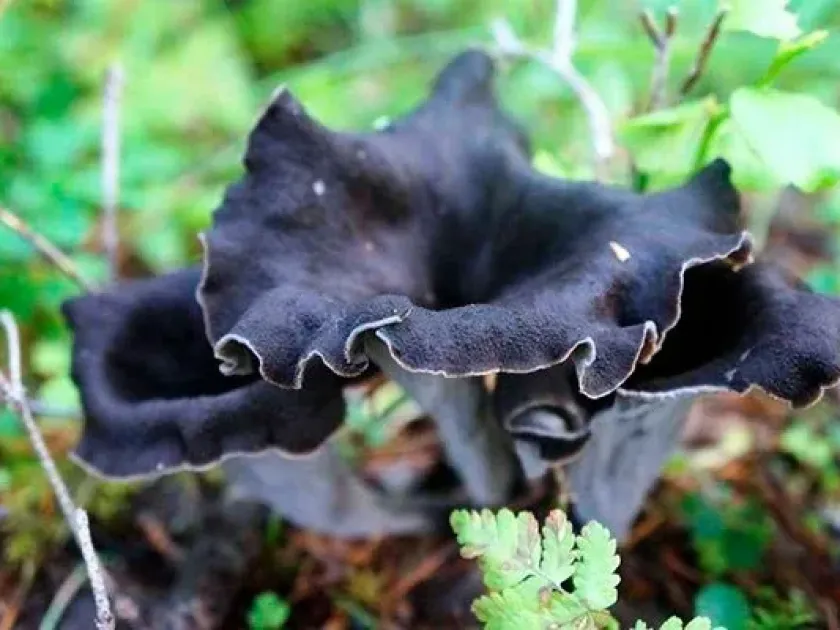
Description
Symptoms
The most reliable sign of infection is the emergence of characteristic funnel-shaped or tubular fruiting bodies near the base of the plant. Their presence signifies that the mycelium has thoroughly colonized the substrate and is actively exploiting the host’s resources.
Initial symptoms include reduced vigor, premature yellowing of leaves, and wilting despite adequate soil moisture. The plant appears stunted, with short internodes and sparse foliage, indicating a significant breakdown in systemic health.
The bark at the root collar often becomes darkened, water-soaked, or discolored. Under the bark, white or cream-colored fungal threads (mycelium) may be visible, penetrating and softening the woody fibers, which gradually lose their structural integrity.
Branch dieback is a frequent consequence of long-term infection. As the root system fails, the plant cannot supply the crown with water, leading to necrosis and brittle, dry branches that easily snap off under pressure.
Examination of the roots typically reveals dark, decayed, and fragile rootlets that disintegrate upon contact. The lack of functional root hairs renders the plant unable to recover, eventually leading to death if the infection is not managed promptly.
Pathogen
The genus Craterellus encompasses a group of basidiomycete fungi. While commonly recognized as edible mushrooms, in specific ecological conditions, certain members can act as pathogens affecting stressed or weakened plants. They function as facultative parasites that utilize organic debris as a base before attacking living tissues.
The infection begins when fungal mycelium penetrates through root systems or the root collar of the host plant. Once inside, the fungus breaks down cellular structures, effectively disrupting the plant’s nutrient and water transport mechanisms, leading to systemic decline.
Reproduction occurs primarily through spores, which are disseminated by wind, rain, or soil-borne insects. These spores settle on damp substrates, germinating into a new mycelial network that actively searches for organic matter or susceptible plant hosts.
A notable biological trait of Craterellus is its ability to persist in a dormant or saprotrophic state for extended periods. This makes it a difficult pathogen to eradicate, as it maintains its population in the soil until environmental triggers favor a shift to parasitic activity.
The adaptability of the fungus allows it to colonize diverse plant species. Its complex mycelial structure ensures effective resource extraction, often causing significant damage before the first visible signs of infection appear on the above-ground parts of the plant.
Conditions for development
Excessive soil moisture and poor drainage are the primary conditions that facilitate the development of the pathogen. Fungi within this genus thrive in saturated environments where low oxygen levels weaken the plant’s defenses.
High humidity and poor air circulation in dense plantations create an ideal microclimate for spore germination and mycelial spread. When plants are crowded, they cannot dry out effectively, allowing the pathogen to thrive unabated.
Physical injuries to the roots, caused by cultivation equipment, digging, or burrowing insects, provide direct access for the fungus to enter the vascular system. These wounds are the most common entry points for the infection.
The accumulation of rotting wood or plant debris in the soil acts as a reservoir for the pathogen. By feeding on this material, the fungus builds up a high population density before expanding its colony into the roots of healthy, living plants.
Cold, damp soil conditions significantly lower the host's metabolic rate and immunity, making it much more susceptible to the fungal invasion. These periods are when the plants are most vulnerable to initial colonization.
Why it matters
The most severe impact is the rapid destruction of the root system, which leaves the plant unable to anchor itself or absorb water. This often leads to total plant loss, especially in woody perennials.
Once established in the soil, the pathogen can form long-lasting hotspots. This necessitates costly soil replacement or sterilization before any new planting can occur, causing major setbacks for commercial nurseries and orchards.
Plants weakened by the initial infection become targets for secondary pests, such as wood-boring insects, which accelerate the plant's decline. This synergistic effect makes recovery almost impossible without intensive intervention.
Economic losses arise from both the loss of plant inventory and the increased cost of disease management. Inconsistent growth and reduced productivity in crops translate to significant financial damage for agricultural producers.
The presence of the pathogen serves as a continuous source of infection for surrounding vegetation. This systemic risk necessitates strict quarantine and sanitation procedures to prevent the disease from spreading throughout the entire farm or estate.
Protection
The most effective strategy involves improving drainage to prevent the soil from remaining overly saturated. Proper soil aeration and management of water runoff significantly reduce the attractiveness of the site for fungal development.
Strict sanitation measures, including the removal and destruction of infected plant debris, are vital. Plants displaying advanced symptoms should be removed, root and all, to eliminate the primary reservoir of the fungus.
Systemic fungicides, particularly those containing copper, can be used as a targeted treatment on the root zone to suppress mycelial growth. Applications should be performed following professional guidelines to ensure maximum efficacy.
Enhancing plant resilience through balanced fertilization and biostimulants helps the host strengthen its own biochemical defenses. A healthy plant is much more capable of walling off the fungus and surviving minor infections.
- Regular monitoring for fruiting bodies at the base of plants.
- Disinfecting all pruning tools to prevent cross-contamination.
- Providing adequate spacing between plants for better airflow.
- Using organic mulches that keep the root collar dry and exposed.
Discussion
No discussions yet — be the first.