
Asteroma
Asteroma
The causative agents of Asteroma are fungi belonging to the genus Asteroma, often associated with the sexual stages of Gnomonia or Diplocarpon. These fungi act as pathogens, primarily colonizing the leaf tissue of woody plants and various shrubs.
What the section contains
Asteroma
The survival mechanism of the pathogen is centered on the production of pycnidia — small, dark, flask-shaped structures that form within dead leaf tissue. These structures allow the fungus to endure the winter dormancy period on fallen leaves.
As temperatures rise in the spring, the pycnidia release spores (conidia). These spores are disseminated to the new foliage through splashes from rain, irrigation, or wind-blown moisture, initiating a new infection cycle.
Upon landing on a susceptible leaf surface, the spores germinate and enter the plant through stomata or small wounds in the cuticle. Once inside, the fungal mycelium begins to invade the intercellular spaces, feeding on the host's nutrients.
The pathogen is highly specialized and adapted to the phenology of its host plant. Its growth rate often correlates with the humidity levels within the plant canopy, making it a persistent challenge in dense or poorly ventilated landscapes.
The most prominent sign of Asteroma infection is the development of distinct spots on the leaves. Initially, these appear as small, yellowing (chlorotic) areas that gradually enlarge and transition to brown or dark grey colors.
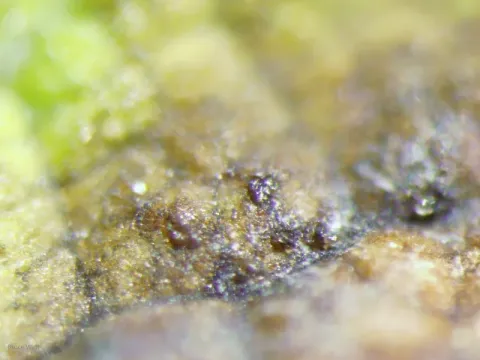
A key diagnostic feature is the appearance of tiny, black, dot-like fruiting bodies (pycnidia) within the necrotic spots. These are often arranged in characteristic radial or starlike patterns, which gives the genus its name.
As the disease advances, the necrotic spots may coalesce, leading to large dead patches on the leaf. In severe cases, the leaf margins may curl or become distorted, eventually leading to premature senescence and leaf drop.
Besides leaves, the pathogen can sometimes attack the petioles and young, tender shoots. This can cause visible browning and stunted development of the affected plant parts, hindering the overall growth of the branch.
Heavy infections can strip a plant of its foliage much earlier than normal in the autumn. This premature defoliation is a clear indicator that the plant is struggling to manage a pathogenic load that interferes with its biological rhythms.
High humidity and consistent moisture are the primary drivers of Asteroma spread. Prolonged periods of rainfall or overhead irrigation create the wet surface conditions required for spore germination and infection.
The pathogen thrives in moderate temperature ranges, typically between 15°C and 22°C. These temperatures are often reached during mid-spring and early summer, which coincides with the period of rapid leaf growth and high susceptibility.
Poor aeration within the canopy is a major factor that facilitates the disease. Dense, unpruned plants retain moisture for much longer periods after rain, providing the perfect environment for the fungus to establish and propagate.
Inadequate sanitation in the garden or nursery is a critical issue. Fallen leaves act as a persistent reservoir for the pathogen. If these are not removed, the source of inoculum remains active season after season, leading to recurring infections.
Plants that are weakened due to poor nutrition, drought stress, or existing pests are much more susceptible to the colonization by Asteroma. A healthy, vigorous plant often possesses a more resilient cuticle that acts as a natural barrier to infection.
The primary harm caused by Asteroma is the reduction in photosynthetic capacity due to leaf damage. The loss of healthy green tissue directly correlates with lower energy storage in the plant, which stunts growth and reduces overall vitality.
Early leaf drop prevents the plant from properly preparing for winter dormancy. This leads to weakened woody parts, making the plant more susceptible to winter frost damage and spring dieback in the following year.
For ornamental plants, the aesthetic impact is severe. The presence of dark, irregular spots and prematurely yellowing leaves destroys the decorative value of the plant, making it unsuitable for landscape use.
In commercial tree nurseries, the economic impact is significant. Infected saplings cannot be sold due to their poor condition, and the cost of repeated fungicide applications increases the overhead production costs for growers.
If left unmanaged, the pathogen can cause long-term decline in susceptible species. While it rarely kills a mature tree outright, it weakens the host to the point where it becomes vulnerable to secondary pests and environmental stress.
Cultural control is the most effective approach. The most important step is the complete removal and disposal of all fallen leaves during the autumn. Burning or deep burying the debris significantly reduces the amount of overwintering inoculum.
Pruning is essential to improve airflow throughout the plant canopy. By thinning out crowded branches, you ensure that the foliage dries quickly after rains, which creates an unfavorable environment for the fungal pathogen.
Chemical control should be employed if the infection risk is high. Protective applications of copper-based fungicides during the early spring, before bud break, can prevent the initial stages of infection from taking hold.
During the growing season, if symptoms are detected, systemic fungicides containing triazoles or strobilurins are highly effective. These should be applied at the first sign of disease to minimize the spread within the canopy.
Integrated management also involves proper fertilization and irrigation practices to boost plant resistance. Keeping the plant well-fed with potassium and phosphorus helps harden the tissues, making it more difficult for the pathogen to penetrate.