
Asellaria
Asellaria
Asellaria is a genus of fungi belonging to the order Kickxellales. These fungi are primarily known as commensals or symbionts within the digestive tracts of arthropods, playing a complex role in their host biology.
What the section contains
Asellaria
In agricultural pathology, the focus on Asellaria relates to its presence in agro-ecosystems where insects act as vectors. The pathogen is characterized by its septate thallus and the production of sporangiola, which facilitate rapid reproduction.
The biological cycle of the fungus is intrinsically linked to the insect hosts found on crops. When these insects feed on plants, they can introduce fungal spores into the plant's vascular or surface tissues, leading to infection.
Microscopic analysis reveals a branching mycelial structure that can persist in various environmental conditions. This durability makes it a challenging pathogen to eradicate once it establishes itself in the soil or crop debris.
As members of the Kickxellomycotina subphylum, these fungi possess unique metabolic pathways that distinguish them from more common agricultural pathogens like rusts or blights.
The proliferation of Asellaria is heavily dependent on moisture levels. High relative humidity (above 75-80%) and moderate temperatures are the most critical factors for spore germination and mycelial spread.
Crops grown in dense, poorly ventilated conditions are more susceptible. The lack of air movement allows moisture to collect on leaf surfaces, creating an ideal microclimate for the fungus to thrive.
Insects play a pivotal role as carriers. Outbreaks often occur following high infestations of specific agricultural pests that transport the fungus from wild hosts to commercial crops.
Soil moisture and surface debris provide a reservoir for the fungus during the off-season. Fields that are not cleared of plant residues are significantly more prone to recurrent infections in the following year.
Shaded areas or low-lying fields with poor drainage are particularly vulnerable to sudden outbreaks, especially during periods of unseasonably wet weather.
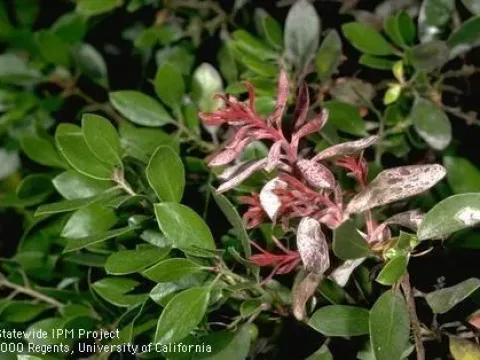
The damage caused by Asellaria is characterized by stunted growth and the development of necrotic lesions on leaves and stems. This disrupts the plant's ability to transport water and nutrients.
Photosynthetic efficiency is significantly reduced, leading to weakened plant vigor and poor fruit or grain development. Over time, this results in lower yields and degraded product quality.
In severe cases, the combined pressure of insect feeding and fungal infection can lead to the wilting and death of affected plants. This can create patches of infestation that spread throughout the field.
The economic impact is twofold: yield loss and the increased cost of intensive chemical applications required to suppress both the fungal population and the insect vectors.
Early diagnosis is crucial, as the infection can rapidly move from a localized area to a systemic issue, particularly in vulnerable crop varieties that lack natural resistance.
Integrated Pest Management (IPM) is the most effective approach. By controlling insect populations with appropriate insecticides, farmers can significantly break the transmission cycle of the fungus.
Sanitation practices, including the removal of crop residues and deep plowing, are essential to reduce the primary inoculum load in the field for the following season.
Crop rotation should be employed to disrupt the host-pest-fungus cycle. Avoiding monocultures in areas prone to Asellaria outbreaks can help mitigate long-term damage.
Fungicidal treatments targeting specific classes of lower fungi may be necessary during peak humidity periods. It is vital to time these applications with the lifecycle of the pest vectors.
- Vector control (insecticides)
- Crop residue destruction
- Proper field drainage and aeration
- Rotation of crops
- Regular field scouting for symptoms