
Ascozonus woolhopensis
Ascozonus woolhopensis
Description
Pathogen
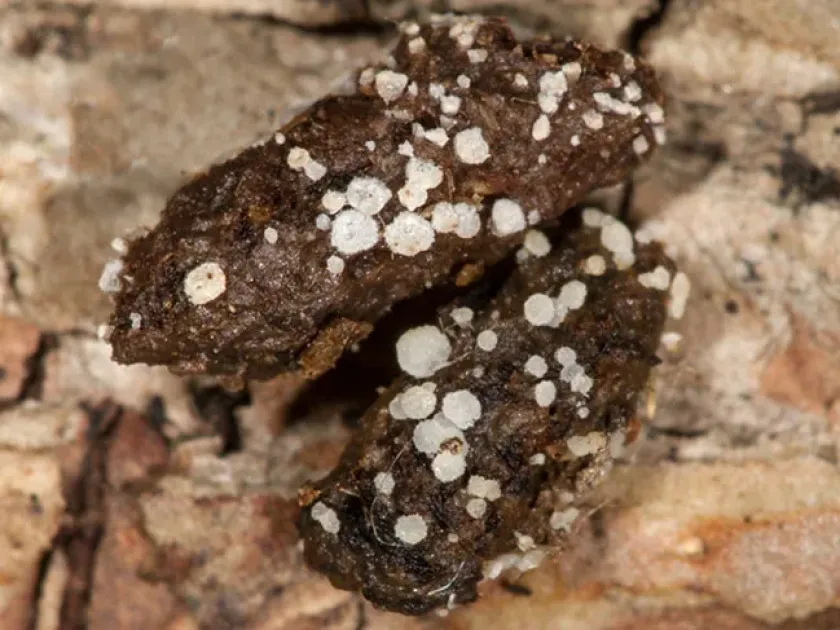
Ascozonus woolhopensis is a species of fungus belonging to the Ascomycota division. It is primarily identified as a coprophilous fungus, which thrives on animal excrement.
The organism is not a plant pathogen and poses no threat to crops or agricultural production. It acts as a decomposer within its natural ecological niche.
The fungus produces tiny fruiting bodies known as apothecia. These structures are microscopic and require laboratory conditions or specialized optics for accurate identification.
As a member of the Thelebolaceae family, it has adapted to specific nutrient-rich environments. Its biological cycle is focused on rapid degradation of organic matter.
Mycologists study this species to understand fungal diversity and the specialized roles that coprophilous fungi play in soil and ecosystem health.
Conditions for development
Development of Ascozonus woolhopensis depends heavily on moisture levels. High humidity is essential for the activation of the mycelium and the maturation of spores.
Temperature plays a vital role in the metabolic activity of the fungus. It generally prefers mild temperatures that align with the decomposition processes in natural environments.
A specific substrate—typically the dung of herbivores—is a mandatory requirement for its life cycle. Without this organic base, the fungus cannot reproduce.
Spore dispersal is achieved through mechanical discharge from the apothecia. Once released, spores can be carried by air currents to colonize new organic substrates.
The fungus is insensitive to light, as it is a heterotroph. Its growth is dictated entirely by substrate availability, temperature, and moisture levels.
Discussion
No discussions yet — be the first.