
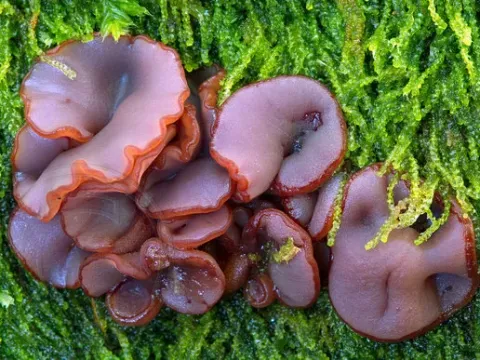
Ascocoryne cylichnium
Ascocoryne cylichnium
Ascocoryne cylichnium is a species of fungi in the family Helotiaceae. It is classified as a wood-decay fungus, typically found growing as a saprotroph on dead or decaying hardwood timber.
What the section contains
Ascocoryne cylichnium
The fungus produces distinctive, gelatinous, disc-shaped or cup-shaped fruiting bodies. These sporocarps are usually purple to violet in color and often grow in dense, fused clusters on the host substrate.
Biologically, this species is a specialist in breaking down complex plant polymers such as lignin and cellulose. By secreting specific enzymes, it gradually softens the wood structure, making it a vital agent in forest nutrient cycling.
While primarily saprophytic, Ascocoryne cylichnium can also act as a weak, opportunistic parasite on stressed or damaged trees. It thrives by colonizing internal tissues where defense mechanisms have already been compromised.
Identification of this species is largely based on its macroscopic appearance during the reproductive phase, when the vibrant purple fruiting bodies become visible on the surface of logs, stumps, or branches.
The primary symptom of infection is the emergence of bright violet, rubbery, cup-like structures on the bark or exposed wood of deciduous trees. These bodies are smooth and can vary significantly in size.
In wet conditions, the fruiting bodies appear swollen and hydrated, displaying their characteristic deep purple hue. During dry weather, they may shrivel and turn dark brown or even black, becoming less conspicuous.
Internally, the infected wood undergoes visible changes in texture and color. The wood fibers weaken, and the material becomes brittle, often showing signs of enzymatic decomposition that reduces structural integrity.
The spread of the fungus occurs via spores that are dispersed by wind, rain, or physical contact. Once the spores settle in cracks or damaged tissue, they germinate and initiate a mycelial network throughout the wood.
Another sign is the development of a powdery spore deposit on the surfaces of the fruiting bodies, which can sometimes appear as a thin, light-colored film under magnification.
Ascocoryne cylichnium requires high humidity and moisture to develop. It is most commonly found in damp, shaded environments such as dense forests, where moisture levels remain high for extended periods.
The fungus shows a strong preference for hardwood species, particularly birch, beech, alder, and hornbeam. It is frequently observed on fallen timber, logging residues, and old, decaying stumps.
Mechanical injuries to the trunk, such as frost cracks, sunscald, or logging damage, provide ideal entry points for fungal colonization, allowing the mycelium to penetrate deeper into the tree's tissues.
The optimal temperature range for vegetative growth is between +15°C and +22°C. While it prefers moderate conditions, the mycelium is remarkably resilient and can survive cold winters, resuming growth when temperatures increase.
Lack of airflow and persistent shade are critical factors that promote the development of large fungal colonies, as these conditions prevent the rapid drying of the substrate surface.
The main impact of Ascocoryne cylichnium is the degradation of timber quality. Once infected, the wood loses its mechanical strength, rendering it unsuitable for structural timber or high-quality woodworking.
In living trees, the presence of the fungus indicates poor tree health and compromises structural stability. This increases the risk of windthrow, branch failure, and breakage during severe weather events.
From an ecological perspective, the fungus contributes to the accumulation of woody debris. While this is natural in a forest, an excessive buildup can create habitats for more harmful pests and increase fire risks.
The breakdown of bark and surface tissues invites secondary infections by pathogenic bacteria and insects, creating a combined threat to the vitality of affected trees.
Economic damage includes reduced timber yields and the increased necessity for sanitation management within forest stands, which impacts operational budgets for forestry owners.
Proactive forest management, specifically timely sanitary felling of heavily infested trees, is the most effective way to limit spore dispersal and reduce the overall infection pressure.
Efficient removal of logging debris is essential. By clearing stumps and fallen branches, foresters reduce the primary substrates required for the fungus to reproduce and colonize new areas.
Preventing mechanical damage to healthy trees is crucial during silvicultural operations. Any accidental wounds on valuable timber should be treated promptly with protective sealants or fungicides.
Maintaining a balanced and diverse tree population encourages natural ecosystem health, which helps trees develop better resistance to secondary infections such as fungal decay.
In specific cases like public parks or botanical gardens, localized chemical treatments may be applied to wounds or cut sites to prevent infection, though this is not feasible for broad-scale forest management.