
Arachnion
Arachnion
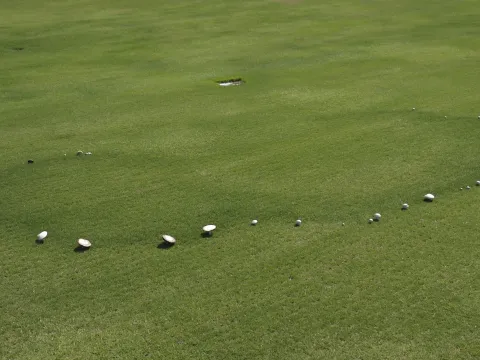
The fruit bodies of Arachnion have a characteristic spherical or tuber-like shape, resembling small puffballs. They often remain partially embedded in the substrate or soil, which makes them difficult to detect.
What the section contains
Arachnion
The outer shell of the fungus, called the peridium, is very thin and fragile. As it matures, it quickly breaks down, revealing the internal spore mass, which tends to disperse upon mechanical impact.
The internal structure of the fungus consists of a system of chambers or cells filled with spores. In mature specimens, these septa may disappear, turning the inner space into a continuous powdery mass.
The spores of the fungus are usually small, smooth, or slightly ornamented, which facilitates their efficient dispersal by wind or raindrops. They have a characteristic shade ranging from whitish to brownish.
The fungus mycelium develops in the top layers of the soil or on decomposing plant debris, forming a thin web-like network. It is this type of mycelium that gave the genus its name, reflecting its visual resemblance to a spider web.
Arachnion belongs to the Basidiomycota division, Agaricomycetes class. These are saprotrophic fungi that play an important role in the decomposition of organic matter in the soil.
Unlike phytopathogens, Arachnion is not a parasite of living cultivated plants. Its activity is aimed at the mineralization of organic matter, making it a beneficial component of soil microflora.
The biological development cycle includes a vegetative mycelium stage and a sporocarp formation stage. The reproduction process is closely linked to humidity and ambient temperature.
The fungus is a eukaryotic organism whose cells contain nuclei with a diploid set of chromosomes at the dikaryotic mycelium stage. The genetics of this genus continues to be studied in modern mycology.
In an agronomic context, Arachnion is classified as a soil saprotroph. It does not cause agricultural crop diseases but may compete with pathogens for resources in the rhizosphere.
The development of Arachnion fruit bodies directly depends on soil moisture levels and air temperature. Optimal conditions are observed during periods with moderate rainfall and the absence of extreme drought.
The fungus prefers loose soils rich in organic debris. The presence of mulch or a layer of plant litter creates an ideal environment for spore germination and mycelium formation.
Light intensity does not play a decisive role in the life cycle of this fungus, as it is a heterotroph and does not require photosynthesis. However, direct sunlight can cause young fruit bodies to dry out.
Soil acidity (pH) also affects the growth rate of the mycelium. Arachnion adapts better to soils with a neutral or slightly acidic reaction, characteristic of most agricultural lands.
Spore dispersal occurs mainly through air currents, as well as through the movement of soil particles with equipment or precipitation. This ensures the wide distribution of the species across different plots.
Arachnion poses no direct threat to crop yields, as it does not possess pathogenic properties toward living plant tissues. It is a typical organic matter decomposer.
In rare cases, excessive mycelium growth on the soil surface in greenhouses may create aesthetic inconveniences or hinder the assessment of the top substrate layer around young seedlings.
The presence of this fungus on a plot often serves as an indicator of high organic matter content in the soil. For an agronomist, this is a signal of good biological activity rather than a need for pest control.
The lack of harmfulness allows this fungus to be considered a beneficial element of the soil biocenosis. It actively participates in nutrient cycling, contributing to the conversion of nutrients into a plant-available form.
No economic losses associated with crop damage by this fungus have been officially recorded in agricultural practice. There is no need for chemical treatment.
Specialized protective measures against Arachnion are not required because the fungus is not a pathogen. The use of fungicides is impractical and may disrupt the natural balance of soil microflora.
Preventive measures consist of maintaining optimal soil water management. Good drainage and proper moisture distribution prevent the excessive growth of any surface mycelium.
Regular soil cultivation promotes aeration and faster decomposition of organic debris, which limits the development of saprotrophic fungi in the surface layer.
In the event of mass appearance of fruit bodies in greenhouses, it is recommended to improve ventilation. Lowering humidity will lead to the rapid drying and disappearance of sporocarps without harming cultivated plants.
Applying agrotechnical methods, such as crop rotation and balanced fertilization, helps maintain a healthy soil ecosystem where the development of any fungi is in biological balance.