
Arachnion lloydianum
Arachnion lloydianum
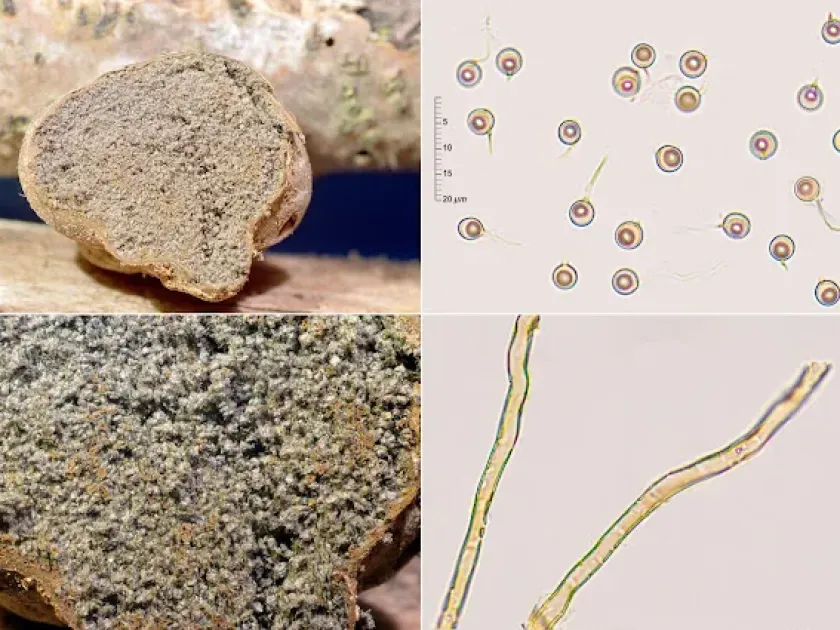
Description
Pathogen
Arachnion lloydianum is a species of fungus belonging to the Agaricaceae family. It is classified as a saprotrophic organism rather than a plant pathogen.
The fungus exists primarily within the soil profile, where it feeds on decaying organic matter. It does not infect living plant tissues, such as roots, stems, or leaves.
Its biological structure consists of small, globose fruiting bodies that release spores upon maturity. These spores are dispersed by environmental factors.
Unlike parasitic fungi, Arachnion lloydianum does not produce toxins that would damage crop physiology or inhibit plant development.
Agronomically, it functions as a decomposer, contributing to the nutrient cycling process by breaking down carbon-rich materials in the soil.
Conditions for development
The growth of this fungus is strictly dependent on the availability of organic substrates in the upper soil layers. High humidity levels are required for the fruiting bodies to emerge.
Optimal temperatures for development typically range between 15°C and 22°C. Shaded and protected environments provide the best conditions for mycelial expansion.
Agricultural practices that leave significant plant debris on the surface without proper incorporation can favor the presence of such saprotrophs.
Rainfall is a key factor in spore dissemination. Conversely, dry conditions and high UV exposure significantly inhibit the reproductive cycle of this fungus.
Soil management strategies that promote good aeration and balanced nutrient availability generally keep the population of this fungus within a normal ecological range.
Why it matters
There is no evidence to suggest that Arachnion lloydianum poses any threat to commercial crops. It is not an invasive or parasitic species.
Plants do not exhibit symptoms like wilting, lesions, or necrosis in the presence of this fungus. It does not compromise the health or yield of agricultural crops.
The economic impact of this organism on farming operations is negligible. It does not require any form of eradication in field or greenhouse conditions.
While it is part of the soil microbiome, it does not outcompete beneficial microflora or disrupt the root-zone environment of standard cultivars.
It is important to distinguish this saprotrophic mushroom from true pathogens that necessitate chemical control or protective interventions.
Protection
No control measures are needed for Arachnion lloydianum. Chemical fungicide applications would be ineffective and unnecessary for this soil-dwelling fungus.
Maintaining a healthy soil ecosystem through proper crop rotation and the correct incorporation of organic amendments is the recommended approach.
Monitoring the soil for overall microbial health, rather than specific saprotrophic species, is a more effective management strategy for any farm.
Ensuring proper drainage and avoiding excessive surface wetness can naturally regulate the moisture-dependent stages of the fungal life cycle.
Using certified agricultural practices helps in managing the organic content of the soil, ensuring that the soil remains productive and resistant to any potential issues.
Discussion
No discussions yet — be the first.