
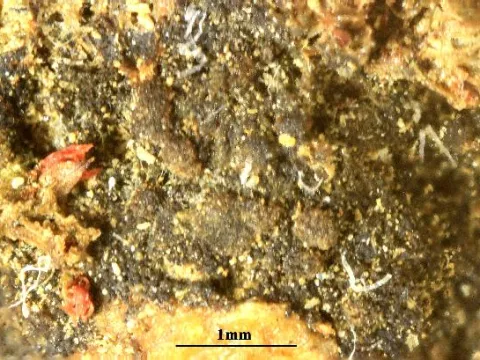
Aphanopsis coenosa
Aphanopsis coenosa
The causal agent of this disease is the fungus Aphanopsis coenosa, a pathogen that primarily targets the vascular system and cellular structure of its host plants. It belongs to a group of microorganisms capable of rapid colonization under appropriate conditions.
What the section contains
Aphanopsis coenosa
The life cycle of the pathogen involves the production of spores that facilitate wind-borne and rain-splashed dispersion across fields. Once in contact with the host tissue, the fungus penetrates through natural openings or mechanical wounds.
The fungus is highly persistent and can survive for extended periods in soil and on plant debris, serving as a primary inoculum for subsequent seasons. This makes Aphanopsis coenosa a significant challenge in continuous cropping systems.
By releasing specific enzymes and toxins, the pathogen weakens the host plant's immune response and disrupts nutrient transport. Genetic variability within the fungal population complicates the development of universally resistant plant varieties.
Laboratory diagnosis usually involves the isolation of the fungus and microscopic analysis of its reproductive structures. Understanding the biology of this pathogen is essential for designing effective quarantine and field management programs.
Symptoms of Aphanopsis coenosa infection typically begin as localized chlorotic spots on the foliage. Over time, these spots expand, darkening in color and turning into necrotic lesions with irregular edges.
A distinctive sign of the disease is premature wilting, which occurs despite adequate moisture availability. This indicates damage to the vascular bundles, preventing water and nutrients from reaching the upper parts of the plant.
Under humid conditions, a fine, fungal mycelium might become visible on the surface of the lesions. Root systems of infected plants often show signs of degradation, including discoloration, softening, and reduced root hair development.
Internal examination of the stem often reveals vascular browning, a clear indicator of the fungal colonization of the plant's internal conduits. These symptoms generally correlate with the systemic spread of the pathogen.
Affected plants often show significantly reduced vigor and stunted growth compared to healthy plants. In severe cases, the infected foliage may fall prematurely, leading to total defoliation and a collapse of the plant's photosynthetic capacity.
High humidity and consistent soil moisture are the most critical environmental drivers for the development of Aphanopsis coenosa. Persistent rainfall or excessive overhead irrigation significantly increases the risk of infection.
Optimal growth of the fungus occurs within a temperature range of 18°C to 24°C, which often coincides with the peak vegetative growth phase of many crops. Dense canopy structures limit air circulation, exacerbating moisture accumulation.
Poor crop rotation practices encourage the accumulation of fungal spores in the soil, leading to an increasing infection burden over time. Monoculture systems provide a continuous food source for the pathogen, sustaining high population levels.
Mechanical injuries caused by cultivation or insect feeding create entry points for the fungal spores. Once inside the plant, the fungus rapidly exploits the tissue, particularly when the host is stressed by nutrient imbalances.
Fluctuating temperatures and wet weather cycles facilitate the transition of the pathogen from a latent phase into an active infectious state. Preventive measures should be prioritized during these high-risk periods to mitigate potential outbreaks.
The agricultural impact of Aphanopsis coenosa is reflected in substantial yield losses, often ranging from moderate to severe. Both quantity and quality of the harvest are compromised due to the plant's reduced ability to fill seeds or fruit.
Infected produce is often unsuitable for market due to visible lesions or poor post-harvest storage quality. Secondary decay organisms frequently invade the damaged tissues, further accelerating product spoilage.
The disease forces farmers to change planting schedules or avoid certain crops in contaminated fields, disrupting overall farm planning and income. The necessity for repeated chemical interventions adds significantly to production costs.
Long-term soil contamination requires intensive management strategies to reclaim field productivity. The pathogen’s ability to persist over multiple years limits the choices for future crop cultivation on infected land.
Seedling mortality is another significant issue, as young plants may be killed before reaching maturity. This leads to poor crop stands, necessitating replanting and increasing labor and material costs for producers.
The primary control strategy involves strict crop rotation with non-host species to break the pathogen's life cycle. Deep burial or removal of plant debris is crucial for reducing the initial inoculum load in the field.
Systemic fungicides, when applied according to the manufacturer's guidelines, are effective in slowing the spread of the disease if applied at the early onset of symptoms. Rotating fungicide chemistries helps prevent the development of resistant fungal strains.
Utilizing disease-resistant cultivars is the most sustainable long-term solution. Planting only high-quality, treated seed minimizes the risk of introducing the pathogen into clean fields through contaminated material.
Optimizing plant spacing to ensure adequate air circulation helps maintain a drier microclimate, which is less favorable for fungal development. Balanced nutrition helps plants maintain their natural vigor and stress tolerance.
Proactive field monitoring and the identification of initial infection hotspots allow for localized management, preventing the spread of the disease across the entire plantation. Integrated pest management (IPM) practices provide a comprehensive framework for disease suppression.