
Aphelaria
Aphelaria
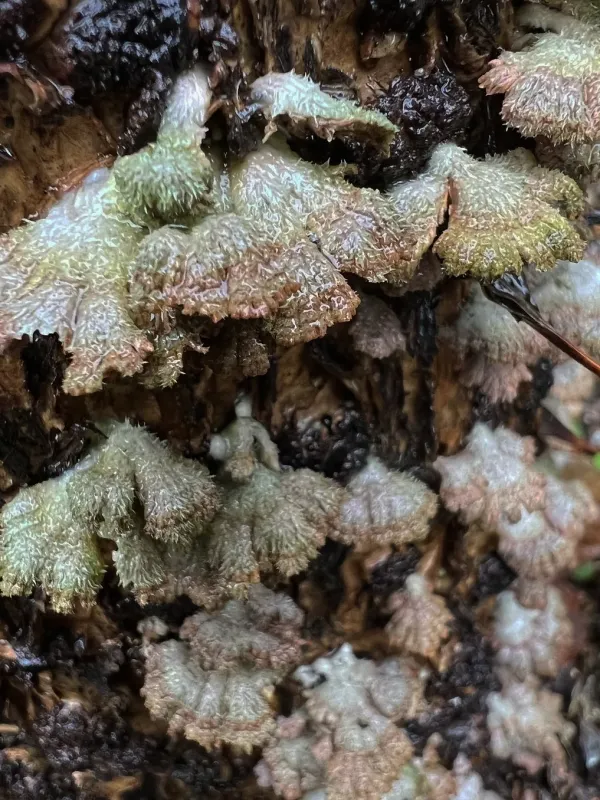
Description
Symptoms
The initial signs of Aphelaria include yellowing and discoloration of leaves, which subsequently turn brown and wither. These changes are often progressive, moving from individual branches to the entire plant.
Necrotic patches or lesions on the stems and branches are hallmark symptoms of the disease. In severe cases, the bark may split or show abnormal growth patterns, indicating long-term colonization.
Cross-sections of infected branches often reveal internal discoloration in the vascular ring, confirming the systematic nature of the infection and the blockage of transport vessels.
Affected plants typically exhibit stunted growth compared to healthy ones. This loss of vigor is usually accompanied by early leaf drop and the dieback of terminal shoots during the active growing season.
Under humid conditions, a fine, mycelial mat or fungal growth may appear on the surface of the infected areas, serving as a visible sign of spore production.
Pathogen
The disease is caused by the fungus Aphelaria, which belongs to the basidiomycetes group. This pathogen primarily targets various woody plant species, causing structural decay in the tissues of the host.
The fungus colonizes plant tissues by entering through wounds, pruning cuts, or natural openings. Once inside, the mycelium spreads through the vascular system, significantly hindering the flow of water and nutrients.
Reproduction occurs through spores, which are disseminated by wind, rain splashes, and insects. The life cycle of the pathogen is closely tied to environmental fluctuations, particularly moisture levels.
Aphelaria can survive for extended periods in fallen leaves and woody debris, which serves as the primary reservoir for infection in orchards and nurseries, making sanitation critical.
The fungus produces specialized enzymes that break down cell walls, leading to tissue necrosis and weakening the overall structural integrity of the affected plant parts.
Conditions for development
High humidity and poor air circulation are the primary drivers of Aphelaria development. Damp environments provide the necessary conditions for fungal spores to germinate and infect new tissue.
The pathogen thrives at temperatures between +18 and +25 degrees Celsius. These moderate temperatures accelerate mycelial growth and increase the frequency of infection cycles during the year.
Dense planting schemes that restrict airflow create microclimates where moisture persists on plant surfaces for long periods, greatly increasing the susceptibility of the plants to the fungus.
Mechanical injuries, whether from improper pruning or insect damage, act as entry points for the pathogen. Once a plant is wounded, it becomes significantly more vulnerable to infection.
Plants that are already stressed due to drought, nutritional deficiencies, or root damage are far more likely to succumb to the disease as their natural defense systems are compromised.
Why it matters
The primary harm caused by Aphelaria is the progressive decline of the host plant, often resulting in the death of significant portions of the crown or even the entire tree or shrub.
By compromising the plant's vascular system, the fungus prevents the proper distribution of resources, leading to severe nutritional stress and reducing the plant’s ability to survive harsh winters.
In fruit-bearing species, the infection significantly decreases yields. The quality and marketability of fruits are severely compromised, leading to major financial losses for growers.
In nursery settings, Aphelaria can be catastrophic, causing high rates of seedling mortality and requiring the disposal of large batches of otherwise viable plant material.
The disease requires intensive management, including costly fungicide applications and labor-intensive sanitation, which adds to the overall economic burden of farm operations.
Protection
Effective management begins with strict sanitation practices, including the regular removal and destruction of all infected plant materials to minimize the source of inoculum.
The application of systemic fungicides that target basidiomycete pathogens is recommended for managing severe outbreaks, especially when applied preventatively during high-risk seasons.
It is vital to maintain clean pruning tools by disinfecting them between cuts to prevent the mechanical transmission of the fungus from diseased to healthy plant tissues.
Enhancing plant health through proper fertilization and irrigation promotes natural resistance, making plants more robust against pathogen invasion throughout the growth cycle.
- Removal and burning of all infected branches;
- Regular monitoring and inspection of plant health;
- Maintaining proper spacing to ensure good airflow;
- Using pathogen-resistant cultivars where possible;
- Applying biological control agents at the first sign of infection.
Discussion
No discussions yet — be the first.