
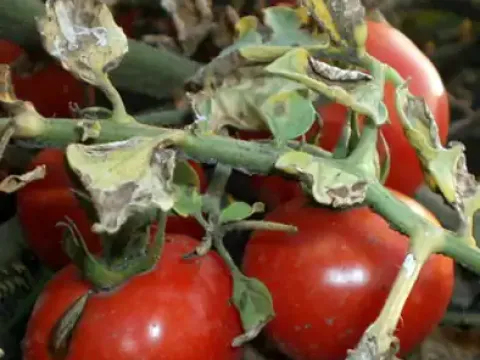
Tomato early blight
Alternaria tomato
The causal agent of early blight is the fungus Alternaria solani. This is a common and destructive pathogen that affects plants within the Solanaceae family, including tomatoes and potatoes.
What the section contains
Tomato early blight
The fungus overwinters as mycelium and conidia in infected plant debris, soil, and sometimes in seeds, making it a persistent threat in home gardens and commercial fields alike.
Under favorable conditions, the pathogen produces vast amounts of spores which are easily dispersed by wind, splashing rain, and irrigation water, leading to rapid infection.
It acts as a necrotrophic pathogen, secreting toxins that cause tissue death, which allows the fungus to continue colonizing the host plant systematically.
The lifecycle of the fungus is highly dependent on environmental factors, and it can complete several generations within a single growing season, leading to significant outbreaks.
Symptoms typically appear first on older, lower leaves as small, dark brown or black circular spots that gradually expand in diameter.
A hallmark of early blight is the appearance of concentric rings within the spots, creating a target-like pattern that is easily recognizable by experienced growers.
Surrounding the infected area, chlorotic (yellow) tissue often develops, and as the spots merge, entire leaflets may wither, dry out, and eventually drop off.
Stem infections can occur, manifesting as dark, sunken lesions that may weaken the plant structure, causing stems to snap under heavy fruit loads or strong winds.
Fruit symptoms typically appear near the stem attachment, characterized by sunken, dark, leathery spots that eventually become covered with a black, fuzzy mass of spores.
Early blight thrives in warm, humid conditions. The optimal temperature range for fungal development is between 25°C and 28°C, combined with prolonged leaf wetness.
Rainy weather, high humidity, and heavy dews provide the necessary moisture for the germination of fungal conidia on the leaf surface.
In greenhouse environments, poor ventilation leading to stagnant, humid air creates an ideal microclimate for the rapid spread of the disease.
Plants that are stressed due to nutrient deficiencies, especially nitrogen starvation, or that are bearing heavy fruit sets are significantly more susceptible to infection.
Warm nights followed by humid days facilitate the aggressive sporulation of Alternaria solani, accelerating the progression of the disease across the crop.
The disease causes premature defoliation, which severely reduces the photosynthetic capacity of the plant and leads to stunted growth and smaller fruit size.
Fruit quality is greatly compromised; infected tomatoes lose their marketability and are prone to secondary rot, making them unsuitable for storage or sale.
Severe infestations can lead to massive yield losses, sometimes reaching up to 50% of the potential harvest if control measures are not implemented promptly.
The accumulation of inoculum in the soil creates a long-term problem for the field, necessitating strict adherence to crop rotation and site sanitation protocols.
Ultimately, the loss of foliage exposes the fruit to sunscald, further diminishing the overall quantity and quality of the harvest throughout the season.
Implementing a strict 3–4 year crop rotation schedule away from other solanaceous crops is the most effective cultural practice to manage soil-borne inoculum.
Sanitation is paramount; all diseased plant material should be removed from the field and destroyed (burned or buried) at the end of the season to reduce overwintering spores.
- Choose resistant or tolerant tomato varieties when available.
- Improve air circulation by proper spacing and regular pruning of lower leaves.
- Use mulch to create a barrier between the soil and the foliage.
- Apply balanced fertilization to ensure plant vigor and resilience.
Fungicide applications, including protective copper-based sprays or systemic fungicides like difenoconazole, are essential during high-risk weather conditions.
Biological control agents, such as Bacillus subtilis formulations, can be used preventatively to inhibit fungal growth and boost the plant's natural defenses.