
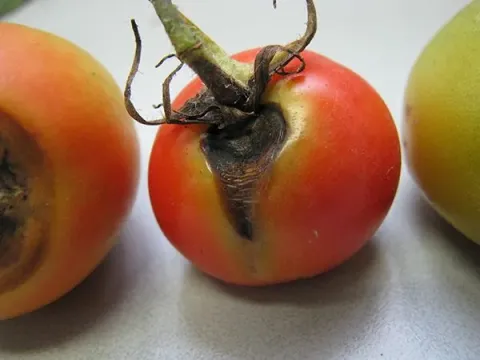
Tomato early blight
Alternaria linariae
The causal agent of early blight is the fungus Alternaria linariae (formerly known as Alternaria solani), a widespread pathogen that significantly impacts solanaceous crops.
What the section contains
Tomato early blight
The fungus survives in soil, infected plant debris, and occasionally on seeds as mycelium or conidia, remaining viable throughout the winter months.
During the growing season, conidia are dispersed by wind, rain splashes, and irrigation water, facilitating the rapid spread of the disease within the field.
The pathogen primarily affects plants in the Solanaceae family, including tomatoes, potatoes, peppers, and eggplants, as well as various wild solanaceous weeds.
The fungus penetrates the plant tissue through stomata or wounds, subsequently producing toxins that cause necrotic lesions and weaken the plant's structural integrity.
The initial symptoms typically appear on the lower, older leaves as small, dark, circular spots that eventually expand to form characteristic concentric rings.
As the infection progresses, the lesions often develop a velvety, olive-black appearance, which indicates the active production of fungal spores on the leaf surface.
Stem lesions can also develop, often appearing as elongated, dark-colored cankers that may eventually girdle the stem, causing the plant to wilt and collapse.
Fruit infections often begin at the stem end, manifesting as dark, sunken, leathery spots that gradually enlarge and can cover a significant portion of the fruit.
Under favorable high-humidity conditions, the entire fruit can rot, becoming completely unmarketable and serving as a new source of inoculum.
Early blight thrives in warm conditions with temperatures ranging from 20°C to 30°C (68°F–86°F), which are ideal for rapid fungal reproduction.
High relative humidity, frequent rainfall, heavy dew, or prolonged periods of leaf wetness are critical factors that promote spore germination and infection.
Poor ventilation in greenhouses and dense plant spacing create a stagnant, humid microclimate that significantly accelerates the spread of the pathogen.
Nutrient deficiencies, particularly low potassium or nitrogen levels, stress the plants and make them much more susceptible to the fungal invasion.
The incubation period of the disease is relatively short, usually ranging from 3 to 7 days, depending on environmental favorability and host resistance levels.
The primary impact of early blight is the severe reduction of the photosynthetic leaf area, which leads to stunted plant growth and significantly lower yields.
Premature defoliation caused by the disease exposes the fruit to direct sunlight, increasing the risk of sunscald and further degrading fruit quality.
Yield losses can be substantial, often reaching 50% or more in commercial operations if the disease is not managed through effective preventative measures.
Infected fruits are prone to secondary rot infections during storage and transport, leading to significant economic losses for farmers and retailers alike.
The persistence of the pathogen in the soil means that the disease can reappear in subsequent years if proper crop rotation practices are not strictly followed.
Crop rotation is the most effective cultural practice; avoid planting solanaceous crops in the same field for at least three to four consecutive years.
Sanitation is crucial; remove and destroy all infected plant debris immediately after harvest to minimize the population of overwintering fungal spores.
Fungicide applications, including copper-based products or systemic fungicides like strobilurins, should be initiated at the first sign of disease symptoms.
Promote plant health by maintaining adequate spacing to improve air circulation and ensuring that plants receive balanced fertilization for better immunity.
- Utilize disease-resistant tomato hybrids
- Use certified, pathogen-free seeds
- Practice drip irrigation to keep foliage dry
- Remove volunteer weeds from the solanaceous family