
Spirillum volutans
Spirillum volutans
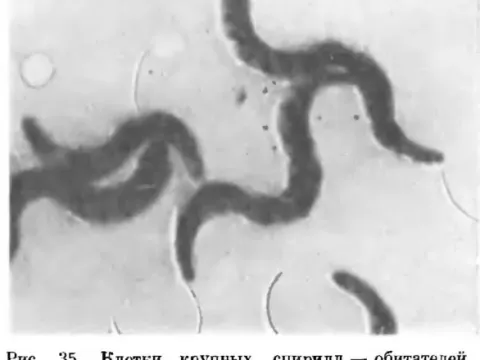
Spirillum volutans is a species of large, spiral-shaped bacteria that are typically found in stagnant freshwater environments.
What the section contains
Spirillum volutans
These organisms are known for their distinct motility provided by tufts of flagella located at both poles of the bacterial cell.
Biologically, Spirillum volutans acts as a saprophyte, feeding on decaying organic matter rather than infecting living plant tissues.
The bacterium contains granules of volutin, which serve as intracellular energy reserves, distinguishing it from other aquatic species.
As a non-pathogenic bacterium, it poses no threat to agricultural crops and should not be considered a disease agent in farming.
The development of these bacteria is strictly linked to microaerophilic conditions where oxygen levels are significantly lower than in the atmosphere.
They thrive in environments rich in dissolved organic carbon, which is essential for their heterotrophic metabolism.
Temperature plays a crucial role in their life cycle, as they are adapted to the stable climate of stagnant water bodies.
High population densities are usually observed in areas with high decomposition rates of aquatic vegetation or organic waste.
They are generally found in neutral or slightly alkaline water, where chemical conditions support their complex motility mechanisms.