
Spiroplasmosis
Spirochaetales
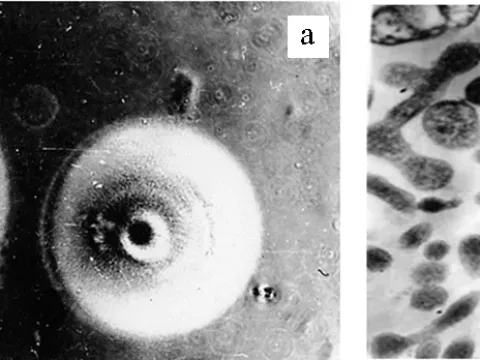
Spiroplasmosis is caused by bacteria from the class Mollicutes, specifically the genus Spiroplasma. These pathogens are unique because they lack a cell wall, which makes them highly dependent on their host environment and sensitive to external conditions.
What the section contains
Spiroplasmosis
The pathogen resides in the phloem tissue of host plants. By colonizing these transport vessels, spiroplasmas effectively interfere with the distribution of nutrients and water, leading to systemic physiological collapse.
Spiroplasmas are transmitted by phloem-feeding insects, such as leafhoppers. The pathogen replicates within the insect vector, meaning the insect remains infectious for its entire life after acquiring the bacteria.
The helical shape of the Spiroplasma bacteria allows for motility within the plant's vascular system, enabling the infection to spread rapidly from the initial inoculation point to other parts of the plant.
Because these bacteria cannot survive independently in the soil or decaying plant material, the survival of the pathogen is entirely reliant on living host plants and insect vectors during the off-season.
One of the most noticeable symptoms of spiroplasmosis is severe stunting. Infected plants often fail to reach their full height, and their internodes are significantly shortened compared to healthy specimens.
Chlorosis is a hallmark of this disease. Leaves may turn pale yellow, or develop distinctive red or purple discoloration, especially along the leaf margins, which eventually progresses to necrosis.
Plants often exhibit abnormal growth patterns, such as excessive branching or a "witches' broom" effect. This deformed growth is a direct result of the pathogen disrupting the hormonal balance within the plant tissues.
Reproductive success is severely compromised. In affected crops like corn, the disease causes barren stalks, deformed ears, or the failure to produce viable grain, leading to substantial yield reductions.
Flowers may exhibit malformations or premature senescence, preventing fertilization. These visual symptoms make infected plants stand out significantly in a field, even at early stages of development.
The spread of spiroplasmosis is fundamentally linked to the presence and activity of insect vectors. Warm, dry weather conditions typically accelerate the life cycle and migration of these insects, increasing transmission rates.
Reservoir hosts, such as perennial weeds surrounding the fields, are critical for the persistence of the disease. These plants harbor the bacteria during winter or fallow periods, serving as a continuous source of inoculum.
High-density planting and poor ventilation within the crop canopy can create a more favorable microclimate for vectors, increasing the likelihood of rapid disease transmission across the field.
Movement of infected insect populations from adjacent fields or non-crop areas is the primary route for new infections. The timing of insect migration is often the most critical factor in determining the severity of an outbreak.
Agricultural practices that promote weed growth or delay the cleaning of field margins contribute directly to the maintenance of the disease cycle by providing habitats for vector populations.
The economic impact of spiroplasmosis can be devastating, with potential yield losses reaching 100% in highly susceptible varieties. The total loss of crop marketability is common in severe cases.
Beyond quantity, the quality of the harvested product is severely diminished. Grains or fruits from infected plants often lack nutritional value, exhibit small size, or have poor storage characteristics.
Infected crops show increased susceptibility to secondary infections. The weakened physiological state of the plant makes it an easy target for opportunistic fungi and bacteria, further complicating the symptoms.
Long-term harm includes the restriction of land use for specific crops. When a region becomes endemic for spiroplasmosis, farmers may be forced to switch to less profitable varieties or stop production of the susceptible crop entirely.
Costs associated with disease management, including intensive insecticide programs and frequent field scouting, add significant financial burdens to farming operations without guaranteeing total eradication.
Effective control of spiroplasmosis requires an integrated approach focusing on vector management. Regular scouting and the application of systemic insecticides are essential to reduce vector populations before they transmit the pathogen.
Cultural practices, such as the elimination of weed hosts around field margins, are vital to break the disease cycle. Reducing the reservoirs of infection significantly lowers the risk to the main crop.
The use of resistant or tolerant cultivars is the most sustainable long-term solution. Breeding programs focusing on resistance to either the pathogen or the vector provide the best protection for large-scale production.
Spatial and temporal isolation of fields can help prevent the rapid spread of the disease. Planting crops away from known hotspots of infection minimizes the probability of vector-mediated transmission.
- Monitor vector populations using yellow sticky traps regularly.
- Use only certified, disease-free seeds and planting materials.
- Implement strict sanitation by removing infected plants immediately.
- Establish barrier zones to reduce insect migration into fields.