
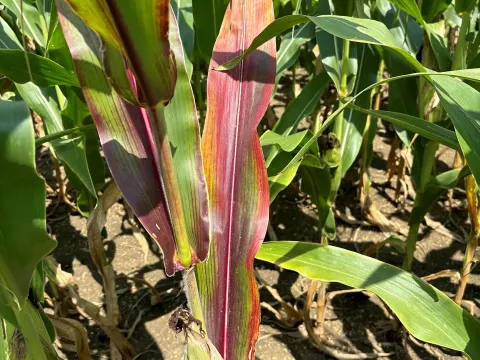
Spiroplasmosis
Spirochaetaceae
Spiroplasmosis is a systemic plant disease caused by the Spiroplasma genus, which are specialized bacteria belonging to the class Mollicutes. These pathogens are characterized by the absence of a cell wall, allowing them to assume various shapes, including helical forms when motile.
What the section contains
Spiroplasmosis
The bacteria primarily colonize the plant's phloem, the tissue responsible for transporting sugars and other nutrients. By disrupting this transport mechanism, the pathogen interferes with the plant's metabolism, leading to stunted growth and various physiological abnormalities.
The biological cycle of the pathogen is inextricably linked to insect vectors, primarily leafhoppers. The bacteria reside and multiply within the insect's body, which serves as a reservoir, allowing for efficient transmission during the insect's feeding process.
Unlike many other plant-pathogenic bacteria, Spiroplasma species can be cultured on artificial media in laboratory settings. This capability has facilitated extensive research into their sensitivity to specific antibiotics and environmental stress factors.
There is significant genetic diversity within the genus, with different species of Spiroplasma exhibiting host specificity, targeting a broad range of crops including citrus, corn, and various fruit trees.
One of the hallmark symptoms of spiroplasmosis is severe plant stunting. Infected plants exhibit shortened internodes and a bushy appearance, as the normal hormonal signaling required for proper development is compromised by the bacterial infection.
Chlorosis, or yellowing, of the leaves is a common diagnostic sign. This discoloration often begins along the leaf margins or occurs in patches between veins, reflecting the reduced efficiency of the plant's photosynthetic machinery.
Infected plants frequently display reproductive anomalies. Flowers may be deformed, fail to open, or drop prematurely. If fruits do develop, they are typically undersized, distorted, and often suffer from poor taste and texture, significantly reducing marketability.
Due to the clogging of the phloem vessels by the bacterial population, the plant's ability to maintain water balance is hindered. Consequently, infected plants show signs of wilting even when soil moisture levels are adequate.
Typical visual indicators include
- excessive branching;
- small, deformed foliage;
- necrosis of the conductive tissue;
- overall lack of vigor and delayed maturity.
The spread of spiroplasmosis is almost entirely dependent on the presence and activity of insect vectors. Warm and dry climates often favor the population growth and migration of leafhoppers and other sap-sucking insects, increasing disease incidence.
Alternative hosts are crucial for the pathogen's survival. Many weeds act as asymptomatic reservoirs, maintaining the Spiroplasma population in the field during the off-season or when the main crop is absent.
The timing of vector infestation relative to the crop's development stage is a key factor in the severity of the disease. Early-season infestation typically results in more significant yield loss compared to later-stage exposure.
Inadequate sanitation practices, such as allowing weed growth around field margins, create persistent sources of infection that facilitate the movement of vectors into the crop canopy.
Modern farming practices that involve high-density planting without proper pest monitoring can create an environment conducive to rapid pathogen dispersal within the field.
Spiroplasmosis causes substantial economic losses by drastically reducing crop yields. In severe cases, the entire harvest may be rendered unsalable due to poor quality, small fruit size, and lack of uniformity.
For cereal crops, the disease impacts the development of the grain, resulting in lower test weights and diminished grain quality, which limits its value for food processing and marketability.
The systemic nature of the infection means that once a plant is colonized, it cannot be cured, and the damage to the conductive system is irreversible. This necessitates the rogueing of infected plants to limit further spread.
Increased susceptibility to secondary pathogens is another common consequence of spiroplasmosis. The weakened plant, struggling with nutrient transport, often succumbs to opportunistic fungal or bacterial infections.
In orchards and vineyards, the disease poses a long-term threat, often requiring the removal of infected trees and a multi-year investment to establish new, healthy plantings.
Effective management focuses heavily on the integrated control of insect vectors. The timely application of systemic insecticides is necessary to minimize the feeding of leafhoppers and prevent the initial transmission of the pathogen.
Rigorous sanitation programs, including the removal of weeds and infected host plants from the field, are essential to break the infection cycle and eliminate the primary reservoirs of the bacteria.
The use of high-quality, certified, disease-free planting material is the first line of defense. Ensuring that propagation material is free from the pathogen is critical for both annual and perennial crops.
Establishing spatial isolation between existing infected orchards and new plantings helps reduce the risk of vector-borne transmission, especially in regions with high disease prevalence.
Long-term strategies rely on the breeding and deployment of resistant or tolerant cultivars. Selecting plants with traits that discourage vector colonization can significantly reduce the need for chemical interventions.