
Spiroplasmosis of plants
Spirochaetes
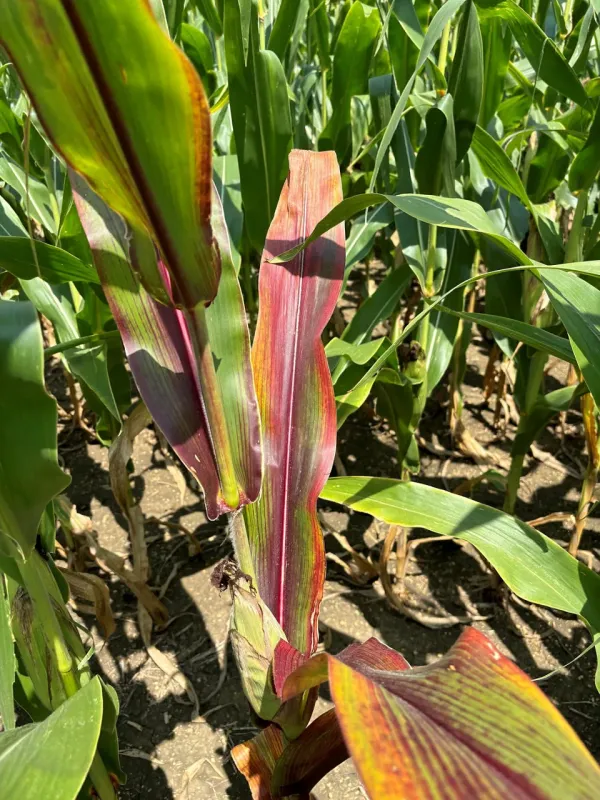
Description
Symptoms
One of the hallmark symptoms of spiroplasmosis is stunted growth, where the internodes of the plant become significantly shortened compared to healthy specimens.
Leaf deformation is common; leaves may become smaller, narrow, or show severe chlorosis. In some cases, the plants develop a bushy appearance due to the proliferation of secondary buds.
Fruits and grains often show signs of poor development, appearing distorted or undersized. In citrus crops, this disease is responsible for the characteristic "stubborn" fruit condition.
Root system decline is frequently observed, as the plant fails to transport enough carbohydrates to the roots, leading to reduced nutrient uptake and general plant weakening.
Overall, affected plants often display premature senescence and may eventually collapse as the systemic infection impairs the plant's ability to maintain homeostasis.
Pathogen
The causative agents of this disease are Spiroplasma species, which are helical, motile bacteria belonging to the class Mollicutes. Unlike most plant pathogens, they lack a cell wall.
Spiroplasmas are phloem-limited pathogens, meaning they colonize the nutrient-transporting sieve tubes of the host plant. They interfere with plant physiological processes, causing systemic malfunctions.
The biological cycle of these pathogens is closely linked to specific insect vectors, primarily leafhoppers. The pathogen multiplies within the vector's salivary glands before being transmitted to new hosts.
Spiroplasmas are sensitive to specific antibiotics, such as tetracyclines, but chemical control is rarely effective under field conditions, making biological and agricultural control essential.
These organisms exhibit high host specificity, meaning that different strains of Spiroplasma have evolved to infect particular families of plants, such as citrus or various grains.
Conditions for development
Disease outbreaks are highly dependent on the population dynamics of insect vectors. Warm, dry weather conditions usually favor the flight and feeding activity of leafhoppers.
The transmission process is most efficient when high numbers of infected vectors migrate from wild host plants to agricultural crops during critical growth stages.
The movement of contaminated nursery stock is the primary cause of long-distance dissemination. Since the pathogen resides within the plant tissues, it is easily transported worldwide.
Weed species act as critical reservoirs for the pathogen, allowing it to survive between crop seasons and providing a source of inoculum for newly planted crops.
High nitrogen fertilization may sometimes increase plant attractiveness to sucking insects, thereby inadvertently facilitating the spread of the pathogen within the field.
Why it matters
The economic impact of spiroplasmosis is severe, often resulting in significant yield losses, reduced fruit quality, and the eventual death of affected perennials.
Affected crops fail to reach marketable standards, leading to financial losses for producers and potential trade restrictions in international markets.
In orchards, trees infected with spiroplasmas exhibit long-term productivity decline, eventually necessitating the removal and destruction of the entire plantation.
By compromising the plant's nutritional balance, spiroplasmosis increases susceptibility to secondary infections and environmental stresses like drought or heat.
The inability to eradicate the pathogen once established in a perennial host makes this disease one of the most challenging threats to specific fruit industries.
Protection
The use of certified, disease-free planting material is the most important prophylactic measure to prevent the introduction of spiroplasmosis into clean areas.
Effective management requires rigorous vector control, including the application of systemic insecticides at the first sign of leafhopper migration.
Sanitation practices, such as the removal of infected plants, help to reduce the primary inoculum load in the field and protect healthy crops from further infection.
- Regular monitoring of insect vectors using yellow sticky traps.
- Effective weed control in and around fields to eliminate alternate hosts.
- Quarantine regulations to prevent the movement of infected plant parts.
Developing and deploying resistant or tolerant cultivars remains the most sustainable long-term strategy for managing spiroplasmosis in intensive agriculture.
Discussion
No discussions yet — be the first.