
Spiroplasmosis
Spiroplasma
Description
Symptoms
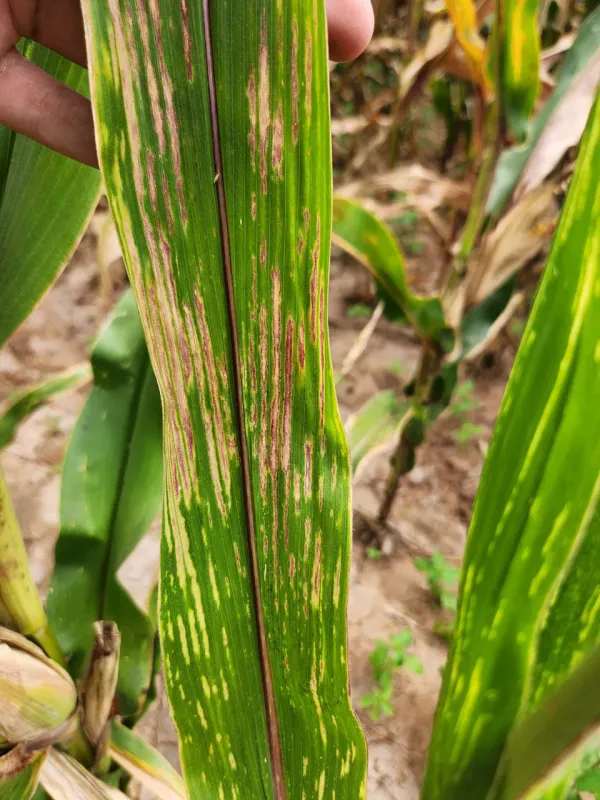
A primary diagnostic sign of spiroplasmosis is severe stunting. Infected plants exhibit significantly shortened internodes, which often leads to a bushy, rosette-like appearance that clearly distinguishes them from healthy specimens in the same field.
Foliage symptoms are distinct and involve systemic chlorosis or yellowing. In many cases, leaves become malformed, curled, or show signs of premature senescence, reflecting the plant's inability to maintain normal metabolic functions due to vascular blockage.
Reproductive growth is drastically impaired. Plants may fail to flower, produce malformed fruits, or suffer from severe grain fill issues, as seen in maize where ears are often small, sparse, or entirely empty of kernels.
The root system is also adversely affected, often displaying reduced biomass and increased susceptibility to secondary infections or environmental stress. The plant's overall vitality declines, often culminating in premature death.
Because symptoms can mimic nutritional deficiencies or other viral infections, definitive diagnosis often requires advanced laboratory techniques such as ELISA or PCR to confirm the presence of the Spiroplasma DNA or antigens.
Pathogen
The disease is caused by microorganisms of the genus Spiroplasma, which are helical-shaped bacteria belonging to the class Mollicutes. Lacking a rigid cell wall, these pathogens are highly flexible and motile, allowing them to traverse the phloem of host plants efficiently.
These bacteria colonize the sieve elements of the plant's phloem, which serves as their primary habitat and food source. Because they cannot survive long outside a host, their existence is entirely dependent on the colonization of living tissues.
Transmission occurs exclusively via insect vectors, most notably leafhoppers (Cicadellidae). The pathogen has a specific life cycle within the vector, requiring a period of multiplication before the insect can successfully transmit the bacteria to a new host.
Once introduced into the plant by the feeding insect, the bacteria multiply rapidly and systemically move throughout the vascular system, interfering with the plant’s nutrient translocation processes.
Research indicates that Spiroplasma species are highly adapted to their hosts, with different strains targeting specific crops such as citrus (Spiroplasma citri) and maize (Spiroplasma kunkelii), causing significant biological disruptions.
Conditions for development
The spread of spiroplasmosis is fundamentally driven by the presence and activity of insect vectors. The population density of leafhoppers is the most critical variable in determining the severity of an outbreak.
Favorable weather conditions, specifically hot and arid climates, accelerate the life cycles of both the insect vectors and the pathogens. Increased temperatures promote more frequent feeding by vectors, leading to a higher rate of pathogen transmission.
The presence of perennial weeds acting as asymptomatic reservoirs is a major risk factor. These weeds allow the pathogen to persist in the ecosystem during periods when the primary host crop is not being cultivated.
Agricultural practices that promote intensive monocropping facilitate the rapid buildup of both the pathogen and the vector populations. This lack of crop diversity removes natural barriers to pest migration and promotes epidemic development.
Stressors such as improper irrigation or nutrient imbalance can weaken plant defenses, making them more susceptible to colonization once an infected vector begins feeding on them.
Why it matters
Spiroplasmosis is a highly destructive disease capable of causing severe economic losses. In heavily infested areas, yields of susceptible crops like maize or citrus can be decimated, resulting in substantial financial hardship for growers.
The disease severely compromises the quality of harvestable products. Deformed fruits and low-quality grains are typically unsellable, forcing producers to discard large portions of their harvest, which reduces overall profitability.
For perennial crops, the impact is chronic and long-term. Infected trees may remain unproductive for years, eventually requiring expensive removal and replacement, which disrupts the long-term economic model of an orchard.
The disease also triggers strict quarantine regulations. Restrictions on the movement of nursery stock and produce from affected regions create significant logistical hurdles and trade barriers for local agricultural industries.
The high cost of continuous monitoring and intensive chemical control measures increases the total input costs, putting smaller farms at a distinct competitive disadvantage in global markets.
Protection
Effective management focuses primarily on the control of insect vectors. Regular applications of systemic insecticides are necessary to suppress leafhopper populations and minimize the probability of pathogen transmission to healthy plants.
Sanitation is a vital component of prevention. Rigorous weed control programs in and around fields are essential to remove alternative hosts and eliminate the reservoirs that allow the disease to persist year after year.
The development and utilization of resistant or tolerant crop varieties represent the most sustainable approach to long-term management. Breeding programs continue to prioritize traits that inhibit Spiroplasma colonization.
Stringent phytosanitary inspections of planting material are mandatory to prevent the introduction of infected stock into clean zones. Quarantine measures are essential to stop the geographic spread of the disease.
Integrated Pest Management (IPM) strategies, which include spatial isolation, crop rotation, and predictive monitoring of vector movement, are crucial for maintaining the health of agricultural systems and mitigating the impact of spiroplasmosis.
Discussion
No discussions yet — be the first.