
Spiroplasmosis
Spiroplasmataceae
Description
Symptoms
The primary symptom of spiroplasmosis is a systemic inhibition of plant growth. Infected specimens often exhibit stunted development with shortened internodes, giving the plant an unnaturally bushy or rosette-like appearance that significantly limits its overall biomass production.
The foliage undergoes substantial changes: chlorosis is a frequent manifestation, starting from the leaf margins or progressing along the veins. In some cases, the infection leads to leaf curling and discoloration, with leaves turning reddish or purplish due to the accumulation of secondary metabolites.
Reproductive organs are equally affected, resulting in flower and fruit abortion. Common symptoms include a partial or total lack of fruit set, while any developing fruit remains small, deformed, and commercially unmarketable, failing to reach maturity.
In perennial woody plants, such as citrus, spiroplasmosis causes shoot dieback and thinning of the canopy. Over time, the plant loses productivity as the vascular system becomes blocked, eventually leading to the death of the entire tree over several years.
The root system of infected plants also deteriorates, showing reduced vigor and limited secondary root formation. This compromised root system hinders the plant's ability to absorb water and nutrients, exacerbating the visible stress symptoms seen in the canopy.
Pathogen
The disease is caused by specialized microorganisms within the family Spiroplasmataceae, belonging to the class Mollicutes. Unlike typical bacteria, these pathogens lack a cell wall, allowing them to assume various pleomorphic shapes and easily penetrate plant cells.
Spiroplasmas are obligate parasites that colonize the sieve tubes of the plant's phloem. By feeding on photosynthates, they disrupt the normal transport of carbohydrates, causing severe metabolic imbalances throughout the entire plant organism.
A distinctive biological feature of spiroplasmas is their ability to exhibit helical motility, which gives the group its name. This movement is essential for their colonization of the host's vascular system, allowing them to navigate within the phloem sap effectively.
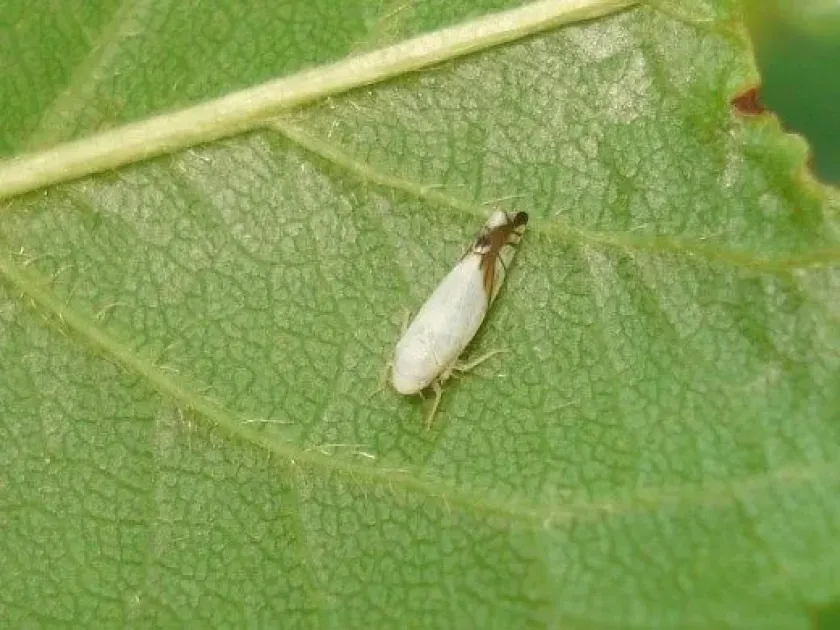
Transmission occurs exclusively through specific insect vectors under natural conditions. Leafhoppers are the most common vectors, within which the spiroplasma undergoes a full developmental cycle, including replication in the insect's salivary glands before transmission.
Once an insect vector acquires the pathogen by feeding on an infected plant, it enters an incubation period. After this duration, the insect becomes a permanent carrier, capable of transmitting the spiroplasma to healthy plants throughout the remainder of its lifespan.
Conditions for development
The spread of spiroplasmosis is directly correlated with the population density of insect vectors in the agroecosystem. Favorable climatic conditions, characterized by warm and arid periods, accelerate the metabolism of leafhoppers and significantly increase their migratory activity.
The presence of infection reservoirs near agricultural fields greatly increases the risk of an outbreak. Weed species that serve as alternative hosts for spiroplasmas can maintain the pathogen in the environment for long periods, bridging the gap between growing seasons.
Temperature plays a crucial role in the multiplication of the pathogen within the plant host. The optimal temperature range for the development of most spiroplasma species is between 25 and 30 degrees Celsius; lower temperatures significantly impede bacterial activity.
Agronomic practices, such as failing to manage weeds on field edges or headlands, create ideal breeding grounds for vectors. Higher biodiversity of weed species often correlates with a longer persistence of spiroplasmosis in the local area.
Irrigation and fertilization regimes may indirectly influence disease spread. Plants under stress due to nutrient deficiencies or improper water management are more susceptible to colonization by pathogens transmitted by insect vectors.
Why it matters
Spiroplasmosis poses a severe threat to agriculture because it cannot be treated with standard antibiotics or fungicides. Once infected, a plant remains a permanent reservoir for the pathogen throughout its entire growth cycle.
Economic losses are driven by substantial reductions in yield, which can reach 50 to 80 percent in affected fields. Beyond the loss of quantity, the catastrophic decline in product quality often makes the harvest completely unmarketable.
In nursery production, spiroplasmosis can lead to the total loss of plant material. Infected seedlings transplanted to new sites rapidly spread the pathogen, making it impossible to utilize infected clonal material for establishing new orchards or plantations.
Infection of perennial crops necessitates the removal and destruction of affected trees, as no cure exists. This results in the premature loss of productive assets and requires massive capital investment for the replanting and restoration of the farming operation.
The disease can trigger a cascade effect, weakening the overall immune response of the agroecosystem. Infected plants become increasingly susceptible to secondary fungal and bacterial infections, which further complicates diagnosis and effective crop protection.
Protection
The primary control measure for spiroplasmosis is rigorous phytosanitary inspection of all planting material. Utilizing only certified, disease-free seedlings and monitoring stock for the presence of phytoplasmas and spiroplasmas is the cornerstone of prevention.
Continuous monitoring of leafhopper populations using color-coded sticky traps is essential. When pest populations exceed economic thresholds, applying broad-spectrum insecticides is necessary to suppress vector numbers and limit further spread.
Effective weed management around fields and within orchard rows is critical, as weeds often act as primary reservoirs for the pathogen during the off-season. Maintaining clean fields significantly reduces the risk of insect migration into the crop.
Upon detection of initial symptoms, immediate removal and destruction of infected plants by burning are required. This containment strategy is vital to prevent the secondary spread of the pathogen within the orchard or field.
Breeding and planting resistant or tolerant cultivars represent the most promising long-term strategy for protection. Modern agronomic practices also favor spatial isolation of new plantations from older, known infected sites to prevent cross-contamination.
Discussion
No discussions yet — be the first.