
Rhodococcus infection
Rhodococcus equi
The primary symptom of Rhodococcus fascians infection is fasciation, where plant tissues undergo abnormal proliferation, resulting in thickened, distorted stems and shoots.
What the section contains
Rhodococcus infection
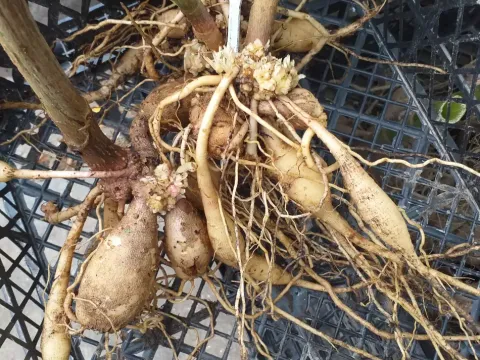
Infected plants often develop numerous short, stunted branches clustered at the base, commonly referred to as leafy galls or witches' brooms.
Floral structures frequently become malformed, smaller in size, or take on green, leaf-like appearances, which significantly impairs the plant's aesthetic value.
Growth is usually severely stunted, as the pathogen interferes with the plant's hormonal balance, specifically disrupting cytokinin levels responsible for cell development.
In addition to morphological changes, infected plants often exhibit chlorosis and poorly developed root systems, leading to a general decline in plant health and vigor.
The disease is caused by the Gram-positive soil-borne bacterium Rhodococcus fascians, which is classified as a phytopathogenic agent.
This bacterium has a broad host range, affecting a wide variety of plants including ornamentals, vegetables like tomatoes, and berry crops like strawberries.
The pathogen enters the plant through wounds or natural openings, colonizing the extracellular spaces of epidermal tissues to establish infection.
Pathogenicity is attributed to the bacterium's ability to secrete modified cytokinins, which hijack the host plant's regulatory systems to trigger uncontrolled tissue growth.
Rhodococcus fascians can survive for extended periods in soil or on plant debris, acting as a persistent reservoir for future infections in the field or greenhouse.
The development of the infection is highly favored by high humidity and moist soil conditions, which facilitate the movement of bacteria across plant surfaces.
Ideal temperatures for bacterial growth range between +20 and +28 degrees Celsius, matching the active growth phases of most cultivated plants.
Transmission occurs through contaminated propagation materials, unsanitized pruning tools, and the splashing of infested water during overhead irrigation.
Mechanical injuries to plant tissues provide easy entry points for the pathogen, significantly increasing the probability of successful colonization.
Poor ventilation and overcrowded planting conditions create a conducive microclimate that promotes the rapid spread of the bacteria among healthy plants.
The economic impact of Rhodococcus infection is severe in ornamental horticulture, where affected plants lose all aesthetic and commercial value.
For vegetable crops, the infection leads to substantial yield losses as the plant redirects metabolic resources toward abnormal gall formation instead of fruit production.
Berry crops, such as strawberries, suffer from reduced berry size and poor quality, making the produce unsuitable for market sale or human consumption.
Because the disease can remain latent for some time, it often spreads unnoticed throughout a nursery, potentially destroying entire batches of healthy stock.
The persistence of the pathogen in the soil means that once an area is infested, it can pose a long-term threat to subsequent crop cycles if not managed.
The most effective strategy is the use of disease-free, certified planting material sourced from reputable and inspected nursery facilities.
Promptly rogue out and destroy all infected plants, including their root zones, to prevent the pathogen from accumulating and spreading in the soil.
Sterilize all cutting tools and equipment using appropriate disinfectants between uses to prevent mechanical transmission of the bacteria from plant to plant.
Implement proper crop rotation practices, avoiding susceptible host plants in the same area for several years to break the infection cycle.
- Improve greenhouse ventilation to lower relative humidity.
- Minimize mechanical damage during cultivation.
- Avoid overhead irrigation where bacterial buildup is suspected.