
Paratylenchus projectus
Paratylenchus projectus
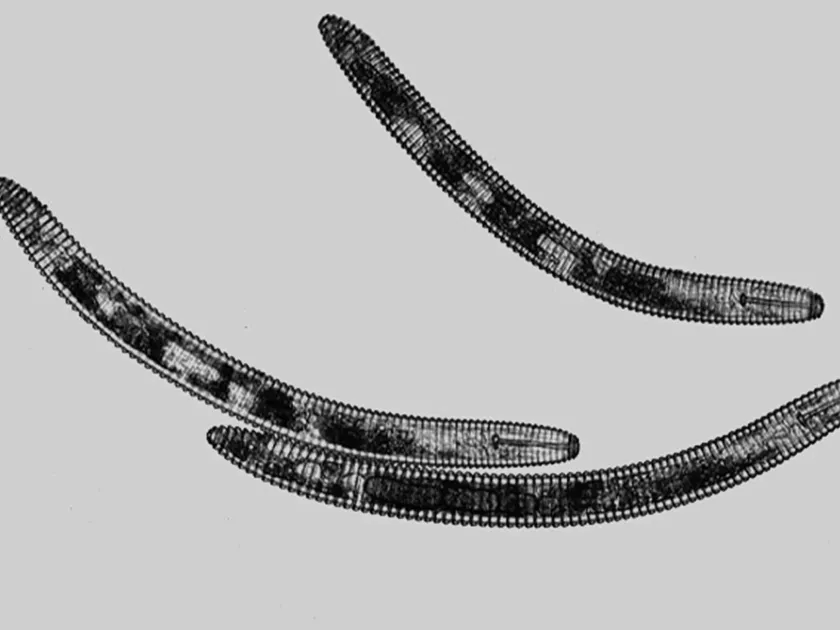
Description
How to identify
Paratylenchus projectus is a species of plant-parasitic nematode belonging to the family Tylenchidae. These nematodes are recognized as migratory ectoparasites that feed on the root surfaces of a wide variety of plant species.
The adult nematodes are minute, typically measuring between 0.3 and 0.5 mm in length. Due to their small size and translucent body structure, they are invisible to the naked eye and require specialized techniques for detection in field samples.
The taxonomic classification places them within the order Tylenchida, characterized by the presence of a distinct stylet used to pierce plant cell walls. Accurate identification requires trained nematologists using light microscopy.
Their life cycle consists of an egg stage, several juvenile stages, and the adult stage. The survival of these stages is highly dependent on soil moisture and the presence of suitable host roots to maintain their metabolic activity.
Development is relatively rapid, and the ability to survive adverse environmental conditions by slowing down their physiological processes makes them a persistent threat in agricultural soils.
What it damages
Paratylenchus projectus acts as a polyphagous pest, meaning it attacks a diverse range of crops, including cereals, forage crops, vegetables, and fruit-bearing trees. They are widely distributed in various climatic zones.
The damage is caused when the nematodes pierce the epidermis of the roots to ingest cytoplasm. This feeding process results in localized cell death, causing small necrotic lesions that inhibit root development.
Plants infested with this nematode often exhibit stunted growth, chlorosis, and a weakened root system, which significantly reduces the efficiency of water and nutrient uptake from the soil.
Economic damage is most pronounced in high-density infestations where the cumulative effect of root damage prevents the crop from reaching its full genetic potential, leading to lower yields.
Furthermore, the mechanical damage to the root system creates entry points for secondary pathogens like soil-borne fungi and bacteria, leading to a complex disease scenario known as the "nematode-disease complex."
When it appears
The activity of these nematodes is governed primarily by soil temperature. They remain active during the entire growing season, provided that soil moisture is adequate for their movement in the soil pore space.
Optimal population growth typically occurs during mild temperatures (around 20°C). As temperatures rise during mid-summer, population growth might slow down if the soil becomes excessively dry.
In colder seasons, the nematodes may enter a state of reduced metabolic activity, surviving in the deeper, more thermally stable layers of the soil profile until the return of warmer conditions.
Dissemination is largely passive. The nematodes are transported through farm activities, including the movement of contaminated soil by machinery, equipment, irrigation water, and the exchange of infected plant seedlings.
The presence of host crops throughout the year is a critical factor that dictates the population dynamics, as these nematodes depend on living plant tissue for their continued sustenance.
Signs of infestation
Symptoms of infestation are often subtle and non-specific. Above-ground signs typically involve general poor performance, such as uneven growth patterns, wilting during hot periods, and nutrient deficiency symptoms.
When examining the root system, one may observe sparse root development, a lack of fine feeder roots, and brownish necrotic lesions on the surface of the root cortex.
In greenhouses, patches of stunted plants that expand gradually over time are a primary indicator of nematode colonization within the growing substrate.
Field diagnosis cannot rely solely on visual inspection. Soil and root sampling followed by professional extraction and counting in a laboratory is the only reliable way to confirm the presence of this nematode.
Farmers should monitor the overall health of the roots periodically, especially in fields where previous crops have shown unexpected yield losses without obvious signs of fungal infection or pests.
Control measures
Integrated Pest Management (IPM) is essential for controlling Paratylenchus projectus, as no single method provides complete eradication in open field conditions.
Crop rotation remains a fundamental strategy. By planting non-host crops or crops that suppress nematode populations (e.g., specific green manure plants), the soil infestation level can be significantly reduced.
For protected agriculture or high-value crops, soil steaming or solarization effectively reduces nematode populations, creating a safe environment for the early establishment of the crop.
Biological control agents, such as specific species of nematode-trapping fungi or beneficial rhizobacteria, are increasingly used to protect root systems by colonizing the rhizosphere.
Chemical nematicides are available but are often strictly regulated. Their application should be reserved for scenarios where soil analysis confirms that nematode populations exceed the economic threshold for damage.
Causes diseases · 2
Discussion
No discussions yet — be the first.