
Avian pasteurellosis
Pasteurella gallinarum
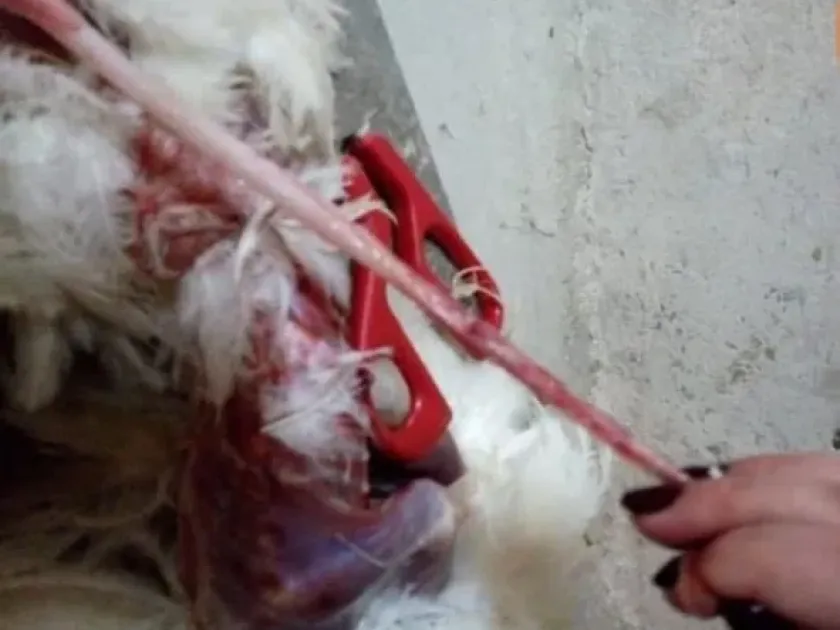
Description
Symptoms
Clinical signs of pasteurellosis caused by this pathogen often present as chronic respiratory issues that may go undetected in the early stages of infection.
Infected birds exhibit serous or mucous nasal discharge, which may eventually thicken and develop an unpleasant, putrid odor over time.
Respiratory distress is a primary symptom, characterized by rattling sounds, wheezing, and the bird keeping its beak open to facilitate breathing.
Affected birds typically show signs of lethargy, reduced appetite, and progressive weight loss, leading to a significant drop in productivity for egg-laying flocks.
In advanced cases, swelling of the eyelids, conjunctivitis, and accumulation of exudate in the infraorbital sinuses may lead to visible facial deformities.
Pathogen
The causative agent of the disease is the bacterium Pasteurella gallinarum, a gram-negative, non-motile microorganism belonging to the Pasteurellaceae family. This species is an opportunistic pathogen often found on the mucous membranes of the upper respiratory tract in healthy birds.
While Pasteurella gallinarum is less virulent than Pasteurella multocida, it can trigger secondary respiratory infections when the bird's immune system is compromised or stressed.
The bacterium is sensitive to environmental factors such as direct sunlight, high temperatures, and standard disinfectants commonly used in poultry facilities.
Transmission occurs horizontally through direct contact between birds, contaminated equipment, litter, or water, where the pathogen can survive for a limited period.
The bacteria colonize the respiratory epithelium, taking advantage of weakened local defenses to multiply and cause inflammation in the nasal passages and lungs.
Conditions for development
Disease development is frequently triggered by poor management practices, such as overcrowding, which increases the concentration of pathogens in the air and facilitates rapid transmission.
Inadequate ventilation in poultry houses leads to ammonia buildup and high humidity, which irritates the respiratory mucosa and impairs its protective function.
Environmental stressors, including sudden temperature fluctuations and drafts, are critical factors that suppress the immune status of the flock and enable bacterial invasion.
Nutritional deficiencies, particularly a lack of vitamin A, weaken the respiratory tract's resistance, making birds more susceptible to colonization by Pasteurella gallinarum.
The presence of concurrent respiratory diseases, such as mycoplasmosis or viral infections, complicates the clinical course and increases the severity of the pasteurellosis infection.
Why it matters
The harmful impact of the infection includes slowed growth rates in young birds, leading to uneven flock development and significant economic losses for producers.
Pasteurellosis causes a decline in egg production and reduces eggshell quality, which directly affects the profitability of commercial layer operations.
Persistent infections require prolonged treatment and increased veterinary costs, adding to the total operational expenses of the farm.
If not managed correctly, the disease can spread rapidly within the flock, leading to increased mortality rates and the need for rigorous culling of sick birds.
Indirect harm is associated with the disruption of production cycles, the necessity for mandatory quarantine, and the cost of deep cleaning and disinfection procedures.
Protection
Effective control strategies rely on strict biosecurity measures, including regular cleaning and disinfection of premises, tools, and feeding equipment.
Maintaining an optimal microclimate, including proper ventilation and humidity control, is essential for ensuring bird health and preventing bacterial proliferation.
- Providing balanced nutrition supplemented with essential vitamins.
- Prompt isolation and removal of birds showing respiratory symptoms.
- Regular sanitization of waterers and feed dispensers to prevent contamination.
- Use of targeted antibiotic therapy under veterinary supervision for severe outbreaks.
Vaccination programs are effective tools in regions with a high incidence of pasteurellosis to stimulate immunity and reduce the impact of the disease.
Controlling access to the poultry house by preventing contact with wild birds and rodents is a crucial step in preventing the introduction of the pathogen.
Discussion
No discussions yet — be the first.