

Treflan 480
Доу АгроСайенсіс С.А.С., Друзенхайм, Франція
Herbicides
3
2
·
4.1K
3 offers
9.08 €per pack
Buy
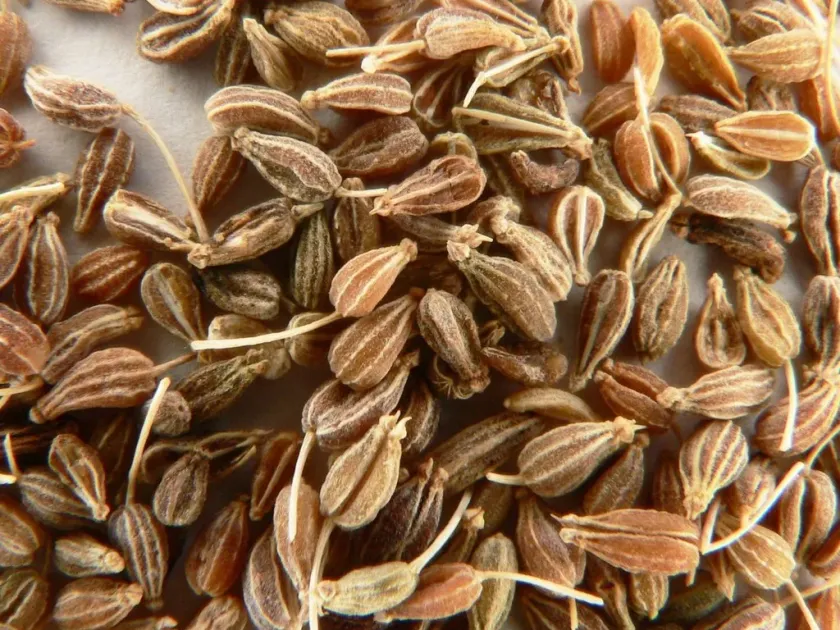
Anise (Pimpinella anisum L.) is an annual herbaceous plant belonging to the Apiaceae family. Sowing is typically conducted in early spring as soon as the soil temperature reaches 6–8 °C, ensuring the seeds take advantage of residual winter soil moisture for optimal germination.
The seeds should be sown at a depth of 2–3 cm, as they are small and possess limited energy reserves. Precise depth control is essential to ensure uniform emergence, which is a critical factor for the uniform development of the crop throughout the growing season.
Row cropping is the standard method for large-scale production, with row spacing generally ranging from 30 to 45 cm. This configuration facilitates mechanical weeding and inter-row cultivation, which are vital for reducing weed competition during the early growth stages.
The seeding rate varies between 10 and 15 kg/ha, depending on the seed quality and soil preparation. High-germination seeds are recommended to ensure a sufficient stand density, which is the foundation for achieving high potential yields.
Early sowing is beneficial as it allows the plants to establish a robust root system and foliage canopy before the onset of extreme summer heat. This early development significantly improves the plant's resilience against seasonal weather fluctuations.
Anise is a thermophilic crop that requires substantial heat and sunlight to complete its life cycle. It is best suited to regions with long, warm growing seasons, requiring an accumulated active temperature sum of at least 2000–2300 °C for full maturation.
The plant thrives in fertile, well-draining soils such as chernozem or sandy loams. Heavy, waterlogged soils must be avoided, as the root system is highly susceptible to rot under conditions of poor soil aeration and excessive moisture.
Anise requires moderate moisture levels. While consistent moisture is needed during vegetative growth, excessive rainfall during flowering can negatively affect fertilization and seed development, potentially increasing the risk of fungal infections.
Crop rotation is crucial in anise production. It is recommended to grow anise after winter cereals or row crops to break pest and disease cycles. It should not be returned to the same plot for at least 3–4 years to maintain soil health and productivity.
Nutrient management focuses on phosphorus and potassium application, which are essential for fruit development and the synthesis of essential oils. Proper nutrient availability directly correlates to both the yield and the quality of the harvested essential oils.
Average yield for anise ranges from 0.6 to 1.2 metric tons per hectare under standard agricultural conditions. These figures fluctuate depending on the soil fertility, weather patterns during the growing season, and the efficacy of crop protection strategies.
Maximizing yield potential requires a high level of agronomic precision, including effective weed management and supplementary irrigation if rainfall is insufficient. Proper management of the crop canopy can lead to higher productivity per hectare.
The economic value of anise is heavily influenced by the essential oil content, specifically anethole. Producers often aim for high-quality standards to satisfy the requirements of the food, beverage, and pharmaceutical industries.
The timing of the harvest is a significant factor in total yield. Since anise seeds are prone to shattering as they mature, monitoring the development of the primary and secondary umbels is necessary to initiate harvest at the optimal maturity stage.
Post-harvest handling is critical. Rapid drying and efficient cleaning processes ensure the product reaches the target moisture levels of 12–14%, preventing spoilage and maintaining the integrity of the essential oil profile for market delivery.
Fungal diseases, particularly rust and powdery mildew, represent the most significant threats to anise crops. These diseases thrive in humid environments and can rapidly spread, leading to severe defoliation and a reduction in overall seed mass.
Pests such as aphids and the anise moth are common concerns. The anise moth is particularly damaging, as its larvae feed on the developing seeds within the umbels, which can lead to significant direct losses in harvestable yield.
Integrated pest management (IPM) is essential for anise, given its role as a honey plant. Growers are encouraged to use mechanical and cultural methods, such as clearing crop residues and maintaining spatial isolation, to minimize reliance on chemical treatments.
If chemical intervention is necessary, timing is of the essence to avoid harming beneficial pollinator insects. The selection of pesticides must adhere strictly to local regulations and safety periods to ensure the safety of the harvested product for human consumption.
Consistent field monitoring and the use of insect traps are standard practices to detect early infestations. Early detection allows for targeted management actions, which is far more efficient than attempting to control an established epidemic across the entire field.
Anise harvest is typically conducted using a two-stage process. The crop is initially swathed when the seeds in the central umbels change from green to a brownish-green color, allowing for natural maturation while in the windrows.
Once the windrows have achieved the correct moisture content, they are threshed using specialized harvesting equipment. Precise settings for drum speed are required to prevent damage to the seeds, which can cause essential oil loss during storage.
Post-threshing, the material must be thoroughly cleaned to remove chaff, dust, and other debris. Cleanliness is a quality parameter for industry buyers, and it is usually achieved through stationary seed cleaning machinery at the storage facility.
Proper storage is essential to maintain the quality of the essential oils. The seeds must be stored in cool, dry, and well-ventilated areas, away from direct sunlight, which can catalyze the degradation of the volatile compounds that provide anise its flavor.
Quality control at the warehouse involves periodic testing of seed moisture and oil content. By ensuring these metrics remain within specified ranges, producers can command higher market prices and ensure the stability of the raw material for industrial processing.


