

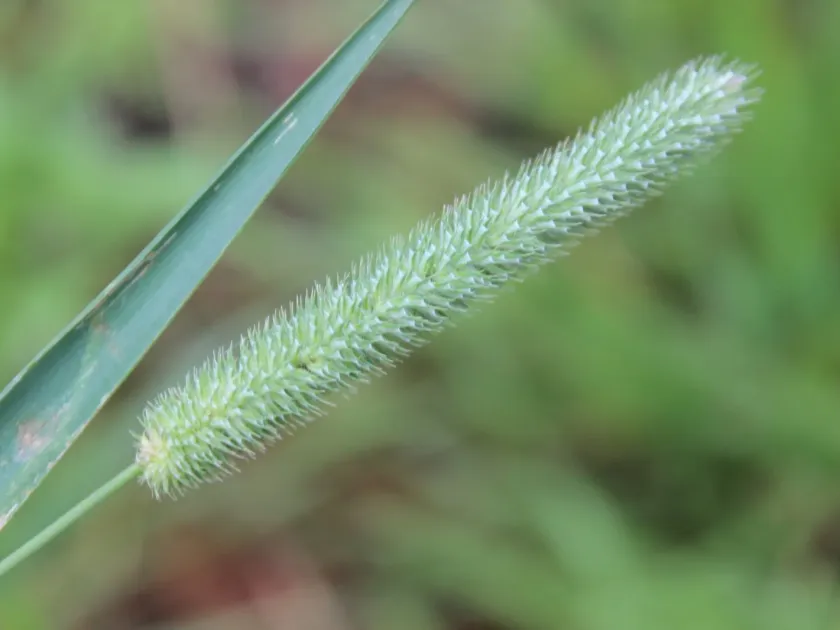
Description
Sowing dates
Timothy-grass is typically sown in early spring when the soil has sufficient moisture. Late autumn sowing is also possible on lighter soils, allowing for earlier germination when the temperature rises in the following spring.
The seeding rate ranges from 8 to 12 kg per hectare, with a sowing depth of no more than 1–2 cm. Due to the very small size of the seeds, the crop is sensitive to deep burial, requiring a well-leveled and firm seedbed.
In grass mixtures, Timothy is frequently paired with red clover to improve the nutritional profile of the forage. The ratio of the components depends on local soil conditions and the intended duration of the stand.
Timothy is a key component of permanent pastures due to its ability to recover quickly after grazing. With proper management, the stands can maintain high productivity for 5 to 7 years.
Rolling the soil before and after sowing is recommended to ensure good seed-to-soil contact and consistent moisture distribution, which is critical for uniform establishment.
Growing requirements
Belonging to the Poaceae family, Timothy-grass is one of the most winter-hardy perennial grasses. It is well-adapted to harsh climates and can withstand significant temperature fluctuations, making it popular in northern regions.
The crop is highly moisture-demanding and thrives on floodplain meadows and loamy soils with good water retention. It can tolerate short-term flooding for 20–30 days without significant damage to the root system.
Timothy prefers fertile soils rich in organic matter with a neutral or slightly acidic pH. Productivity declines significantly on sandy soils unless supplemental irrigation is provided.
Adequate nitrogen fertilization is essential for growth and biomass production. Applying fertilizers in early spring and after each cut significantly boosts yield and quality.
While the crop is environmentally resilient, it performs poorly under prolonged drought conditions. In arid regions, commercial cultivation is only viable on irrigated lands.
Yield
Under optimal conditions, dry matter yield of Timothy-grass can reach 60–80 quintals per hectare. In favorable years with consistent rainfall, these yields can be even higher.
The maximum productivity of the crop is usually reached in the second or third year. During this time, the root system is fully established, enabling efficient uptake of nutrients from the deeper soil layers.
Harvesting for hay should ideally occur at the booting or early flowering stage. This phase provides the best balance between biomass weight and nutritional quality for livestock.
The number of cuts per season depends on the climatic zone. In temperate regions, it is standard to achieve two full cuts followed by regrowth that can be used for grazing.
Seed productivity is sensitive to the timing of the harvest. It is crucial to monitor the spikes to prevent excessive seed shattering, which can lead to significant harvest losses.
Main diseases and pests
Timothy-grass can be affected by diseases such as rust, septoria leaf spot, and powdery mildew. These pathogens can lower forage quality and lead to a reduction in stand density over time.
Insect pests that can cause damage include various weevils that affect the root system and plant vigor. Monitoring for these pests is essential to prevent localized damage.
While insects like the cabbage butterfly or sorrel seed chalcid are not primary threats, good field sanitation is necessary to prevent them from using the grass as a secondary host.
Meadow moths and various weevil species may become problematic during dry seasons. Management strategies include regular monitoring and the use of approved insecticides when economic thresholds are reached.
Preventive measures include crop rotation, balanced phosphorus-potassium fertilization to strengthen plant immunity, and timely mowing to interrupt the life cycles of insect pests.
Harvesting
Timothy-grass is primarily grown for high-quality hay, haylage, and pasture. It is highly valued for its palatability and nutritional profile for all types of livestock.
Harvesting for hay begins when the plant starts to head. At this stage, the plant has stored maximum amounts of protein and soluble sugars, making the feed highly digestible for cattle.
To produce high-quality hay, rapid drying of the cut biomass is necessary to preserve its green color and overall biological value. Modern techniques often involve mechanical conditioning and forced aeration.
If the crop is intended for seed production, harvest is delayed until the heads are fully mature. Direct combining is commonly used, with adjustments made to reduce losses due to grain shattering.
The regrowth (aftermath) allows for efficient use as pasture until late autumn. Timothy-grass handles grazing well, provided that the stocking rate is managed to prevent damage to the soil structure.
In brief
14
Crop pests
Content graph
Crop pests · 14
Content graph
Connections · Timothy-grass
Most often together:
Marketplace
Products · 18


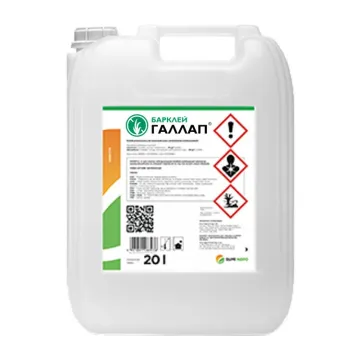
Barkley Gallap 360
рклей Кемікаоз Лтд, м.Дублін Ірландія
Herbicides
0
0
·
921
2 offers
8.21 €per 1 l
Buy


Triton
Три Дельта Компані Інтернешнл, Гонконг, Китай.
Herbicides
0
0
·
66
1 offer
6.75 €per pack
Buy


AGROTEX, RK (2-methyl-4-chlorophenoxyacetic acid in the form of dimethyl
Nufarm
Herbicides
0
0
·
25
No offers
—
Details