

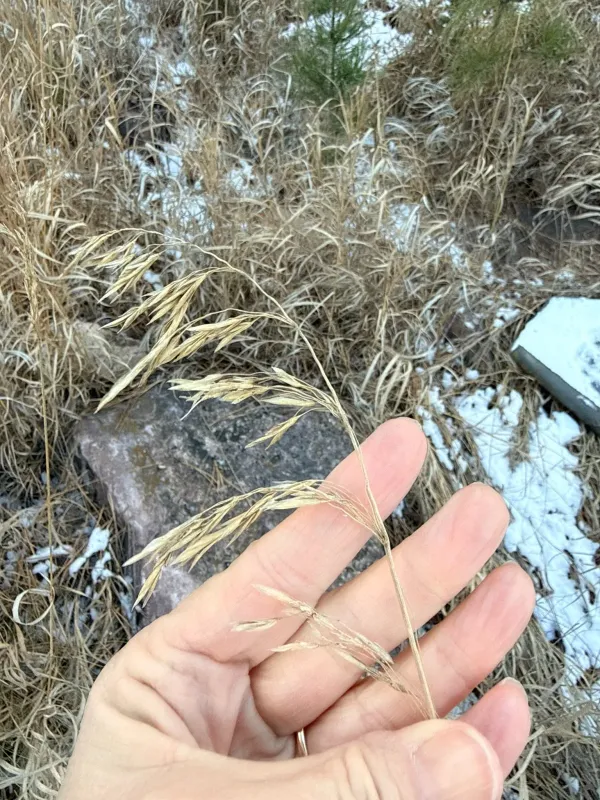
Description
Sowing dates
Smooth brome (Bromus inermis) is a vigorous, rhizomatous perennial grass belonging to the Poaceae family. It is best sown in early spring to take advantage of soil moisture, which is critical for successful establishment.
Late summer planting is also common in regions with sufficient moisture. This method allows the grass to establish a robust root system before the onset of winter dormancy.
The recommended seeding rate is typically between 10 and 15 kilograms per hectare. When planting for permanent pasture, some growers slightly increase the rate to ensure a dense ground cover.
Seedbed preparation is vital. The soil should be firm and free of debris, as smooth brome seeds require a shallow placement, usually 1 to 2 centimeters deep, to emerge efficiently.
Using a drill seeder with press wheels is the preferred method for planting. This ensures proper seed-to-soil contact, which is essential for uniform germination across the field.
Growing requirements
Smooth brome is highly adaptable but thrives best in fertile, well-drained loamy soils. It has a broad tolerance range, performing well in various soil textures including silty clays.
This grass is famous for its exceptional cold hardiness and drought tolerance. Its deep, creeping rhizomes allow it to survive harsh winters and prolonged dry spells that would kill many other species.
While it prefers neutral soil, it can tolerate a pH range between 6.0 and 8.0. Highly acidic or extremely alkaline soils will inhibit root development and overall productivity.
It has a unique ability to withstand periods of flooding, making it a valuable species for riparian areas and flood-prone meadows where other grasses would succumb to rot.
The plant is highly responsive to nitrogen fertilization. For maximum yield, nitrogen should be applied in the early spring and after each harvest to stimulate vigorous regrowth.
Yield
Smooth brome is a staple for hay and pasture, capable of producing significant biomass. Yields of dry matter typically range from 5 to 10 tonnes per hectare per year under good management.
It is excellent for multiple hay cuts. The forage quality remains high as long as it is harvested before the plants reach the seed-forming stage, which reduces palatability.
Seed production is a specialized aspect of brome cultivation. High-quality seed stands can produce 400 to 800 kg per hectare when managed specifically for grain harvest.
The productivity of a brome stand peaks during the second to fifth years after planting. Proper grazing management is essential to prevent the stand from becoming "sod-bound."
If the stand becomes unproductive or too thick, light disking or harrowing is recommended to break up the sod, which reinvigorates the rhizomes and improves nutrient uptake.
Main diseases and pests
Smut is one of the most common diseases affecting the seed heads of smooth brome. It can significantly reduce seed yield if not managed through proper field sanitation.
Leaf spot diseases and rusts can develop in humid and warm climates. These fungal infections cause leaf discoloration and can reduce the overall nutritional value of the forage.
Common pests include grasshoppers and armyworms, which can cause severe defoliation during peak summer months. Regular scouting is necessary to prevent extensive damage.
In some regions, mites can infest the seed heads, causing distorted growth. This primarily affects seed production stands rather than hay fields.
Implementing a proper crop rotation and maintaining good field hygiene are the primary ways to limit the prevalence of these diseases and pests in brome fields.
Harvesting
For high-quality hay, smooth brome should be harvested at the late boot to early heading stage. Harvesting at this time balances quantity with high protein content.
When producing silage, the crop is typically cut slightly earlier. This ensures that the material is soft and easily digestible for livestock after fermentation.
For seed production, harvesting must be precise. Because the seed shatters easily when mature, harvesting should occur when the heads turn a straw color but before full senescence.
Maintaining a stubble height of at least 8 to 10 centimeters after mowing or grazing is critical. This encourages rapid recovery and ensures the plant survives the winter.
Proper curing of the hay is essential. Brome forage dries relatively quickly, but turning the windrows ensures that moisture content reaches safe levels for baling and storage.
Content graph
Connections · Smooth brome
Most often together:
Marketplace
Products · 12


AGROTEX, RK (2-methyl-4-chlorophenoxyacetic acid in the form of dimethyl
Nufarm
Herbicides
0
0
·
25
No offers
—
Details