
Great brome
Bromus diandrus Roth var. rigidus (Roth) Sales
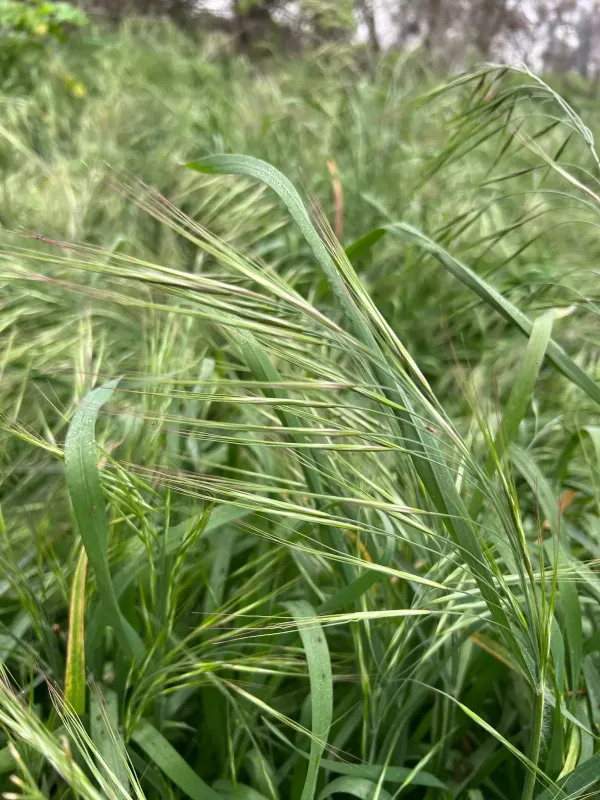
Description
Sowing dates
Great brome is an annual grass species that typically propagates through seeds during the late spring and early summer seasons.
For agricultural purposes, sowing is usually conducted in autumn to ensure the root system is well-established before the onset of winter.
Seed depth should be carefully managed, ideally between 2 and 3 centimeters to ensure optimal soil contact and germination rates.
Seeding density varies significantly depending on the intended use, such as pasture reinforcement or cover cropping strategies.
Proper spatial management is essential as the species is known for its rapid colonization and high seed dispersal capacity.
Growing requirements
Belonging to the Poaceae family, this grass shows strong adaptability across various environmental and soil conditions.
It thrives in well-drained, light-textured soils and requires high exposure to sunlight for maximum biomass production.
While tolerant of moderate drought, the plant performs best when moisture levels remain consistent during the critical growth phases.
The species prefers neutral to slightly acidic pH levels and can survive in poor nutrient conditions with minimal inputs.
Application of nitrogen-based fertilizers in early spring significantly boosts the overall vegetative yield of the stand.
Main diseases and pests
Rust fungi are common pathogens affecting this species, particularly when high humidity creates favorable conditions for spores.
Powdery mildew may also occur, often associated with high planting density and limited air circulation within the canopy.
Key insect pests include cereal aphids and various grass-specific flies that damage the foliage and developing seeds.
Rodents can cause substantial losses by consuming both seeds and young shoots during the early stages of vegetation.
Integrated pest management strategies focusing on rotation and early identification are crucial for successful crop protection.
Harvesting
Harvesting for fodder should ideally occur before the onset of flowering to prevent the hardening of awns and stems.
When harvesting for seed production, timing is critical to minimize losses due to natural grain shattering and dispersal.
Careful operation of harvesting machinery is necessary to maintain the physical integrity of the plant material during collection.
Post-harvest conditioning includes thorough drying to maintain seed viability and prevent spoilage in storage containers.
Storage facilities must be well-ventilated and protected from environmental moisture to preserve the quality of the harvested product.