
Szechuan fir
Abies sutschuenensis
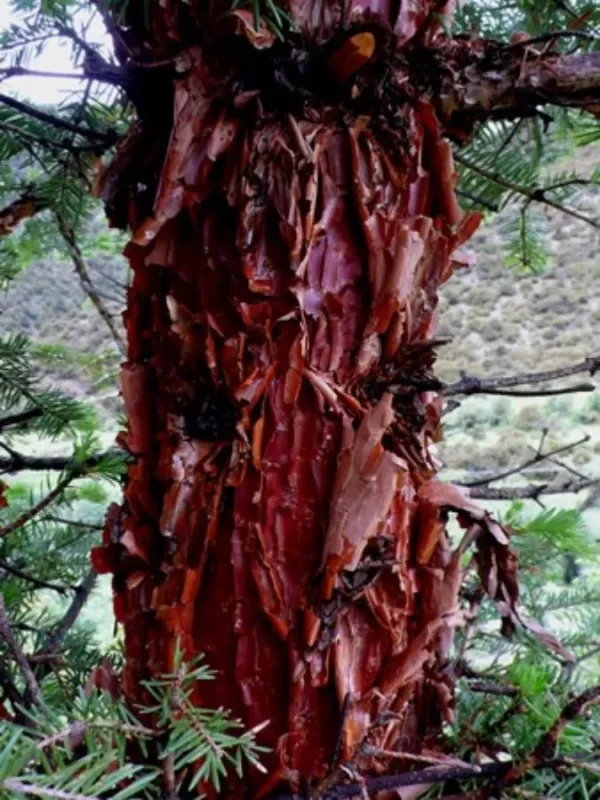
Description
Growing requirements
The Szechuan fir, a member of the Pinaceae family, is a native conifer species found in the high-altitude mountainous regions of China. It thrives in cool, humid environments with consistent rainfall throughout the year.
To successfully cultivate this species, it is essential to provide deep, well-draining soils with a slightly acidic to neutral pH level. Waterlogging is detrimental to the tree's health, making proper soil drainage a critical factor for long-term survival.
In terms of light exposure, young specimens require partial shade to protect them from intense direct sunlight. As the tree matures, it develops better tolerance, but it still prefers sites protected from harsh, drying winds.
Agronomic practices for this species focus on maintaining soil moisture and providing adequate mulching around the base. Because the Szechuan fir is a slow-growing tree, patience and consistent care are necessary during the early establishment phase.
The plant demonstrates a preference for locations with high air humidity, mirroring its natural alpine habitat. Supplemental irrigation may be required in regions where precipitation levels drop significantly during the summer months.
Main diseases and pests
The Szechuan fir is susceptible to various fungal pathogens, particularly those that target the needles and bark during periods of high humidity. Regular inspection is vital to identify early symptoms of fungal outbreaks.
Pests such as aphids and scale insects are common threats to this species, as they can cause significant damage to the sap and structural integrity of the young growth. Integrated pest management strategies are recommended.
Stem-boring beetles present a major risk to older trees, especially those that are already weakened by environmental stressors. Maintaining the overall vigor of the tree is the best natural defense against such infestations.
Proactive maintenance, including the removal of infected branches and clearing debris from the root zone, helps in preventing the spread of diseases. Chemical control should be implemented only when necessary and by professionals.
- Regular application of fungicide sprays for disease prevention
- Monitoring for signs of needle discoloration
- Ensuring proper spacing to facilitate air movement