
Kaz Dagi fir
Abies equi-trojani
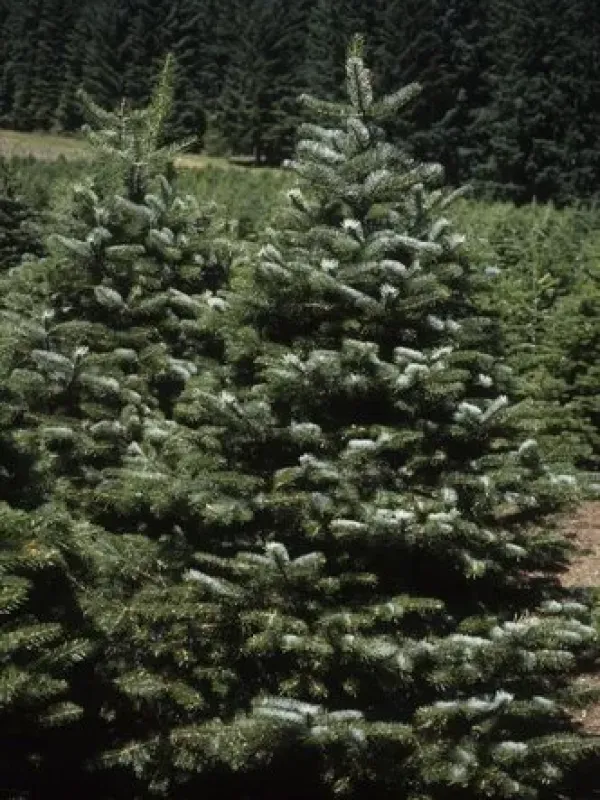
Description
Growing requirements
The Kaz Dagi fir (Abies equi-trojani), belonging to the Pinaceae family, is a distinct conifer species native to the Kaz Dagi mountains in northwestern Turkey. It is a large, evergreen tree characterized by its majestic appearance and symmetrical, pyramidal crown. This species serves as a significant botanical treasure within its natural mountain habitat.
Botanically, the tree is recognized by its dense, lustrous needles with prominent stomatal bands and upright, woody cones. Its bark is smooth and greyish in youth, developing deep fissures as the tree matures. This fir is closely related to other Mediterranean fir species but shows unique adaptive traits that allow it to thrive in its specific high-altitude environment.
For successful cultivation, the Kaz Dagi fir requires deep, well-drained, and nutrient-rich soils. It thrives in locations with consistent moisture but demands excellent aeration, as it is highly susceptible to root rot in waterlogged or heavy clay environments. Neutral to slightly acidic soil conditions are ideal for its long-term development.
The species prefers a cool, humid climate with regular precipitation. While it can withstand periods of dry weather once established, supplemental irrigation during extreme summer heat is highly recommended in landscaping settings. It is generally hardy, but young trees may require protection from harsh, drying winds in exposed locations.
Agrotechnical maintenance focuses on maintaining soil health and preventing competition from weeds. Mulching around the root zone helps regulate soil temperature and moisture retention. Periodic feeding with specialized conifer fertilizers in early spring supports healthy needle growth and overall tree vigor throughout the growing season.
Main diseases and pests
The main threats to the Kaz Dagi fir include fungal infections such as needle cast and various rust diseases, which thrive in stagnant, humid air. Proper planting spacing and pruning to improve air circulation are essential preventive measures to maintain the health of the canopy.
Pest pressures primarily include aphids and bark beetles. Careful monitoring is necessary to catch infestations early, particularly during warm and dry periods when the tree's natural resistance may be temporarily compromised. If detected, application of horticultural oils or targeted insecticides is usually effective.